US tariffs: Former IMF Chief Economist Gita says consumers face higher costs, trade and manufacturing see no gains
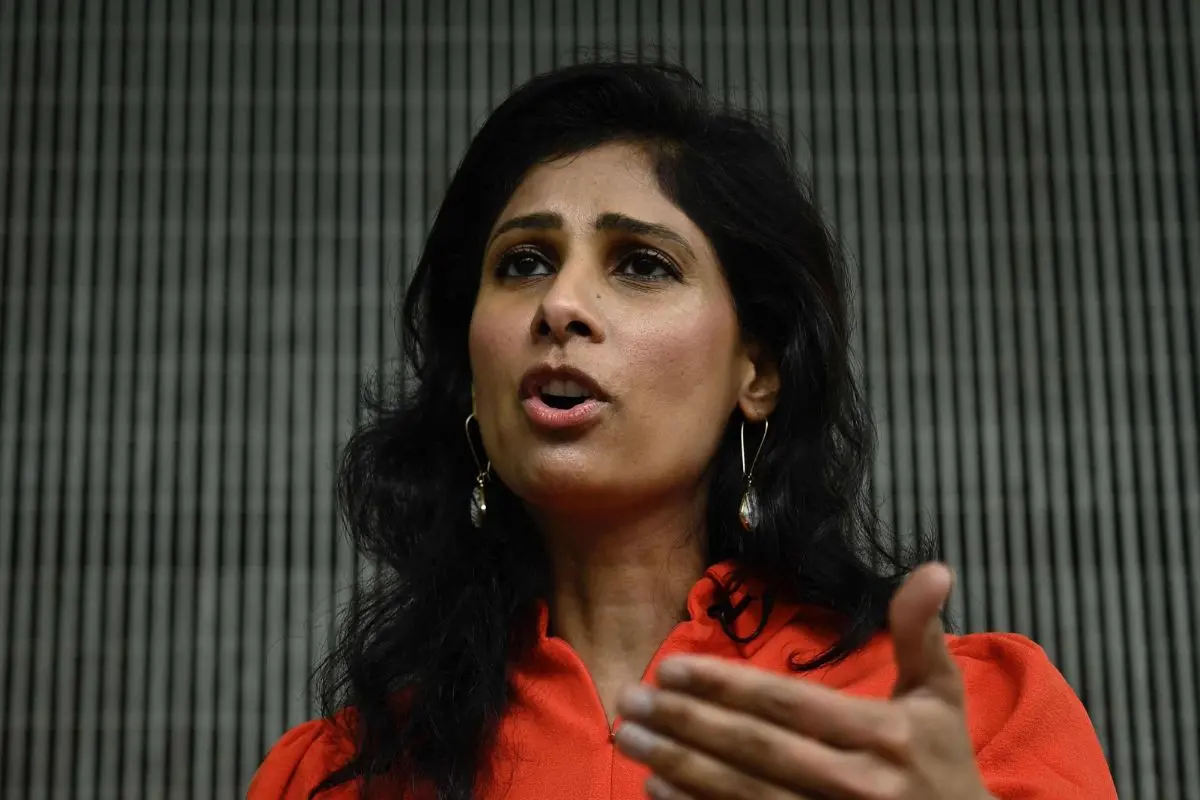
Washington: Former IMF Chief Economist Gita Gopinath has said that six months after the implementation of the so-called "Liberation Day" tariffs, the United States has seen limited benefits. According to Gopinath, the measures have largely burdened domestic firms and consumers.
In a post on X, she said the tariffs have substantially increased government revenue but have effectively served as a tax on US companies and consumers. "Raise revenue for the government? Yes. Quite substantially. Borne almost entirely by US firms and passed on some to US consumers," Gopinath noted.
Higher prices for household items and consumer goods
Gopinath also pointed out that the tariffs have contributed to higher prices. "Raise inflation? Yes, by small amounts overall. More substantially for household appliances, furniture, coffee," she said, suggesting that the duties have pushed up costs in several consumer categories.
No improvement in trade balance or manufacturing
Despite these effects, she stated that there is "no sign yet" of improvement in either the US trade balance or manufacturing sector, two key objectives the tariffs were expected to support. Summing up her assessment, Gopinath said the overall "score card is negative," indicating the policy has so far failed to deliver on its broader economic promises while adding to inflationary pressures and costs for American businesses.
Trump’s tariff measures on India
US President Donald Trump imposed a 25 per cent tariff on India in July and later a 25 per cent secondary tariff, which came into effect on August 27. On September 26, Trump also announced that his administration will impose a 100 per cent tariff on branded and patented pharmaceutical products beginning October 1, 2025, unless the manufacturing companies establish production facilities in the United States.
India’s economic outlook remains robust
Despite these developments, the World Bank has projected that India is expected to remain the world's fastest-growing major economy, driven by strong consumption, improved farm output, and rising rural wages, according to the latest South Asia Development Update.