UPI charges from October 15: RBI backs new MDR on payments above Rs 2,000; here’s what changes
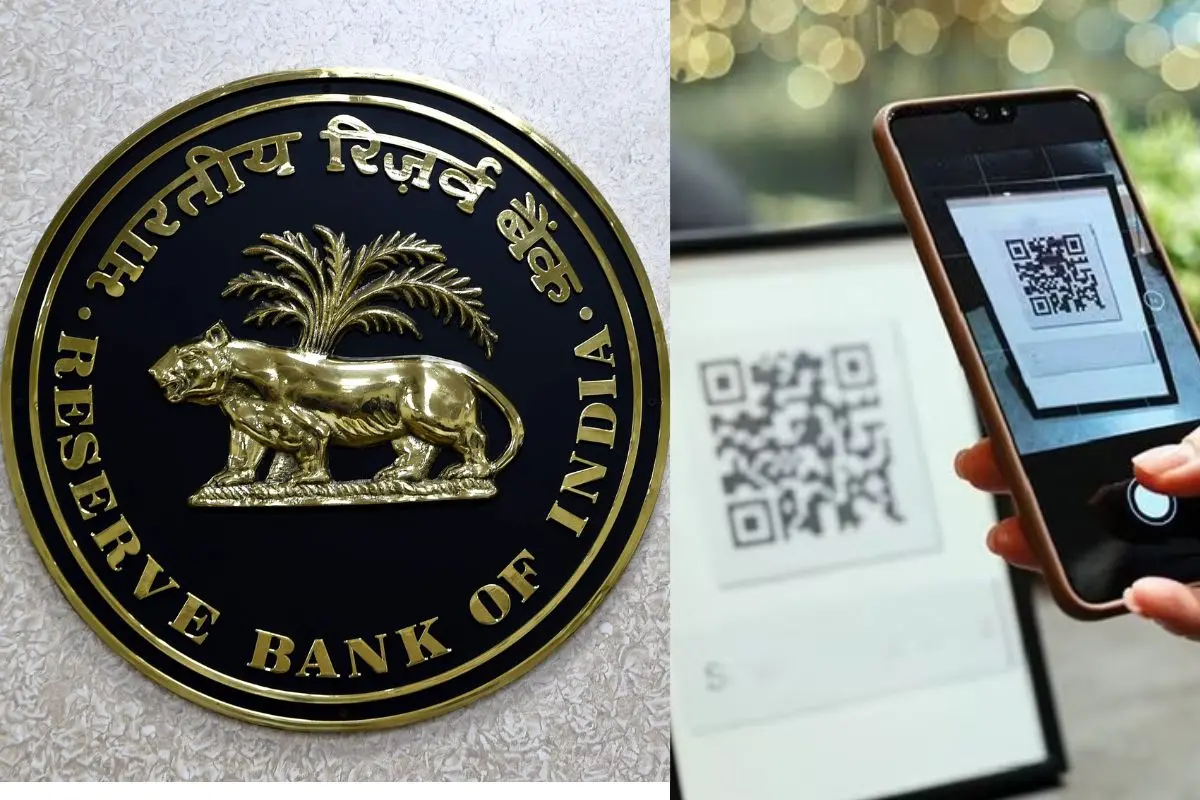
The Reserve Bank of India has backed the introduction of Merchant Discount Rate (MDR) on certain high-value UPI payments, calling the move an important step towards keeping India's digital payments system financially sustainable.
The new UPI charges will apply from October 15 to Person-to-Merchant (P2M) transactions above Rs 2,000. However, the change does not mean customers will start paying a fee every time they use UPI.
The RBI clarified that both person-to-person payments and UPI payments of up to Rs 2,000 to merchants will remain free for users. The MDR is a charge within the merchant payment ecosystem rather than a direct fee imposed on customers.
The central bank said a fair distribution of MDR among banks, payment service providers and other participants would help fund continued investment in technology, infrastructure and payment acceptance networks.
What RBI said about the new UPI rules
Responding to the introduction of the new UPI transaction charges, the RBI said the MDR framework would help UPI continue to expand, innovate and serve consumers and businesses across the country.
According to the central bank, a sustainable payment ecosystem could support wider UPI acceptance, bring more customers and merchants onto the platform and help transaction volumes continue to grow.
The RBI also reiterated that UPI should remain safe, seamless, affordable and accessible while developing a financially sustainable ecosystem.
The revised framework takes effect on October 15.
Will customers have to pay UPI charges?
For everyday UPI users, the answer remains NO.
The government has made it clear that customers will not be required to pay MDR when making these payments through UPI. Person-to-person UPI transactions will remain free, while P2M transactions below Rs 2,000 will also continue without MDR.
This means sending money to a friend or family member will not attract the new charge. Small-value purchases from merchants will also remain outside the MDR framework.
The new UPI payment rules instead target selected merchant transactions above the Rs 2,000 threshold.
What is MDR on UPI?
MDR, or Merchant Discount Rate, is a fee within the payment ecosystem associated with processing a merchant transaction.
Under the new framework, a 0.4 per cent MDR will apply to specified P2M UPI transactions above Rs 2,000. The charge is shared within the payment ecosystem rather than being collected as a direct fee from the customer.
The framework also provides a cap of Rs 300 for transactions of Rs 75,000 and above, according to the government and NPCI framework.
For certain essential and thin-margin sectors, including railways, telecommunications, insurance and fuel, transactions above Rs 2,000 will instead attract a flat MDR of Rs 5.
Why is the RBI supporting the move?
UPI has grown from a relatively new digital payment system into a central part of India's payments landscape.
The value of UPI transactions rose from Rs 0.07 lakh crore in FY17 to around Rs 314 lakh crore in FY26, according to the figures cited in the announcement.
The RBI said the new MDR structure could provide the payment ecosystem with resources to keep investing in technology, infrastructure and acceptance networks.
The aim, according to the central bank, is to allow UPI to continue scaling while maintaining the affordability and convenience that have driven its widespread use.
UPI's growing footprint
Since its launch on August 25, 2016, UPI has reshaped India's digital payments market, with transaction value increasing more than 4,000-fold between FY17 and FY26, based on the figures cited in the announcement.
UPI is now accepted in 11 countries. The list includes Singapore, the UAE, France, Mauritius, Nepal, Bhutan, Qatar, Sri Lanka, Cambodia, Greece and Uzbekistan.
The platform is operated by the National Payments Corporation of India (NPCI), an initiative of the RBI and the Indian Banks' Association.
With PTI inputs