Union Budget 2026 puts Kerala on national map for turtle trails
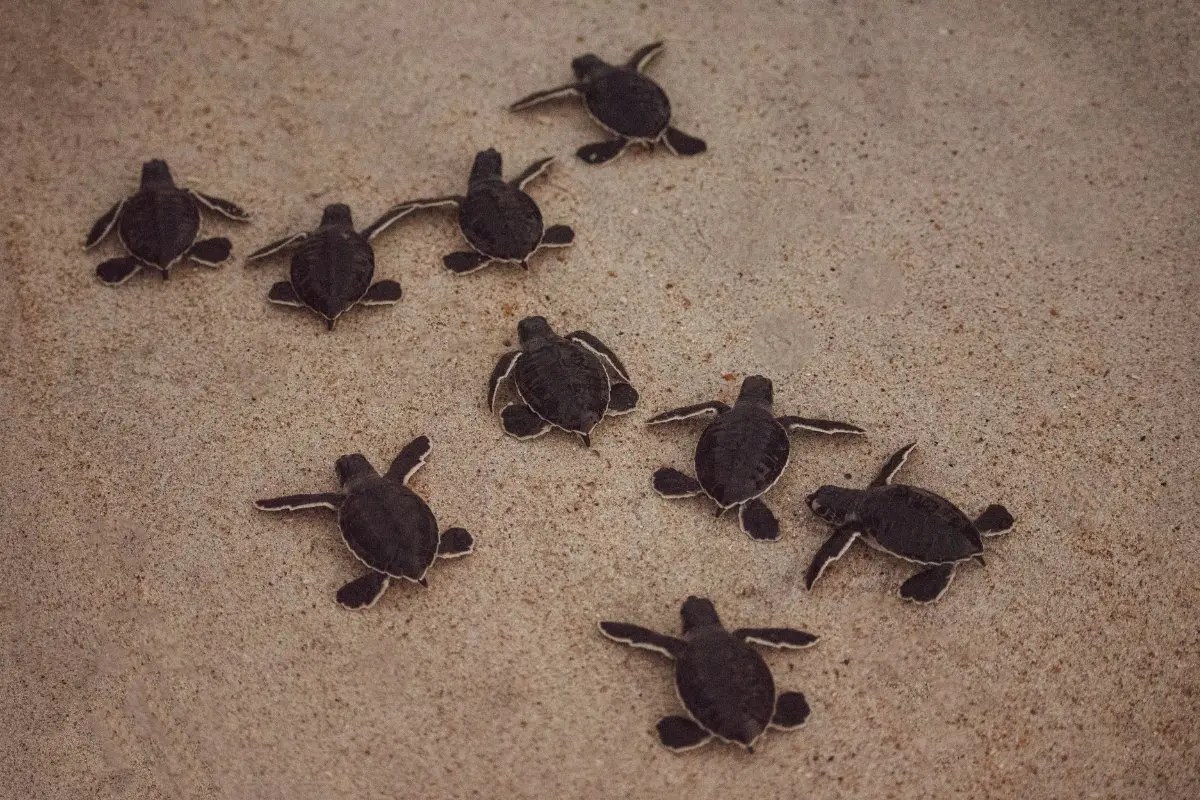
The Union Budget 2026, presented on Sunday, has proposed the creation of turtle trails along Kerala’s coast, positioning the state within a broader plan to expand ecologically sustainable tourism across India.
Announcing the initiative, the Finance Minister said, “India has the potential and opportunity to offer world-class trekking and hiking experience. We will develop ecologically sustainable (i) Mountain trails in Himachal Pradesh, Uttarakhand and Jammu and Kashmir; Araku Valley in the Eastern Ghats and Podhigai Malai in the Western Ghats. (ii) Turtle Trails along key nesting sites in the coastal areas of Odisha, Karnataka and Kerala; and (iii) Bird watching trails along the Pulikat lake in Andhra Pradesh and Tamil Nadu.”
What turtle trails are designed to do
“Turtle trails” commonly describe the visible tracks turtles leave on sand or mud as they move between nesting areas and the sea, marked by claw impressions and a wide, paired gait. The term also covers migratory routes tracked by conservationists, educational nature trails, and eco-tourism initiatives that allow people to observe nesting turtles responsibly.
Experience from other states shows that turtle-focused tourism can support conservation. Odisha, home to a major share of India’s turtle population, already uses tourism-linked initiatives to protect nesting grounds. In some regions, “turtle festivals” have generated alternative livelihoods, encouraging communities to safeguard eggs rather than collect them. The proposed trails are expected to formalise such efforts through guided paths and eco-huts that minimise disturbance to nesting turtles.
Why Kerala has been included
Although turtle nesting along Kerala’s coast is relatively limited, the state has been identified as an important zone for monitoring and protecting vulnerable populations.
Kollam and Thiruvananthapuram (Trivandrum) districts are highlighted as significant areas for sea turtle activity, especially from December to March. Nesting recorded in these districts has led to recommendations that trawl fishers use Turtle Excluder Devices (TEDs) to prevent accidental capture.
Further north, Kuzhupilly Beach in Ernakulam district, on Vypeen Island, is known for its backwaters. While sea turtles are rarely seen in the Cochin backwaters, the area supports three terrapin species: Leith's softshell turtle (Nilssonia leithii), Indian black turtle (Melanochelys trijuga coronata), and Indian soft-shelled turtle (Lissemys punctata punctata).
Pressures on nesting along the Kerala coast
Several factors limit turtle nesting in Kerala. Nearly 70% of the coastline is lined with sea walls, creating physical barriers that restrict access to nesting beaches. Sand mining along the coast further reduces suitable habitats. There is also a broader regional trend of declining nesting intensity north of Kerala along the west coast, which is why mandatory TED use is concentrated in the southern districts of Thiruvananthapuram and Kollam.
Conservation with economic consequences
Sea turtles are central to maintaining balance in the marine ecosystem, but their protection also carries economic implications. The United States has previously imposed bans on wild-caught shrimp imports from India over concerns about turtle safety in fishing nets. Strengthening conservation through structured turtle trails and greater community awareness could reinforce India’s regulatory standing and support the fishing sector’s position in international trade.