Union Budget 2026: Are poll-bound states set for a promise push?
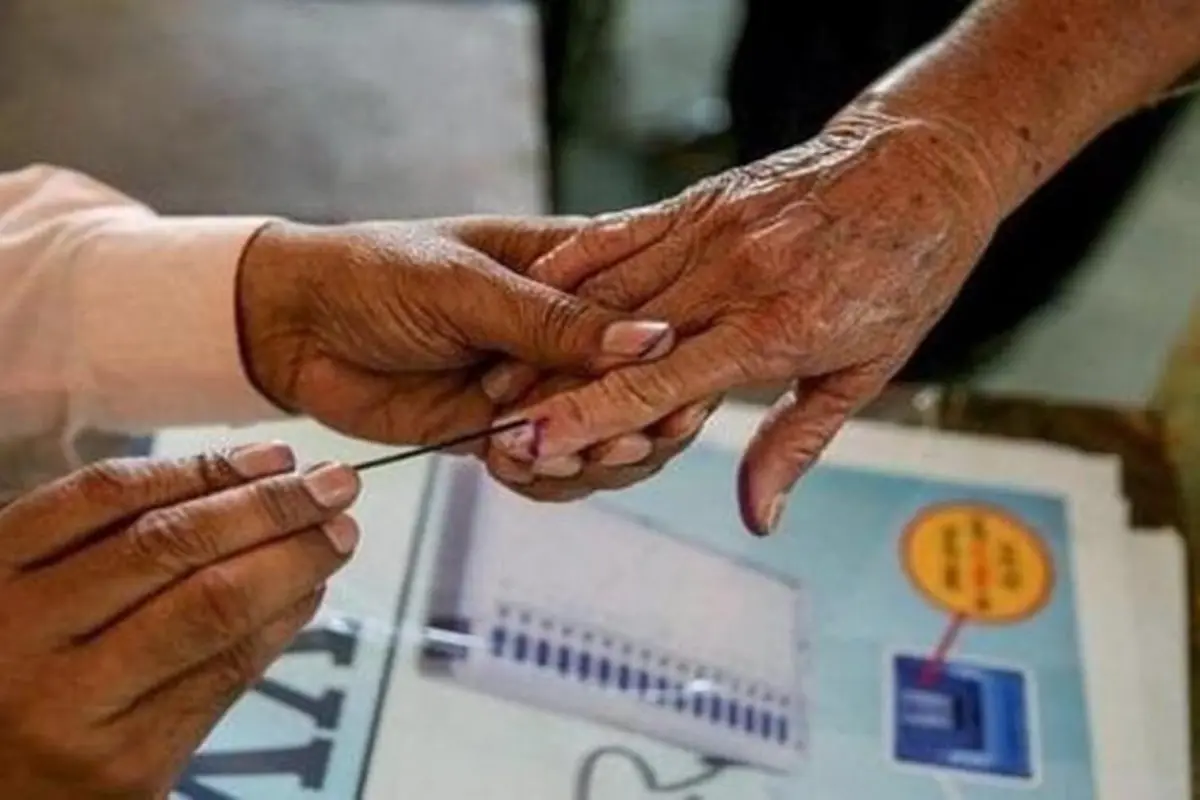
As India’s Union Budget for 2026–27 nears presentation—expected on February 1, 2026—debate is mounting over whether the Centre will roll out targeted promises or fiscal incentives for states going to polls in the coming months.
Analysts and commentators suggest that, while fiscal prudence remains a stated priority, political context may shape allocations and announcements.
The Political Backdrop
In 2026, key states including West Bengal, Tamil Nadu, Assam and Kerala are scheduled for assembly elections between March and May.
This timing situates the Budget right before poll campaigns escalate, raising expectations that the government might use fiscal tools to shore up support or signal responsiveness to regional demands.
Political analysts argue that Governments often leverage the Budget as a policy and electoral instrument, especially when polls are imminent.
Past budgets have shown practice of tailored enticements; for instance, Budget 2025 featured several announcements beneficial to Bihar, where assembly elections were looming later that year—such as support for agricultural infrastructure, greenfield airports, and institution building. These saw both political praise and accusations of poll-driven “sops.”
Fiscal Prudence vs. Populism
Despite political incentives, leading economic commentary cautions that prudence, not populism, will be the underlying theme of the 2026 Budget.
Experts highlight pressures on fiscal consolidation and the need to manage deficits, even as capital expenditure is earmarked for growth. This implies limited scope for broad welfare largesse devoid of economic justification.
The Centre’s reported pre-Budget thinking focuses on maintaining a fiscal deficit around 4.3–4.4 % of GDP, emphasising measured expansion in capital outlay rather than headline-grabbing handouts.
Poll-Bound States: Expectations and Realities
West Bengal and Tamil Nadu have vibrant political landscapes and strong regional identities. In West Bengal, expectations of intensified welfare programs in the lead-up to polls have already been stirred by the state’s own interim budget process—a “vote on account” designed to pre-authorize spending pending the full central Budget.
In Kerala, where fiscal constraints are tight due to high debt and social commitments, the scope for central incentives might translate into project-linked capital funding rather than direct populist measures.
Assam, with significant central assistance already flowing through flagship schemes, could see fine-tuning of allocations tied to regional priorities, such as job creation, irrigation, and rural development.
Historically, welfare commitments and subsidies have played a central role in state politics. Studies show that welfare schemes promised in key states have been expensive, with state exchequers bearing high ongoing costs. The blurred boundary between welfare and “freebies” has been a recurring theme in election debates.
Fiscal Space and Legal Constraints
One constraint on pre-election fiscal largesse is the model code of conduct that limits state expenditure changes once officially in force. Since the central Budget is tabled before this kicks in fully, the window for announcing state-specific measures is narrow and technical rather than broad and sweeping.
Additionally, many central transfers to states—such as tax devolution and tied grants—are formulaic and mandated, leaving less discretionary space for politically targeted items without a clear economic rationale.
Conclusion
Will the Union Budget feature a slew of promises for poll-bound states? The answer is likely nuanced. While the political calendar creates pressure to offer regionally meaningful commitments, fiscal constraints and overarching priorities of consolidation mean that any promises are more apt to be strategic and targeted rather than broad, populist giveaways.
Expect project-linked funding, infrastructure support, and scheme enhancements tailored to state needs, but not a wholesale shift to election-driven spending devoid of economic justification.