Union Budget 2026: Kerala misses out as govt unveils 7 high-speed rail routes
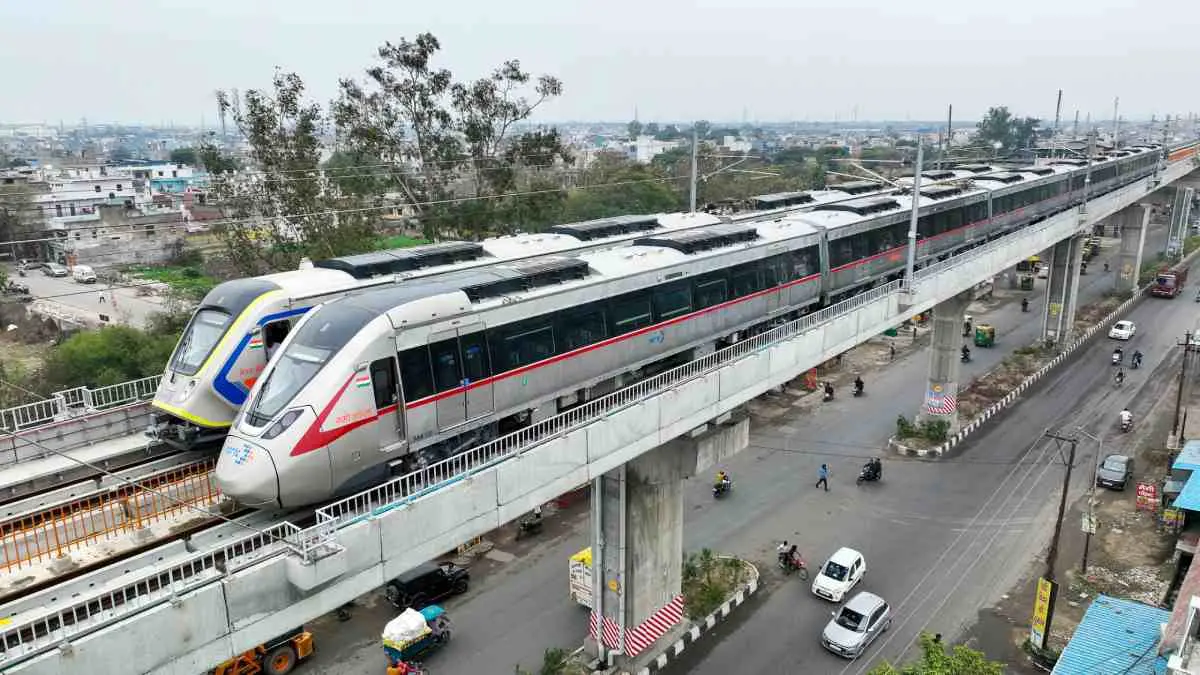
The Union government has unveiled plans for seven new high-speed rail corridors in the Budget 2026, signalling a major boost to the country’s bullet train network. Trains on these corridors will reach speeds of up to 350 km/h, matching the ongoing Mumbai–Ahmedabad high-speed rail project, and marking one of the country’s most ambitious efforts to transform intercity travel.
Key routes and southern expansion
The seven corridors are:
- Mumbai–Pune
- Pune–Hyderabad
- Hyderabad–Bengaluru
- Hyderabad–Chennai
- Bengaluru–Chennai
- Delhi–Varanasi
- Varanasi–Siliguri
These routes have been chosen to connect major economic and cultural hubs, with particular focus on improving connectivity in southern and eastern India. Cities such as Hyderabad, Bengaluru, and Chennai will benefit from faster links, while Hyderabad emerges as a key junction, connecting three corridors to Pune, Bengaluru, and Chennai.
Cutting travel time with modern infrastructure
The new high-speed rail network is expected to significantly reduce travel times, offering passengers a faster, more efficient alternative to conventional rail and air travel. The corridors will be built on the model of the Mumbai–Ahmedabad bullet train, using Japanese Shinkansen technology, featuring dedicated tracks, modern stations, and advanced safety systems to support high-speed operations.
Kerala misses out despite expectations
Kerala, however, did not receive a high-speed rail corridor in the budget, marking a setback for the state.
The announcement disappointed many who had anticipated a corridor for Kerala. Plans led by Metroman E. Sreedharan, which reportedly had central government backing, had raised hopes of high-speed rail expansion in the state. In contrast, other southern states such as Karnataka, Telangana, and Tamil Nadu are set to benefit, highlighting a regional disparity in the allocation of the new corridors.