UK dining plates likely to see more Indian shrimp and lobster – here’s why
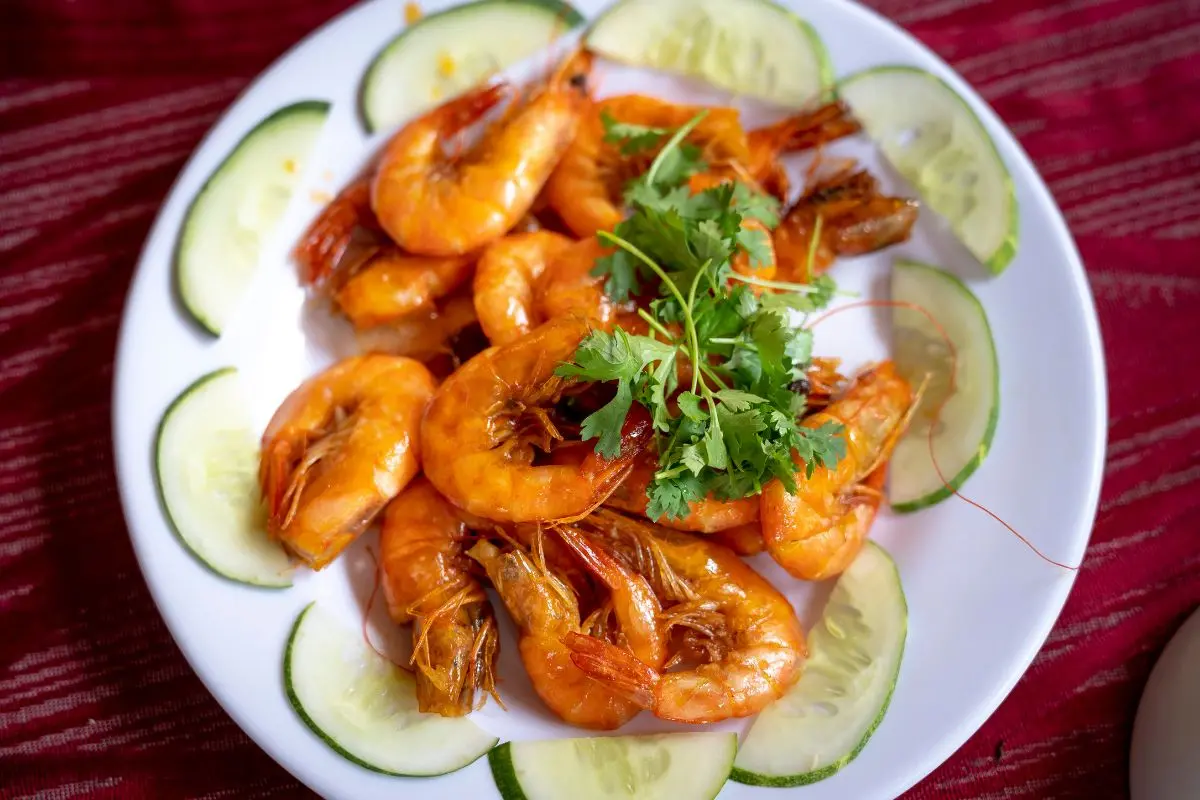
Kochi: The India–UK Comprehensive Economic and Trade Agreement (CETA) is expected to create major opportunities for India's seafood export sector, the Marine Products Export Development Authority (MPEDA) has said.
MPEDA chairman D.V. Swamy urged exporters to focus on value addition and workforce upskilling to fully leverage the agreement. The CETA pact, signed in July, grants zero-duty access to 99 per cent of tariff lines, enhancing the competitiveness of Indian seafood in the UK market.
Key categories such as Vannamei shrimp, frozen squid, lobsters, frozen pomfret, and black tiger shrimp are expected to benefit directly from the duty-free access.
During a two-day interaction with exporters, stakeholders explored the implications of the agreement. Presentations by Anil Kumar P., Joint Director, MPEDA, outlined the salient features of CETA, while Alex Paul Menon, Development Commissioner of the MPEZ-SEZ, highlighted the potential for Marine Aquapark SEZ development in Tamil Nadu.
Officials from the Department of Commerce, Export Inspection Agency (EIA), and Seafood Exporters Association of India (SEAI), along with over 90 exporters from Tamil Nadu, Andhra Pradesh, and Odisha, discussed market opportunities and operational strategies.
Rising exports and opportunities
India exported marine products worth $7.45 billion in 2024–25, led by shrimp, fish, and cuttlefish. Exports to the UK reached 16,082 MT valued at $104.43 million, with frozen shrimp accounting for 77 per cent of shipments and frozen fish eight per cent.
Industry experts predict that the India–UK CETA could double Indian seafood exports to the UK, catalysing economic growth, employment, and innovation, while promoting sustainable practices in the sector.
Swamy stressed that seizing this opportunity will require enhancing product quality, scaling processing capabilities, and training skilled labour to meet rising global demand. He added, “With proactive adaptation and strategic investment, Indian seafood exporters can not only increase their market share in the UK but also establish India as a competitive, high-value supplier in international seafood trade.”