RBI keeps repo rate unchanged at 5.25% as West Asia crisis fuels inflation concerns
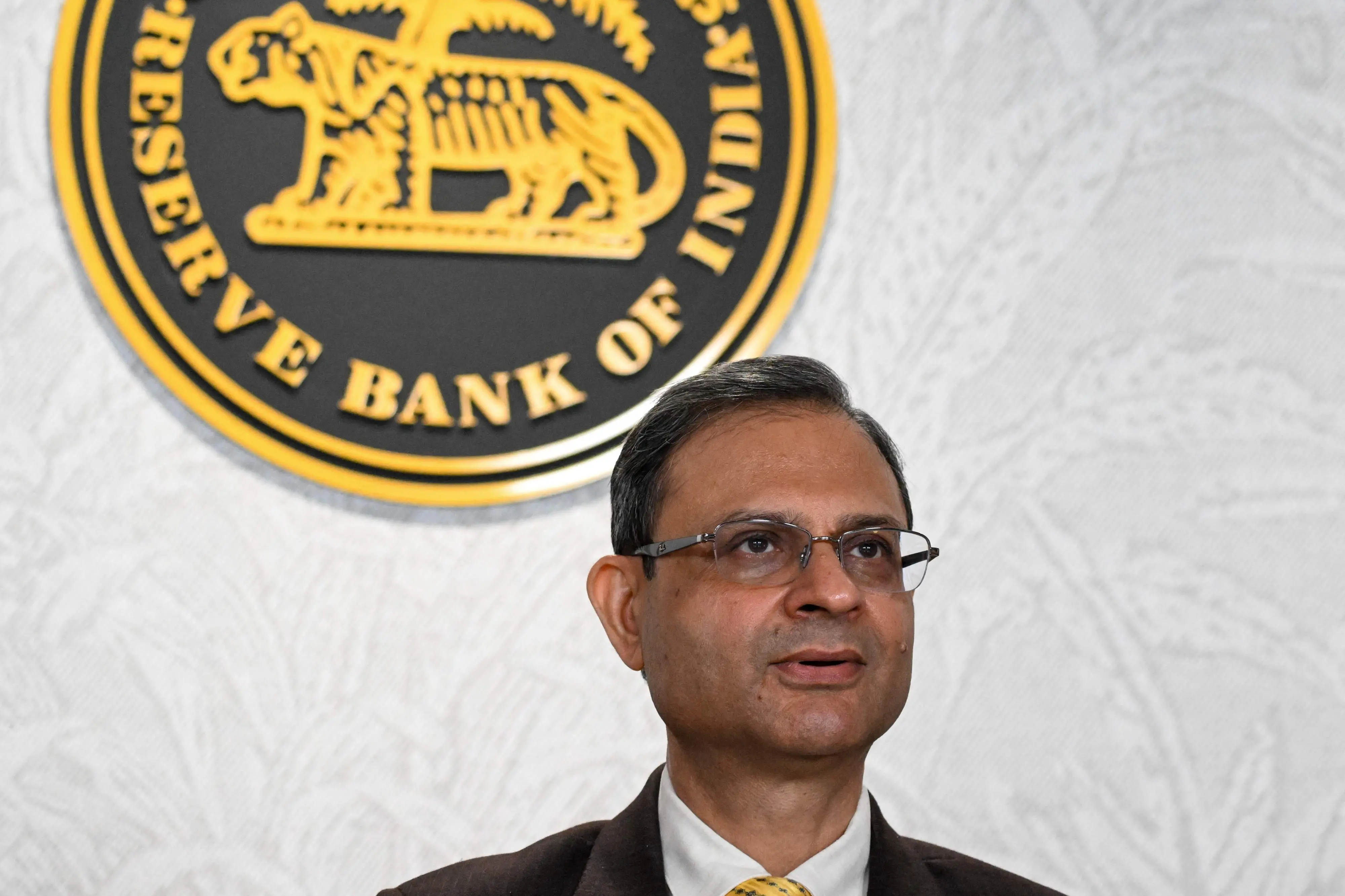
Mumbai: The Reserve Bank of India (RBI) on Friday left benchmark interest rates unchanged, opting for caution as policymakers assess the economic fallout from the prolonged conflict in West Asia, rising crude oil prices, and growing pressure on the Indian rupee.
Announcing the second monetary policy review of the financial year, RBI Governor Sanjay Malhotra said the Monetary Policy Committee (MPC) unanimously voted to keep the repo rate unchanged at 5.25%, while maintaining a neutral policy stance.
The decision marks the second consecutive policy meeting in which the central bank has chosen to hold rates steady, signaling a wait-and-watch approach despite inflation remaining close to its medium-term target.
The central bank's decision comes against the backdrop of escalating geopolitical tensions in West Asia, where a conflict that has stretched for nearly three months has disrupted global energy supply chains and pushed crude oil prices higher.
For India, one of the world's largest crude importers, sustained increases in oil prices pose significant risks to inflation, fiscal balances, and external accounts. Policymakers are increasingly wary that imported inflation could offset recent gains achieved through easing price pressures.
Analysts believe the RBI's latest move reflects concerns that external shocks could quickly reverse the disinflation trend witnessed over the past year.
Inflation near target but risks persist
India's retail inflation, measured through the Consumer Price Index (CPI), eased to 3.48% in April, moving closer to the RBI's long-term objective of 4%.
However, the central bank remains cautious as several upside risks continue to cloud the inflation outlook. A potentially weaker-than-expected monsoon season could affect agricultural output and food prices, while elevated fuel costs may feed into broader inflationary pressures over the coming months.
Rupee under pressure
Another major concern for the RBI is the sustained weakness of the Indian currency.
The rupee has faced persistent depreciation throughout 2026, weighed down by higher crude oil prices, foreign capital outflows, a widening trade deficit, and continued strength in the US dollar.
The currency touched a record closing low of 96.86 against the US dollar on May 20, highlighting the mounting pressure on India's external sector.
Market observers note that the rupee has lost around 7% of its value this year, making it one of the weaker-performing emerging-market currencies in Asia. Since tensions involving Iran escalated earlier this year, the currency has continued to face significant downside pressure.
A weaker rupee not only increases the cost of imports but can also add to inflationary risks by making fuel and other overseas purchases more expensive.
The RBI's decision to maintain rates follows an aggressive easing cycle over the past several policy meetings.
Acting on MPC recommendations, the central bank delivered multiple rate reductions beginning in late 2025, including cuts of 25 basis points each in December 2025, February 2026 and April 2026, followed by a larger 50-basis-point reduction in June as inflation cooled sharply.
The easing measures were supported by a sustained moderation in consumer prices, with retail inflation falling to a historic low of 0.25% in October 2025, the lowest reading since the current CPI series was introduced.
With PTI inputs