Rising raw material costs push AC, TV and appliance prices up by 8 percent from October 1
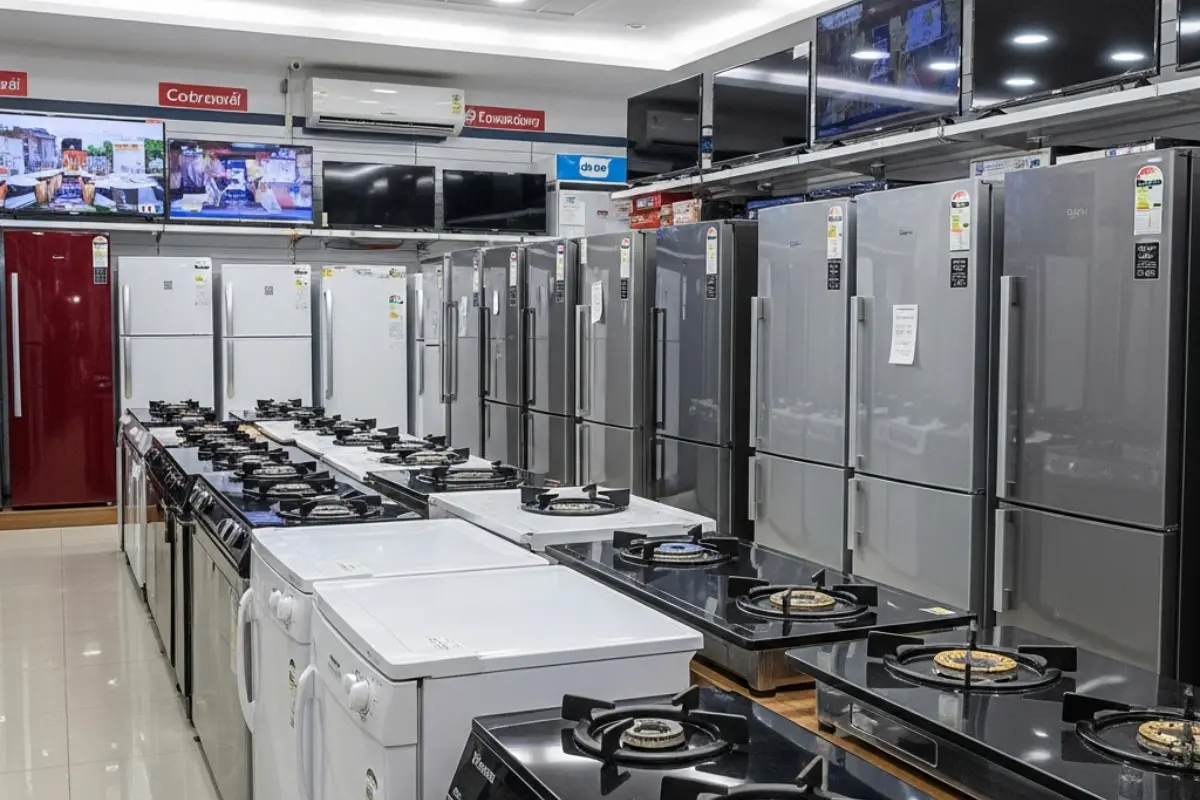
New Delhi: Ahead of the peak festive season, leading consumer electronics and home appliance manufacturers are preparing to hike prices on air conditioners, LED TVs, washing machines, and refrigerators by 5 to 8 per cent starting October 1. The price adjustment aims to pass on the rising costs of key raw materials—including copper, steel, and crude oil derivatives—alongside currency volatility fueled by the ongoing West Asia crisis.
This marks the industry's third price revision in 2026. Industry executives noted that sustained inflation across critical inputs like copper, aluminum, steel, and crude, combined with climbing freight charges, left manufacturers with little choice but to revise rates.
Air-conditioner prices are projected to rise by 5 to 8 per cent, while several brands are increasing rates for washing machines, refrigerators, and LED TVs by 3 to 4 per cent. Other companies continue to assess the overall input impact before making final pricing decisions.
While some manufacturers worry the price adjustments could dampen festive shopping, others point out that the immediate impact on consumers might be cushioned. Many distributors and dealers built up stock at older price points through promotional pre-buying schemes throughout August and September.
Major brands including Blue Star, Godrej Appliances, Haier, Daikin, and Super Plastronics (SPPL) have confirmed or announced price increases ranging from 4 to 10 per cent across various product lines. Meanwhile, Panasonic announced it is still reviewing conditions before implementing changes.
Industry sources indicate that LG and Bosch Home Comfort (which manufactures Hitachi-branded air conditioners) have also raised AC prices by approximately 5 per cent.
Blue Star Managing Director B Thiagarajan confirmed that rates for air conditioners and deep freezers have already climbed 5 to 8 per cent in response to higher raw material expenses.
"All the commodity prices have been going up because of the war. Copper, steel and plastics have all become costlier," he said, adding that this is the third price increase undertaken by the company this year.
Also read: New rules from October: LPG Aadhaar verification, FD rate changes and UPI charges explained
Comparing current rates to the previous year's festive season, Thiagarajan noted that manufacturing costs have increased by around 15 per cent. However, he pointed out that GST benefits of approximately 10 per cent currently available to shoppers will keep the net impact for consumers to around 5 per cent.
Kamal Nandi, Business Head and Executive Vice President, Appliances Business, Godrej Enterprises Group, stated that another widespread price hike had become 'inevitable' following an 8 to 10 per cent jump in raw material costs since the previous adjustment.
"Price hikes of 5-7 per cent across categories will happen. The timing may differ from brand to brand, with some implementing it from October and others from November, but it has to happen," he said.
He reassured buyers that existing stock within the retail supply chain should help buffer immediate purchases over the upcoming holidays.
"There are pipelines which will last for about a month to one-and-a-half months. Diwali should largely get covered with old-price inventory. Post-Diwali, the new prices will certainly take effect," he added.
Haier India President NS Satish highlighted the difficult position manufacturers face regarding margins and demand.
"If we avoid taking price hikes, we will lose money. If we increase prices, sales may be slightly impacted, but there is no choice," he said.
Satish outlined Haier's strategy to raise RAC (room air conditioner) prices by roughly 5 per cent starting October 1, with potential follow-up hikes planned after Diwali and in January if input costs remain high. He also confirmed a 2 to 3 per cent increase across other product categories, including LED TVs and washing machines.
He noted that copper prices have surged dramatically over the past year, driving up manufacturing overhead—particularly for air conditioners, which require 3 to 4 kg of copper per unit.
Satish explained that Haier anticipates a cumulative increase of nearly 15 per cent by early next year—5 per cent in October, another 5 per cent around December, and a final 5 per cent in January. He added that global copper prices have surged from USD 8,000–9,000 per metric ton last year to USD 14,500, with projections suggesting further increases.
Industry reports indicate that the festive shopping window, spanning Onam through Dussehra and Diwali, typically generates 30 to 40 per cent of annual appliance sales.
Daikin Airconditioning India Chairman and Managing Director Kanwaljeet Jawa confirmed that his firm implemented an 8 to 10 per cent price increase starting September 16.
"Copper prices have gone up by almost 25-35 per cent. The dollar is strengthening and commodity prices continue to rise. Companies are under tremendous pressure," he said.
Regarding buyer demand, Jawa noted that market activity remains steady for the moment. "I don't know what will happen going forward, but everybody is aware of the reality in the marketplace right now. It might affect things in the long term if the situation doesn't improve," he said.
Super Plastronics Pvt Ltd (SPPL), which produces and markets TV brands like Thomson, Kodak, and Blaupunkt in India, plans a 7 per cent increase on television prices after October, having already raised appliance prices by 4 to 5 per cent.
SPPL Director Avneet Singh Marwah cautioned that price increases during peak shopping periods could affect consumer behavior, given that buyers expect promotional discounts during festive sales.
"Global instability and rising costs will definitely have some impact on consumer sentiment," he said.
Panasonic Life Solutions India Head of Product Marketing and Planning (AC category) Abhishek Verma noted that the firm is balancing costs against buyer interest. "The industry continues to witness unprecedented cost pressures and we are evaluating the situation carefully," he said.
Videotex Director Arjun Bajaj added that escalating freight rates and supply chain friction are resetting post-festive pricing expectations.
"Television prices for smaller screen sizes could rise by up to 20 per cent, while larger screen sizes may see increases of up to 10 per cent, depending on screen size," he said. (PTI)