PM-KUSUM deadline likely to be extended again: Key solar targets far from reach
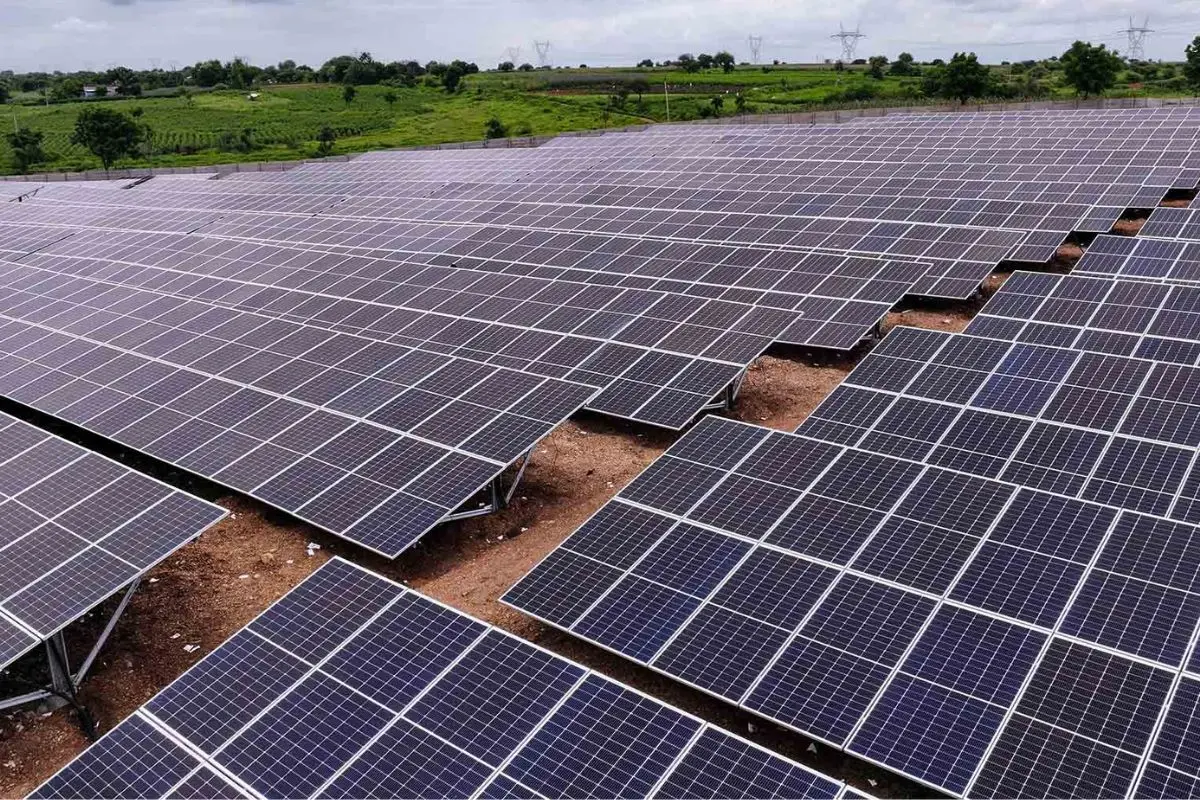
New Delhi: The government is likely to extend the deadline for the Pradhan Mantri Kisan Urja Suraksha evam Utthaan Mahabhiyan (PM-KUSUM) scheme once again, after two of its major components failed to achieve even 50% of their targets, according to official sources.
Launched in 2019, PM-KUSUM was aimed at adding 30,800 MW of solar capacity by 2022, backed by Central financial support of ₹34,422 crore, including service charges for implementing agencies.
The scheme sought to promote solar energy among farmers by enabling the installation of solar pumps and small power plants to reduce dependence on grid electricity and diesel.
In view of the pandemic and delays in implementation, the Centre had earlier extended the scheme till March 2026 and also revised the overall target upward to 34,800 MW.
However, with progress still lagging, the Ministry of New and Renewable Energy (MNRE) is now considering a second extension to allow completion of pending work.
As per official data, none of the three main components of the scheme has achieved its targets so far. Component B, which involves installing 14 lakh off-grid standalone solar pumps, has achieved about 71% of its goal as of September 9.
In contrast, Component A — targeting the installation of 10,000 MW of small solar power plants — has seen only 6.5% progress, while Component C, covering the solarisation of grid-connected pumps, stands at 16.5% (IPS) and 25.5% (FLS) respectively.
Under Component A, just 650.49 MW of capacity has been installed so far. Several states, including Telangana, Tripura, Odisha, Gujarat, and Assam, have reported zero progress.
Installations remain in single digits in large states such as Uttar Pradesh (1 MW), Tamil Nadu (3 MW), Maharashtra and Goa (4 MW), and Chhattisgarh (7 MW).
For Component B, over 12.72 lakh off-grid solar pumps have been sanctioned, of which 9.03 lakh have been installed.
However, Andaman and Nicobar Islands, Puducherry, and Telangana have not reported any installations as of September 2025.
Officials said that the ministry is reviewing the bottlenecks and assessing the feasibility of extending the scheme further to ensure the envisaged solar capacity is achieved.