UPI fee rules change the game for PhonePe as IPO plans return to focus
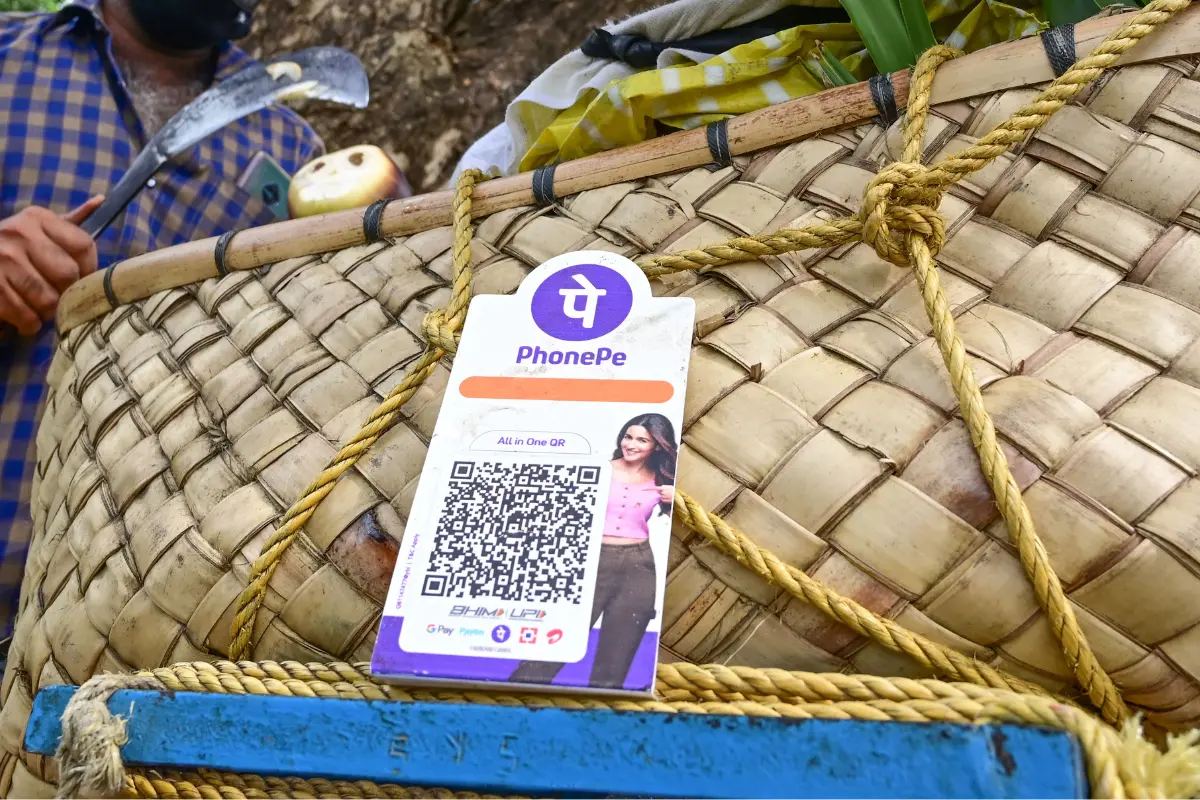
PhonePe Ltd is considering restarting preparations for an initial public offering after the National Payments Corporation of India introduced a new Merchant Discount Rate framework for selected UPI merchant transactions, according to two people cited by Mint.
The new framework takes effect from October 15, 2026. It introduces a 0.4% MDR on eligible person-to-merchant UPI transactions above ₹2,000, with the charge capped at ₹300 for transactions of ₹75,000 and above. Person-to-person UPI payments remain free.
The revised framework gives payment companies greater visibility into how revenue can be generated from some UPI transactions. However, the people cited in the report said a PhonePe share sale is not expected immediately.
Why the MDR change matters to PhonePe
MDR is the fee associated with processing certain merchant payments. UPI had operated with no MDR on many transactions for several years, limiting direct revenue opportunities for payment application providers.
Under the new framework, selected higher-value merchant transactions will generate MDR revenue for participants in the payment ecosystem.
PhonePe founder and CEO Sameer Nigam has said the introduction of a limited MDR could provide revenue that can be reinvested in the UPI ecosystem, including technology, merchant expansion and new payment use cases.
The new rules also preserve zero MDR for person-to-person transactions and low-value merchant payments. NPCI's framework keeps UPI free for consumers and small merchants under specified conditions.
What stays free under the new UPI framework?
The revised system does not introduce a general fee for consumers using UPI.
Person-to-person transactions remain free regardless of transaction value. Merchant payments below ₹2,000 also remain outside the new 0.4% MDR, while qualifying small merchants continue to receive zero-MDR treatment.
The framework is therefore targeted at selected higher-value merchant transactions rather than all UPI payments.
PhonePe's IPO plans
PhonePe had previously paused its listing plans amid volatility in global capital markets and geopolitical uncertainty.
The new MDR framework could provide greater clarity around the company's potential revenue environment, but there is no confirmed IPO date or indication that PhonePe has formally restarted the listing process.
Any eventual IPO would still depend on market conditions, company decisions and regulatory processes.
UPI's growing scale
UPI continues to process an enormous volume of digital payments in India. According to Mint, the platform processed 24.5 billion transactions worth ₹29.8 lakh crore in August 2026.
For payment platforms such as PhonePe, the introduction of MDR on selected merchant transactions potentially creates a new revenue channel while maintaining free access for consumers and a large portion of smaller-value transactions.
The key change for PhonePe is revenue visibility rather than an immediate IPO announcement.
For years, the absence of MDR on much of UPI meant payment apps had limited direct monetisation from the core transaction flow. The new framework creates defined pricing parameters for selected merchant transactions from October 15.
At the same time, the rules deliberately limit the scope of the charge. P2P transactions remain free, payments below ₹2,000 remain free, and qualifying small merchants remain under the zero-MDR framework.
This means the effect on PhonePe's overall revenue will depend on the proportion and value of eligible merchant transactions processed through its platform. The MDR framework provides greater structural clarity, but it does not by itself establish how much additional revenue PhonePe will generate.
The distinction is important because PhonePe considering a return to the IPO process is different from PhonePe announcing an IPO. The latest reports point to an evaluation of options rather than a confirmed listing timetable.