November 1 rule changes: New toll pass, GST norms and digital payment rules
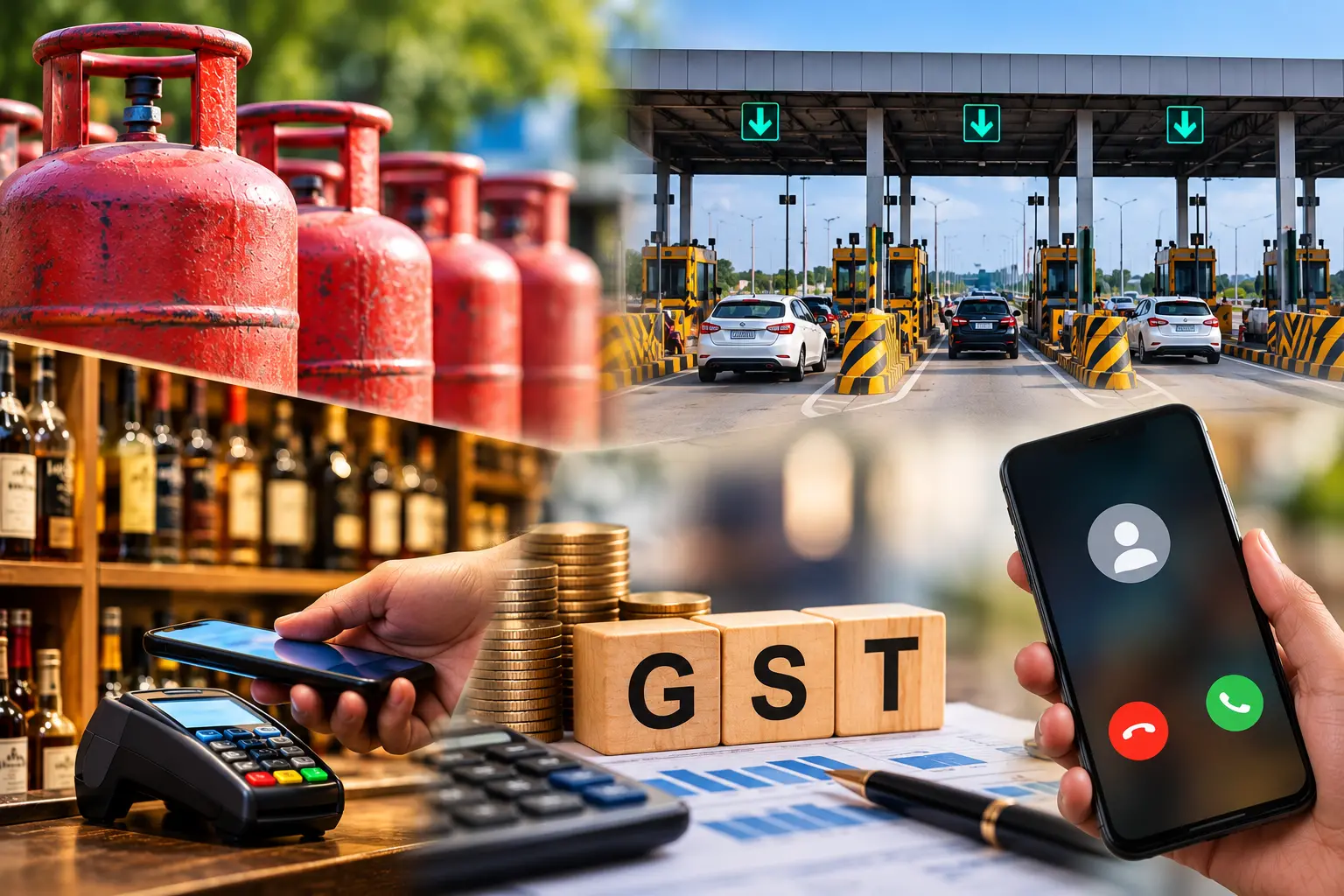
Several rules concerning everyday expenses, taxation, transportation and telecommunications are set to change from November 1, 2026.
The changes include a possible revision in LPG cylinder prices, a new annual toll pass, mandatory digital payments for certain liquor purchases in Tamil Nadu, changes in GST procedures and a new caller identification system.
These developments could affect households, motorists, small businesses and mobile phone users. Here are the five key changes scheduled for November 1.
1. LPG cylinder prices may change
LPG prices are revised on the first day of every month, and oil marketing companies announce new rates for 19-kg commercial cylinders. On October 1, the price of a 19-kg commercial LPG cylinder was increased by Rs 62.50. However, the price of the 14.2-kg domestic LPG cylinder remained unchanged. The revised rates for November are expected to be announced on November 1. Any increase in commercial LPG prices could also indirectly affect food prices, particularly at restaurants and eateries.
What to know:
- Commercial LPG cylinder prices are revised monthly.
- The 19-kg cylinder became Rs 62.50 costlier in October.
- Domestic LPG prices remained unchanged in October.
- Fresh rates are expected on November 1.
2. Annual toll pass priced at Rs 1,500
A new annual toll pass is set to be introduced for residents living near toll plazas. The facility is intended to benefit people residing within a 20-km radius of toll plazas. The annual pass will cost Rs 1,500 and will be available from November 1.
The initiative is expected to provide relief to eligible residents who frequently travel through nearby toll plazas.
What to know:
- Annual pass price: Rs 1,500.
- Eligibility: Residents within a 20-km radius of toll plazas.
- Expected implementation date: November 1, 2026.
3. Tamil Nadu makes digital payments mandatory for liquor purchases above Rs 1,000
Liquor buyers in Tamil Nadu must follow a revised payment rule from November 1. The Tamil Nadu State Marketing Corporation (TASMAC) has announced that digital payments will be mandatory for retail purchases of liquor bottles priced above Rs 1,000. This means customers buying liquor worth more than Rs 1,000 will no longer be able to pay in cash. The move is expected to encourage digital transactions in retail liquor sales.
What to know:
- The rule applies in Tamil Nadu.
- Digital payments will be mandatory for liquor bottles priced above Rs 1,000.
- Cash payments will not be permitted for these purchases.
4. GST rules to change, small businesses may benefit
GST procedures are also set to undergo changes from November 1, with a focus on simplifying compliance and reducing the documentation burden on businesses. The proposed changes include reducing the time taken to process tax refunds and introducing automatic refund approvals in certain cases. Businesses with an annual turnover below Rs 5 crore that directly supply goods or services to consumers will also get a new return filing system. The changes aim to make GST compliance easier, particularly for smaller businesses.
What to know:
- Tax refund processing time is expected to be reduced.
- Documentation requirements for businesses will be eased.
- Automatic refund approvals will be introduced in certain cases.
- The government plans anew return system for eligible businesses with annual turnover below Rs 5 crore.
5. Mobile users to see caller names on incoming calls
The Department of Telecommunications (DoT) is set to introduce another significant change concerning mobile phone users from November 1. Under the proposed caller identification system, the caller's name will appear on the recipient's phone, even if the number isn't saved in their contact list.
The system is expected to reduce reliance on third-party apps to identify unknown callers. The move could also help users identify unfamiliar callers and make more informed decisions about answering incoming calls.
- What to know:
- Caller names are expected to appear on incoming calls.
- The feature will cover numbers not saved in contacts.
- Users will not need third-party applications for caller identification.