New 25% US tariff leaves Rs 20 crore egg consignment stuck in Namakkal
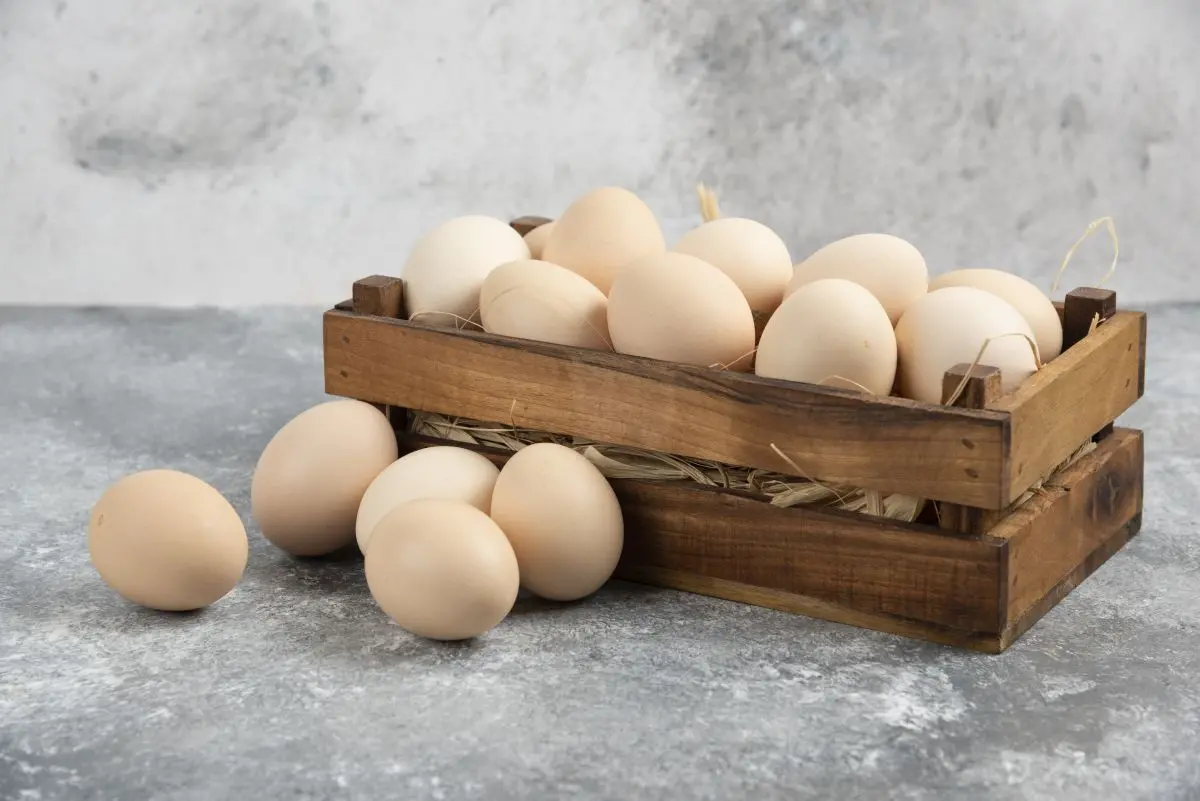
The sudden imposition of tariffs by the United States has left a Rs 20 crore egg consignment stranded in Namakkal, a major egg-producing hub in India. The US, which had initially placed a 25% tariff on Indian goods, added another 25% on Wednesday, bringing a promising new export partnership to an abrupt halt.
In a landmark move, Namakkal had shipped its first-ever trial consignment of 1.2 crore eggs to the US in June, generating significant optimism among local poultry farmers. This initial success had been seen as a crucial step toward tapping into the lucrative American market.
Industry scrambles to redirect stock
The latest tariffs, however, have stalled the entire export process, leaving the eggs with no immediate overseas buyer. The Egg Exporters Association is now working on a strategy to redirect the unsold stock to domestic markets to prevent wastage and an industry surplus.
The President of the Association, Vangili Subramaniam, confirmed the situation, stating, "The opportunity to export 1.2 crore eggs to the US was a one-time arrangement, and unfortunately, it coincided with the sudden imposition of tariffs. This consignment is only a small fraction of our daily output, so the overall industry impact is limited. We will ensure these eggs are sold domestically."
Namakkal's Poultry Powerhouse
Namakkal is a key player in India's food supply chain, producing over 7 crore eggs daily. Of this, majority are supplied within Tamil Nadu and other states, while another 80 lakh eggs are exported every day to the Middle East.
Industry experts believe that while the loss from the halted shipment is significant, the region's robust domestic demand and established export channels to Arab nations will help cushion the immediate financial blow.
However, the incident has raised concerns among exporters about the long-term viability of trade with the US if the new tariffs remain in effect. For now, farmers and traders in Namakkal are shifting their focus back to their traditional markets while monitoring global trade policies for a potential reopening of the US door.