Mexico’s new tariff regime to hit Indian auto, steel exports hard from January 2026
New Delhi: Starting January 1, 2026, Mexico will impose steep tariffs ranging from 5% to 50% on more than 1,460 imported products from countries that do not have a Free Trade Agreement (FTA) with it. India which does not have an FTA with Mexico, is set to be one of the countries most affected by this new trade policy.
Why Mexico is imposing these tariffs
Mexico’s decision is driven by four major factors:
1. To curb cheap Chinese imports
China currently enjoys a huge trade surplus with Mexico over USD 100 billion. A surge of low-cost Chinese steel, auto-parts and textiles has hurt Mexican manufacturers. Mexico also wants to crack down on Chinese companies setting up plants in the country solely to re-export to the U.S.
2. To align more closely with the United States
The US-Mexico-Canada Agreement (USMCA) comes up for review in 2026. Both the outgoing Biden administration and the incoming Trump administration have warned Mexico against becoming a “backdoor” entry for Chinese goods into the US. By targeting non-FTA nations, especially China, Mexico signals its willingness to cooperate with Washington.
3. To protect domestic industries and jobs
The Mexican government has positioned the tariffs as a step to shield local workers and industries from unfair competition.
4. To raise additional revenue
Mexico expects to generate nearly 70 billion pesos annually from the tariff hike.
How India will be affected
India is among the hardest-hit countries after China.
- India exports USD 800 million to USD 1 billion worth of passenger vehicles to Mexico each year. These will now face a 50% tariff, up from 20%. Such high duties could force companies to consider local assembly in Mexico or seek exemptions.
- For auto components and parts, exports worth USD 600–700 million will be taxed at 25%–50%, hitting margins and demand sharply.
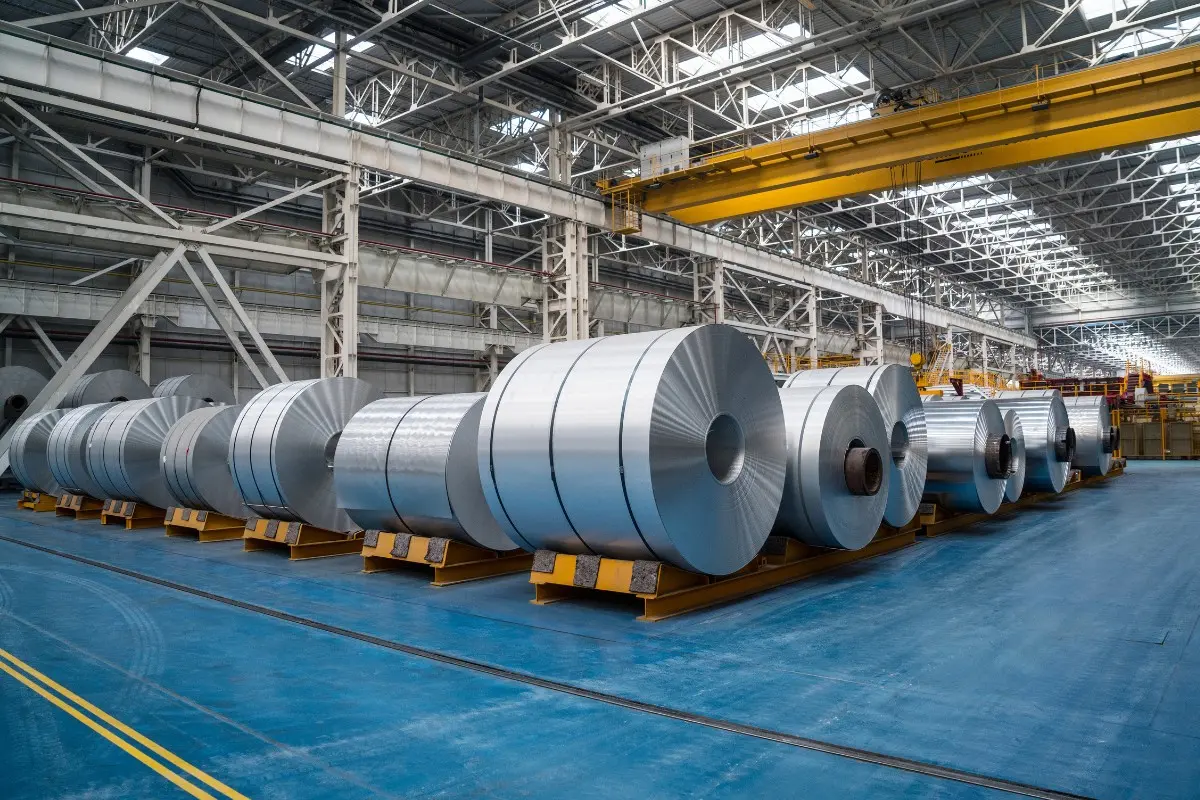
- India exports nearly USD 900 million worth of steel annually. New tariffs of 35%–40% are expected to severely impact companies like Tata Steel.
How India is responding
Indian exporters and industry bodies lobbied Mexican lawmakers in late 2025, but the efforts did not lead to any exemptions.
The Indian government has now elevated the matter to a diplomatic priority, pushing for:
A bilateral FTA, or a Partial Scope Agreement, specifically covering automobiles and steel.
India hopes to minimise losses before the tariffs come into force.
Who gains and who loses?
Winners:
Mexican steel, textiles, and auto-parts industries, which gain more protection
Mexican government, earning an additional USD 3.75 billion per year
United States, which gains an ally in curbing Chinese trade routes
Losers:
Indian exporters, particularly in automobiles and steel
Chinese exporters, the primary target of the policy
Other Asian exporters including South Korea, Thailand, and Taiwan
Mexican consumers, who will pay higher prices
Local manufacturers and retailers dependent on cheap Asian inputs