Inflation squeezes Kerala households as essential commodity prices climb
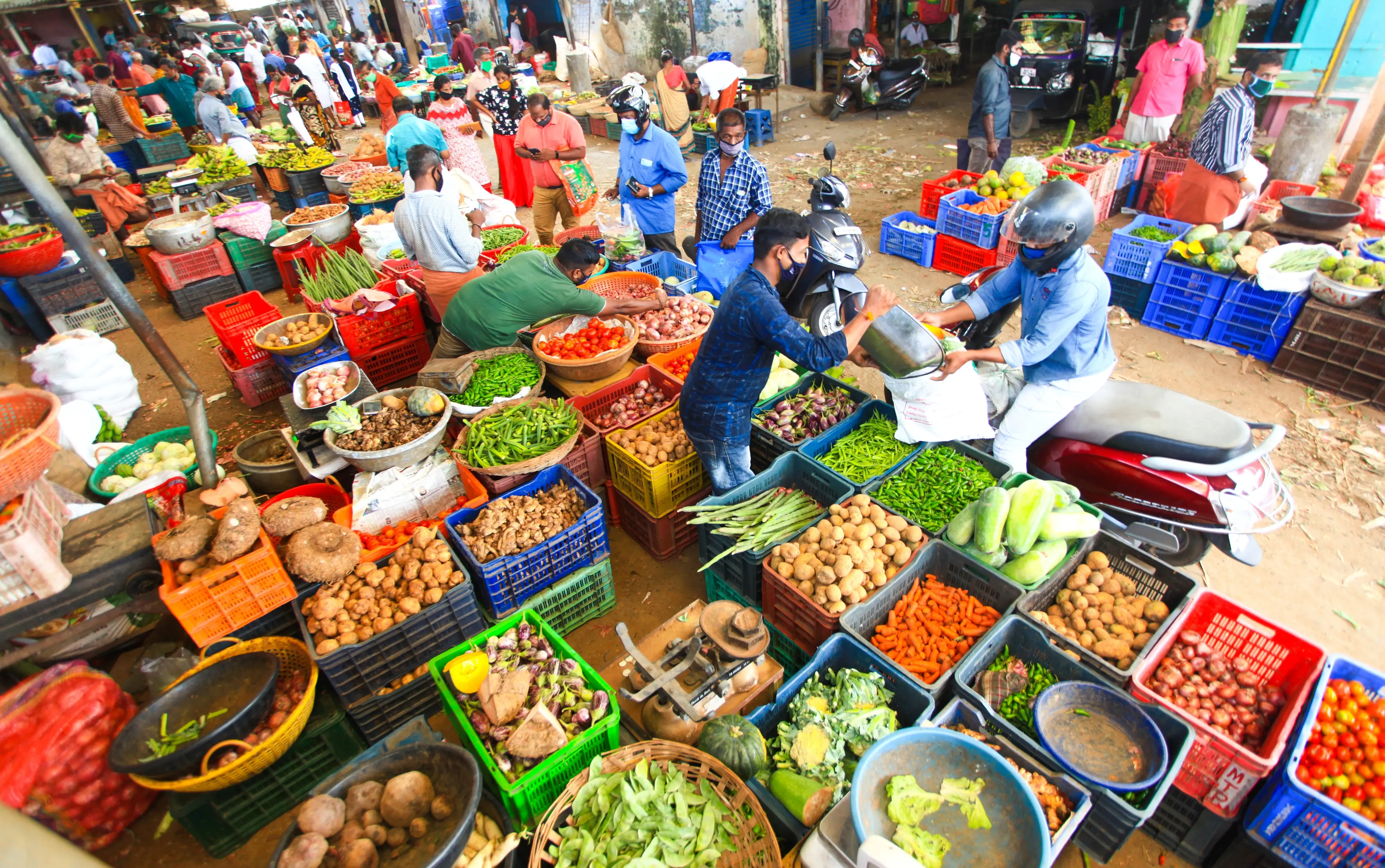
Kasaragod, Kerala: Rising prices of essential commodities pushed inflation higher in June, putting additional pressure on household budgets across Kerala, with food inflation emerging as the biggest concern.
India’s retail inflation, measured by the Consumer Price Index (CPI), stood at 4.38% in June, the highest level since December 2024 and above the Reserve Bank of India’s 4% level.
Kerala recorded an overall inflation rate of 4.34%, but the burden was significantly higher in rural areas. Rural inflation climbed to 5.07%, compared to 3.74% in urban centres, highlighting the growing strain on households with limited and fixed incomes.
Food inflation fuels price surge
The sharp rise in food prices has become the primary driver of inflation in the consumer-dependent state, where the cost of daily essentials has climbed steadily.
An LPG cylinder now costs around Rs 950, with home delivery pushing the price beyond Rs 1,000 in many places.
Prices of vegetables, including tomatoes, beans, onions, potatoes, ginger and green chillies, have increased considerably. Staples such as rice, pulses, edible oils and spices have also become more expensive.
The cost of fish and meat has risen sharply, with chicken, beef and pork witnessing significant price increases.
Egg prices climb sharply
Egg prices have also surged in recent weeks. Retail prices, which hovered around Rs 7 per egg after rising from Rs 5, have now reached Rs 8.50, while wholesale prices have touched Rs 8.
The increase has been attributed mainly to higher poultry feed costs. Prices of raw materials such as soybeans, maize and bran, along with rising fuel costs, have significantly increased feed production expenses. Poultry farmers say feed prices have gone up by Rs 450-500 per bag in just one month, forcing several small-scale farms to shut down due to mounting production costs.
Kerala depends largely on egg supplies from Namakkal in Tamil Nadu. However, extreme summer heat during April and May caused widespread poultry deaths and reduced egg production in farms there.
The Tamil Nadu government’s procurement of large quantities of eggs for its school midday meal programme has further reduced supplies reaching Kerala.
The ongoing trawling ban in Kerala has also reduced fish availability, prompting more consumers to shift towards eggs and chicken as affordable protein sources, further driving up demand and prices.
Rural households under greater stress
The impact of inflation is being felt more severely in rural areas, where households generally have lower and fixed incomes.
With incomes remaining stagnant while prices continue to rise, purchasing power has weakened considerably. Families are spending a larger share of their earnings on basic food items, forcing many to cut back on nutritious foods such as fish, eggs and milk.
Higher food expenditure is also compelling households to reduce spending on healthcare, children’s education, clothing and other essential needs.
Economists warn that shrinking disposable incomes are also affecting local businesses and farmers, as lower consumer spending slows economic activity in rural markets.
Why prices are rising
Several factors have contributed to the current inflationary trend.
Rising fuel prices, linked to tensions in West Asia, have increased transportation costs for goods brought into Kerala from other states.
Extreme summer temperatures followed by unseasonal heavy rains have reduced agricultural output in several major producing states, disrupting supply chains.
With demand continuing to outpace supply, prices of essential commodities have remained elevated across the state, adding to the financial burden on consumers.