Why global buyers are now paying any price for Copper and Aluminium
Global commodity markets are undergoing a fundamental structural shift as the industrial metals sector enters the second year of what equity analysts describe as a historic "Necessity Cycle". According to a sector research report issued by Aditya Birla Capital, the rally that began in April 2025 is broadening across industrial metals, driven by severe supply constraints, geopolitical friction, and accelerating demand from the clean energy transition and data centre expansion.
With the Metals & Mining NIFTY 50 benchmark standing at 23,270, Head of Research Amit Lahoti and Research Analyst Manav Gogia highlight that current market dynamics represent a clear break from traditional demand-driven cycles, evolving instead into a supply-constrained race for material security.
Copper prices have surged to record levels near US$14,200 per tonne, representing a 62% price gain since hitting a cyclical trough of approximately $8,500 per tonne in April 2025[2]. This price surge is anchored by acute operational bottlenecks at key global mining hubs, including mine disruptions at Indonesia's Grasberg and Chile's El Teniente, alongside severely constrained concentrate supply reflected in negative Treatment and Refining Charges (TC/RCs).
Furthermore, potential import tariffs under the Trump administration threaten to distort international trade flows by pulling physical metal inventories into the United States, thereby intensifying supply scarcity across other global regions.
The report emphasises a key structural evolution in industrial buying behaviour, where buyers are becoming increasingly price-inelastic and prioritising supply-chain resilience over raw material costs.
A prime example of this shifting dynamic occurred over the past year as global markets absorbed 50% tariffs on steel and aluminium with minimal impact on underlying consumption.
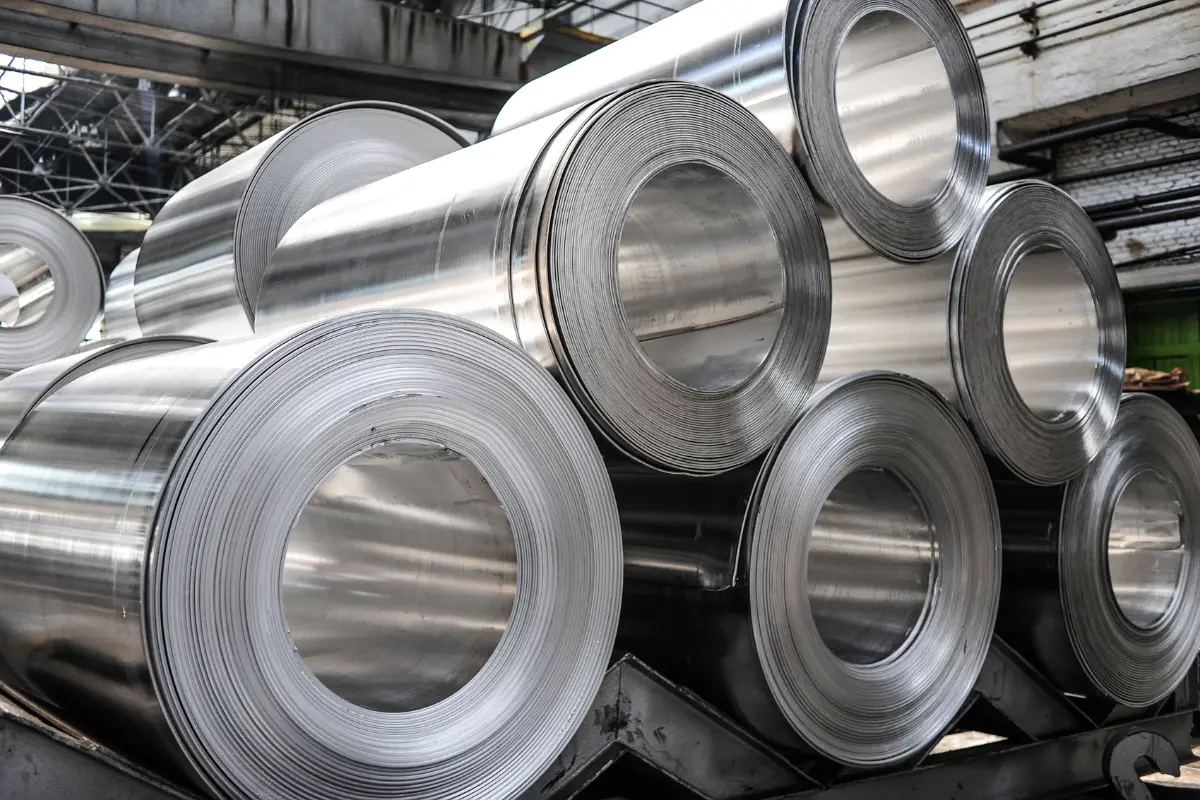
In the aluminium sector, elevated Midwest premiums effectively offset tariff burdens, demonstrating that end-users are willing to accept higher prices to guarantee physical material availability.
Furthermore, analysts argue that despite recent price gains, metals remain attractively valued relative to global monetary expansion, persistent fiscal spending, rising sovereign debt, and potential long-term currency debasement, making physical metals important strategic stores of value for national electrification and industrial policy goals.
An in-house study by Aditya Birla Capital analysing seven completed copper cycles over four decades reveals that the current rally retains substantial room for growth. Historically, copper cycles have delivered an average cumulative return of approximately 80% to 83% over a 2 to 3-year timeframe, typically peaking between 28 and 30 months following a cycle trough.
At roughly 17 months past its April 2025 low, the current 62% price advance is progressing in line with or ahead of historical precedents, indicating that the multi-year cycle remains in its early-to-mid build-up stage.
Historical data also shows that metal prices declined by an average of 26% in the 12 months preceding a trough before embarking on sustained multi-year upward moves.
The structural deficit in global metals traces back to 2012, when global mining capital expenditure peaked, after which prolonged capital discipline left the industry with a thin pipeline of new supply projects. Because mine development lead times are notoriously long, supply cannot adjust quickly to sudden demand spikes driven by global megatrends like electrification, data centre infrastructure for artificial intelligence, and national protectionism.
As the Necessity Cycle broadens beyond copper into other base metals, non-ferrous producers such as HCP, NACL, VAML, HZ, VEDL, and GMDC are positioned as key beneficiaries, with several players expanding capabilities in critical minerals and rare earths.
Additionally, cable and wire manufacturers are emerging as direct pass-through beneficiaries, capitalising on sustained demand for power grid and wiring infrastructure.