Automotive surge: How GST and rural recovery powered India's Q3 FY26 performance
New Delhi: India’s automobile sector posted a strong showing in the October–December 2025 quarter, with overall passenger vehicle volumes rising 20 per cent year-on-year. The growth was driven by GST reforms, improving rural demand, better affordability, and sustained festive momentum, according to a report by financial services firm PL Capital.
Passenger vehicle sales increased as GST-led price reductions and year-end discounts encouraged buying. Dealer inventory levels also improved, falling from over 55 days earlier to 45 days in November and about 38 days in December. Smaller cars benefited strongly from GST cuts, while SUVs continued to dominate demand, reflecting the premiumisation trend in India’s car market.
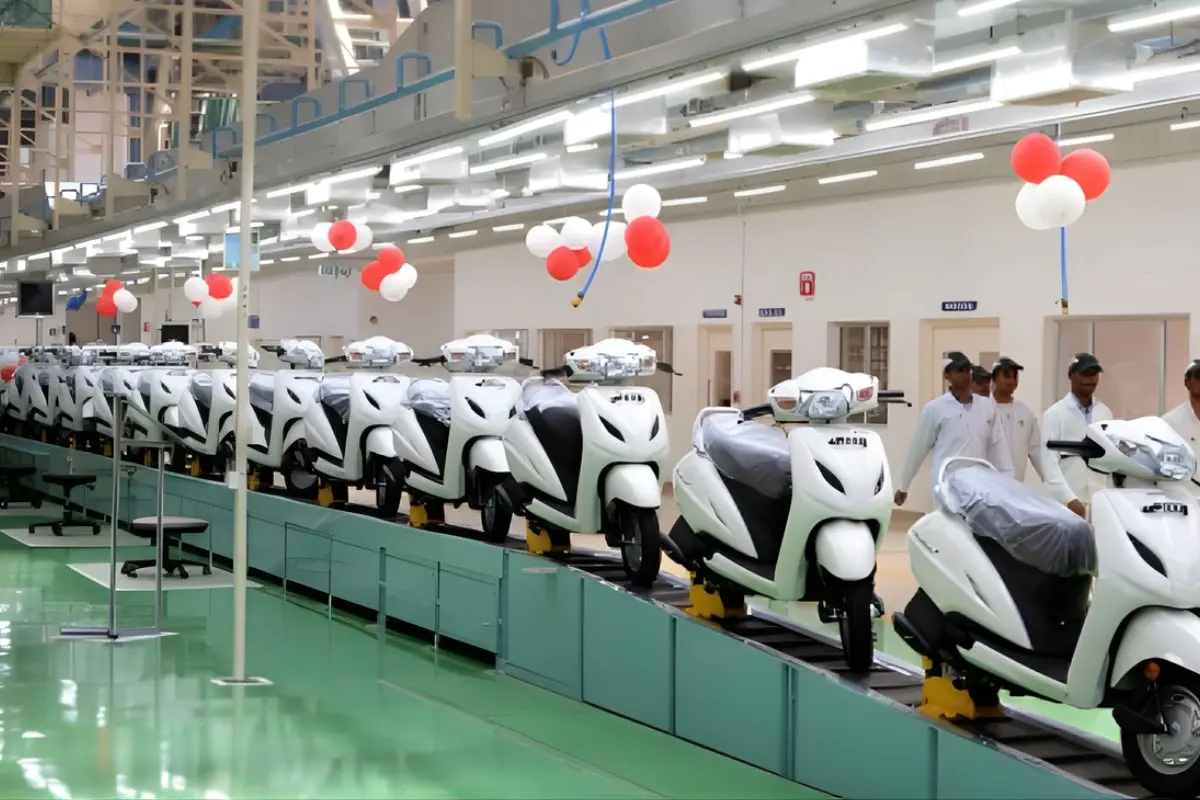
Two-wheeler sales recorded high-teens growth, supported mainly by motorcycles in the 150cc and above segment. Some models faced extended waiting periods due to strong retail momentum and restocking at dealerships.
Commercial vehicles showed early signs of an upcycle during Q3 FY26, supported by a pickup in construction and mining activity after prolonged monsoon conditions. Medium and heavy commercial vehicles outperformed light commercial vehicles as replacement demand improved and buyers opted for higher-tonnage models. GST rationalisation also helped fleet operators advance purchase decisions.
Construction equipment sales recovered, though growth remained moderate due to last year’s high base linked to pre-buying ahead of emission norm changes. Tractor sales continued to rise, supported by government subsidies and favourable policy measures. A strong Kharif harvest and improved Rabi sowing boosted rural incomes, further driving demand for entry-level vehicles and tractors.
Original Equipment Manufacturers (OEMs) benefited from new launches, facelifts, better realisations, and stable exports, while a weaker rupee provided additional support. However, the report cautioned that rising costs of raw materials such as aluminium, copper, and platinum, along with steel safeguard duties from January 2026, could impact margins in the coming quarters.
IANS