India's digital news publishers join ANI copyright lawsuit against OpenAI
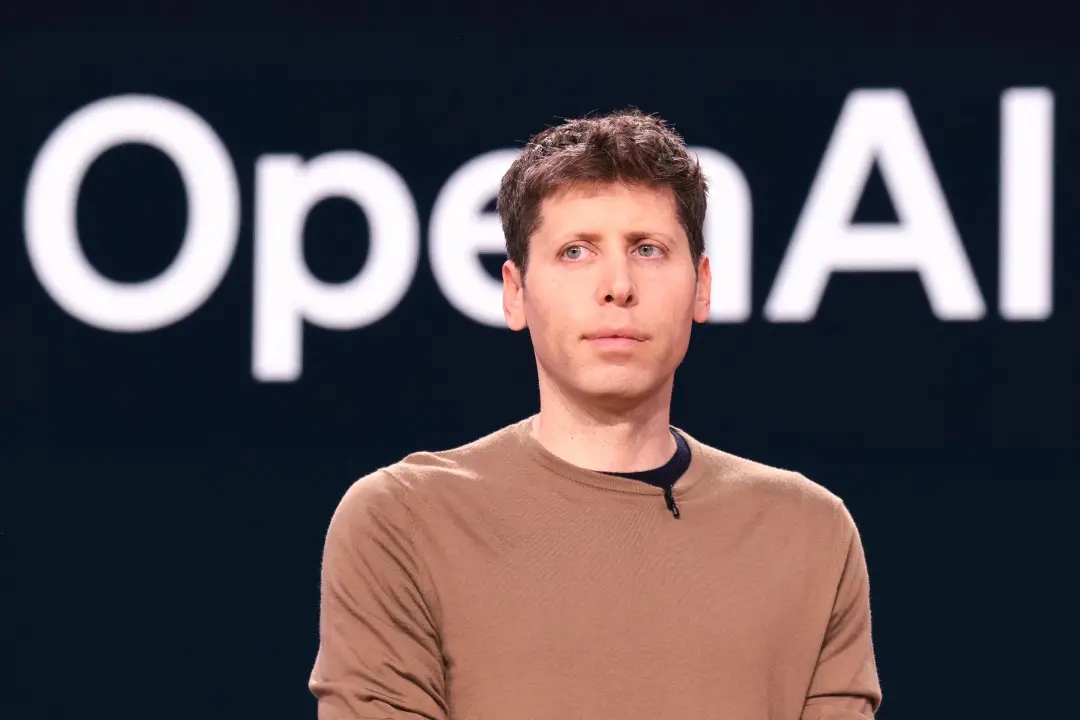
The Delhi High Court is set to hear fresh arguments in news agency ANI's copyright lawsuit against OpenAI, as major Indian digital publishers, including the Digital News Publishers Association (DNPA), have filed an intervention application in the case.
The media organizations argue that the jurisprudence set by this case will have long-term implications on how news is collected and disseminated in India. The Times Group, which is a DNPA member, has not joined the intervention plea.
Legal Battle over AI's use of news content
Filed a day before the next hearing in the ANI case, the intervention application contends that AI companies, including OpenAI, violate intellectual property rights by using news content without proper licenses or authorization. The publishers assert that OpenAI's practices threaten the revenue streams of news organizations and impact the livelihoods of journalists and media professionals.
The application further highlights that OpenAI has entered into licensing deals with global publishers such as Associated Press, The Atlantic, and News Corp, proving that the company acknowledges the need for permissions to use news content for AI training. The DNPA argues that Indian publishers should also be granted similar agreements to protect their intellectual property and business models.
Big tech's impact on news monetization
The DNPA has long been advocating for regulations to curb the monetization of news content by Big Tech platforms, including search engines, social media platforms, and web scraping services.
The intervention application argues that search engines serve as the primary gateway for news consumption, allowing them to control audience reach and advertising revenue.
The DNPA has raised these concerns with India's Ministry of Information & Broadcasting, pushing for stronger legal protections for news publishers.
Earlier this month, the Federation of Indian Publishers (FIP) also filed to join ANI’s lawsuit, emphasizing that the impact of the case extends beyond news agencies to book publishers and academic content creators.
OpenAI's jurisdiction argument
OpenAI has maintained in court that Indian courts lack jurisdiction over the matter, as the data in question was not processed or stored in India. However, publishers argue that OpenAI's services affect Indian businesses and content creators, warranting legal oversight under Indian law.
On November 18, Justice Amit Bansal appointed academic Arul George Scaria and lawyer Adarsh Ramanajun as amici curiae to provide legal insights on the matter.
Global AI copyright lawsuits
The case against OpenAI is part of a wider global legal battle against AI companies, including Meta, Anthropic, and Perplexity AI, over the unauthorized use of copyrighted and paywalled content to train AI models.
Many publishers and content creators argue that AI-generated responses divert online traffic away from original sources, depriving them of revenue.
While lawsuits have been filed in the US and other jurisdictions, none have reached a final ruling yet.
Additionally, social media users have also launched lawsuits against platforms like LinkedIn, alleging that private messages and public posts were used to train AI models without consent.
With growing legal scrutiny over AI's impact on intellectual property, the outcome of ANI's lawsuit is likely to set a significant precedent for AI regulation in India. The case will determine whether AI companies can use Indian news content without compensation or if new legal frameworks will be introduced to protect publishers from AI-driven content aggregation.
The Delhi High Court is set to hear further arguments on January 30.