Good news for CNG and piped natural gas users: prices to fall from Jan 1
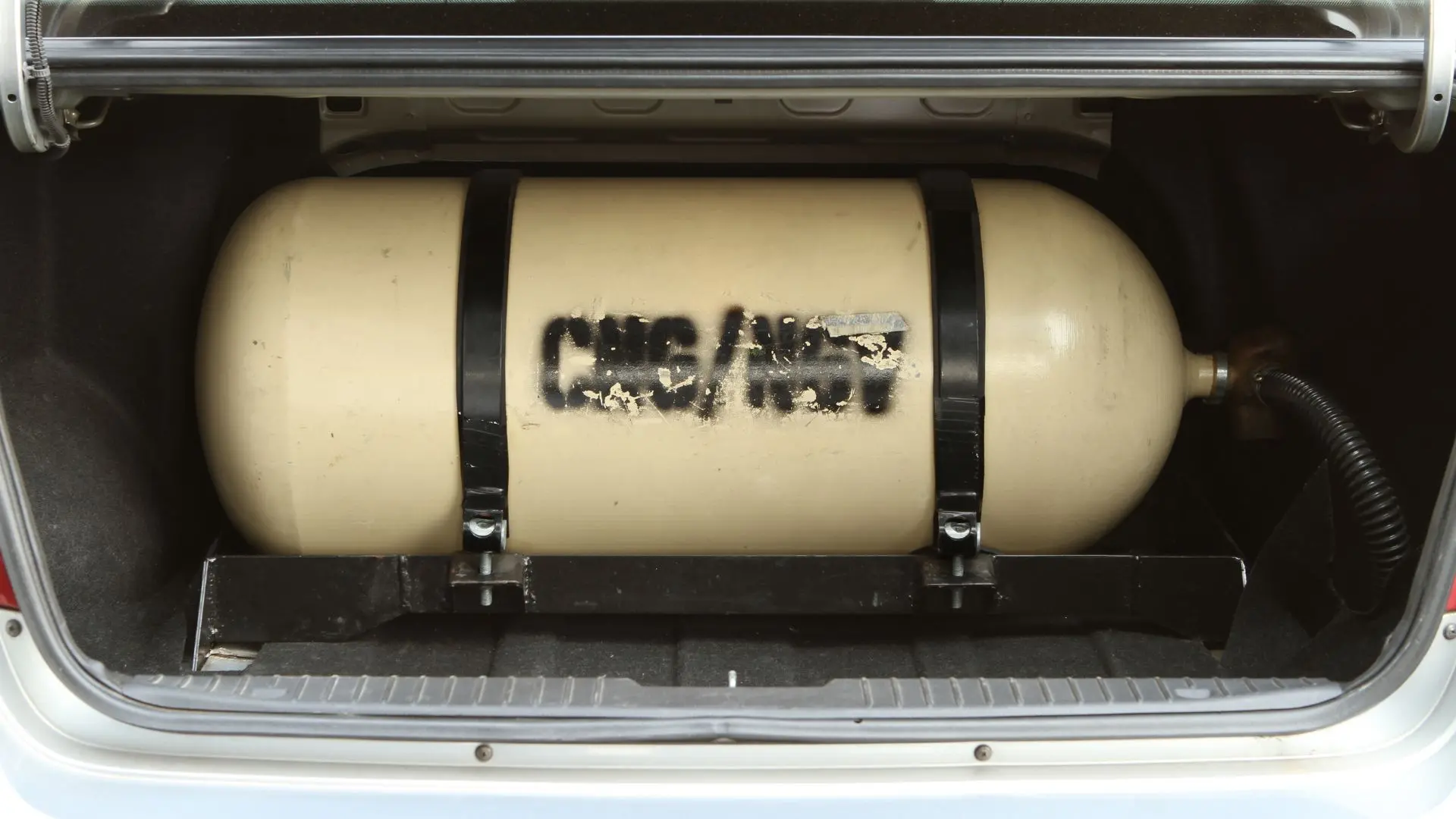
New Delhi: Consumers using Compressed Natural Gas (CNG) and domestic Piped Natural Gas (PNG) across India are set to benefit from a reduction in prices starting January 1, 2026, after the Petroleum and Natural Gas Regulatory Board (PNGRB) moved to rationalise gas transportation tariffs.
The price drop will come into effect following the implementation of a simplified and unified pipeline tariff structure, which is expected to lower costs for city gas distribution (CGD) companies and translate into savings of ₹2–3 per unit for consumers, depending on location and taxes.
According to PNGRB Member AK Tiwari, the regulator has replaced the earlier three-zone, distance-based tariff system with a two-zone structure to bring uniformity and reduce disparities across regions. The earlier framework, introduced in 2023, imposed higher tariffs on areas located farther from gas sources.
Under the revised structure, the Zone 1 tariff has been fixed at ₹54 on a pan-India basis for CNG and domestic PNG consumers, down from previous rates of up to ₹107 in certain regions.
The rationalised tariff will benefit consumers in 312 geographical areas served by 40 city gas distribution companies, covering both transport users relying on CNG and households using PNG for cooking.
The PNGRB has directed CGD operators to ensure that the benefit of lower tariffs is passed on to consumers, adding that compliance will be closely monitored.
The regulator is also facilitating the expansion of gas infrastructure nationwide. Licences have been issued to cover the entire country, with participation from public sector companies, private players, and joint ventures. Several states have also reduced VAT on natural gas and eased permission processes to support the rollout.
With prices set to fall and infrastructure expanding, the government expects higher adoption of natural gas, with the city gas distribution sector playing a key role in driving cleaner fuel usage.