Bengaluru airport introduces India’s first sensory room for special needs passengers
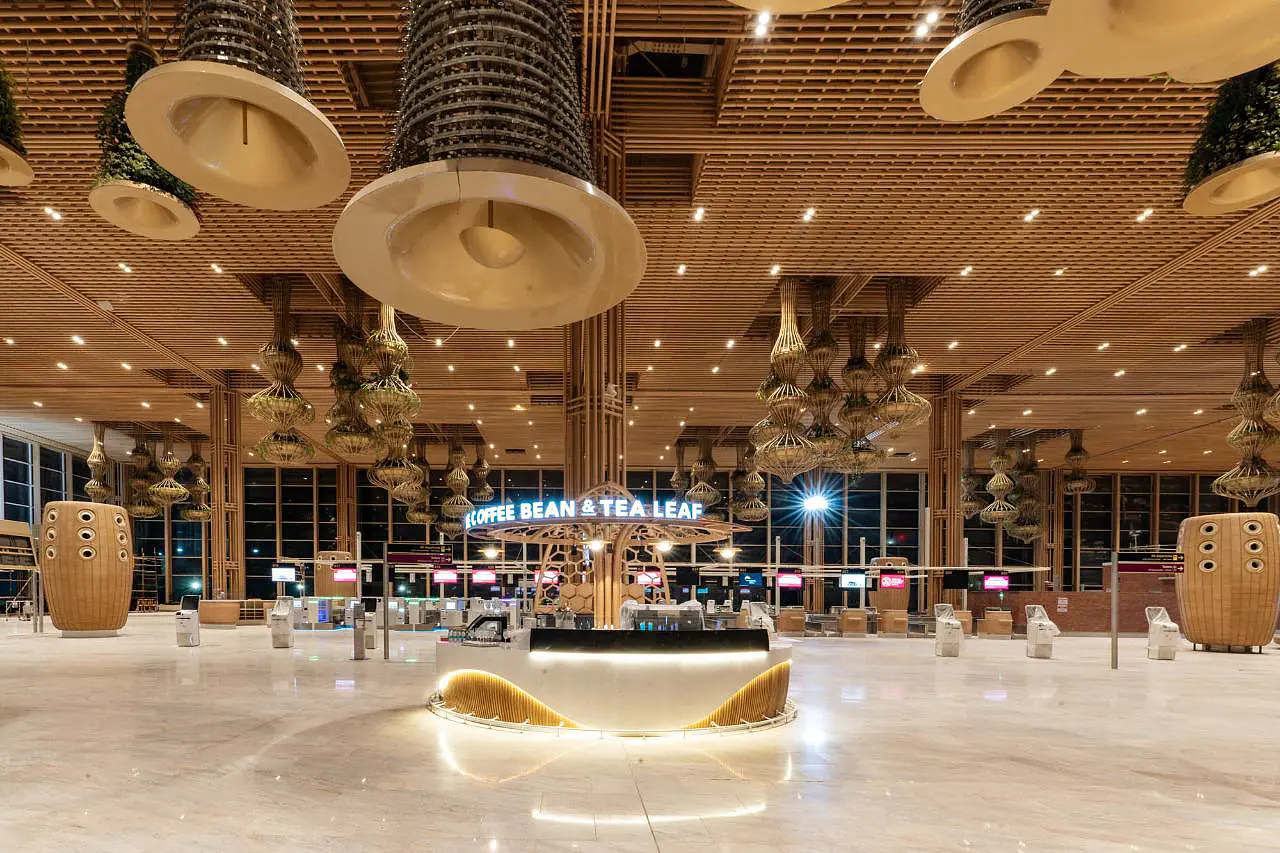
Air travel can often be stressful due to long passenger queues, delayed flights, bright lights, and crowded spaces. For individuals with conditions such as Autism Spectrum Disorder (ASD), Sensory Processing Disorder (SPD), Anxiety, or Post-Traumatic Stress Disorder (PTSD), these factors can make the experience even more overwhelming. Loud announcements and security checks can further add to their discomfort.
To address this, Bengaluru’s Kempegowda International Airport has become the first in India to introduce a sensory room. Strategically located near the international lounge on Level 4 of Terminal 2.
Committed to build an inclusive and passenger friendly airport by offering the latest innovations, Hari Marar, managing director and chief executive, BIAL said, “The addition of the sensory room aligns with our mission to create a seamless and stress-free experience for every traveller, ensuring that inclusivity is not just a feature, but a core value for us."
Backed by behavioural science and occupational therapy research, neurodivergent passengers and those with sensitivity issues can access this facility especially made to enhance passenger experience. It offers a calming sanctuary where these passengers can feel at ease before their flight.
Studies suggest that spending just 15 to 30 minutes in a calm, sensory-friendly environment can significantly reduce stress and improve emotional balance. By offering a soothing space, the airport aims to help passengers feel mentally prepared and comfortable before takeoff.
The sensory room incorporates several carefully curated elements to create a tranquil environment. Here are some of the features of the sensory room-
1. Lighting and visual stimulation
- Bubble tubes, galaxy projectors, and LED cubes provide gentle visual stimulation for relaxation.
- Vibrant wall art and patterned murals promote mental balance and positivity.
2. Tactile and sensory comfort
- Optical curtains, infinity mirrors, and tactile wall panels enhance sensory feedback, helping passengers feel grounded.
- Therapy mats, weighted blankets, and crash pads offer physical comfort and relaxation.
3. Sound and Aroma Control
- White noise machines and sound systems help reduce background noise, creating a peaceful atmosphere.
- Scent diffusers and aromatherapy equipment help alleviate stress and maintain a calming ambiance.
Apart from neurodivergent passengers, young and old alike, people travelling with kids or elderly can also avail the benefits of this room.