Rice prices in Kolkata may jump Rs 3-4/kg as Akvan-hit paddy faces rot
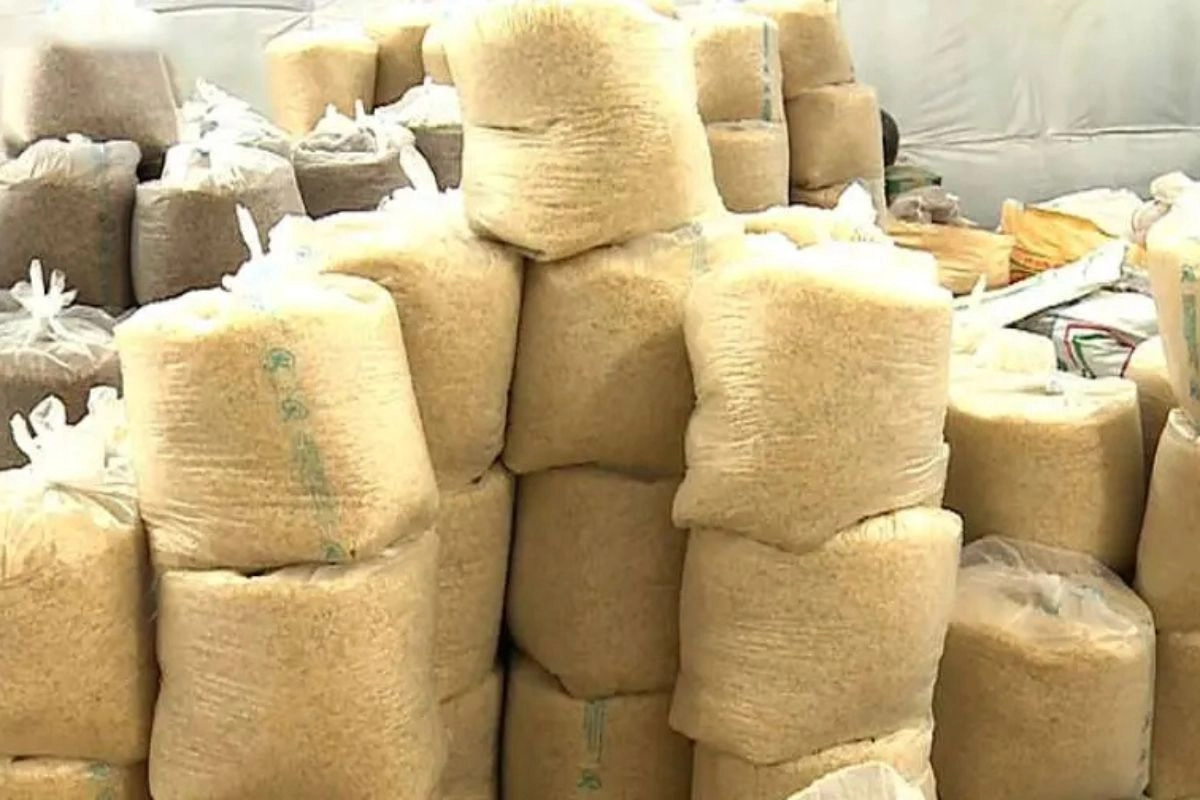
Kolkata: A damaged winter harvest could soon translate into higher grocery bills for households in Kolkata, with successive cyclonic storms and persistent rainfall threatening Bengal’s paddy production.
Vast stretches of agricultural land have been left waterlogged, while strong winds and heavy rain have flattened mature paddy crops, raising concerns about grain losses and a possible rise in rice prices.
The latest spell of adverse weather, triggered by Cyclone Akvan, struck south Bengal just as farmers were preparing to harvest their Aman paddy.
The storm followed two other cyclones, Arnab and Murasu, which affected India's eastern coast within weeks, making the post-monsoon season particularly disruptive for agricultural activities.
The impact has been felt across several important agricultural districts, including East Bardhaman, Hooghly, Nadia, Bankura, East Midnapore and North and South 24 Parganas.
Waterlogged fields and flattened crops have complicated harvesting operations, leaving farmers with the difficult task of salvaging mature grain before further deterioration sets in.
The damage could extend beyond the immediate loss of standing crops. P
addy that remains submerged or exposed to prolonged moisture faces the risk of premature germination and fungal infections.
Even grain that survives the rainfall could suffer a decline in quality, affecting its market value and suitability for milling.
The timing of the rainfall has increased the crop's vulnerability. Aman paddy is a major seasonal harvest in Bengal, and the arrival of freshly harvested grain plays an important role in sustaining the state's rice supply chain.
A substantial decline in marketable paddy could affect the quantity of grain reaching rice mills.
Delays in harvesting, drying and milling could further complicate the supply process, while reduced procurement volumes may push up the costs incurred by millers.
The immediate impact on retail prices, however, remains uncertain. Existing rice stocks could help cushion the market against an abrupt increase in the short term.
But if crop damage significantly reduces the availability of fresh paddy, the pressure could become more visible in the coming weeks.
For Kolkata households, the possibility of a Rs 3-4 per kg increase in rice prices adds another layer of concern amid already expensive vegetables and other essential commodities.
Rice remains a regular household purchase, making even a relatively modest price increase significant for monthly budgets.
The state agriculture department has sought district-wise assessments to establish the extent of crop damage.
Farmers in affected areas have also been asked to report their losses through a dedicated helpline.
For now, the priority remains rescuing whatever grain can still be harvested and preventing further deterioration due to excessive moisture.
The actual scale of the damage and its consequences for market supplies will become clearer as district-level assessments progress.
However, the disruption has already placed Bengal's winter harvest under considerable strain.
If the damage translates into lower marketable production, the consequences could extend from the state's paddy fields to rice markets and eventually to the everyday expenses of consumers in Kolkata.