10 years, 24,000 crore transactions: How UPI changed India
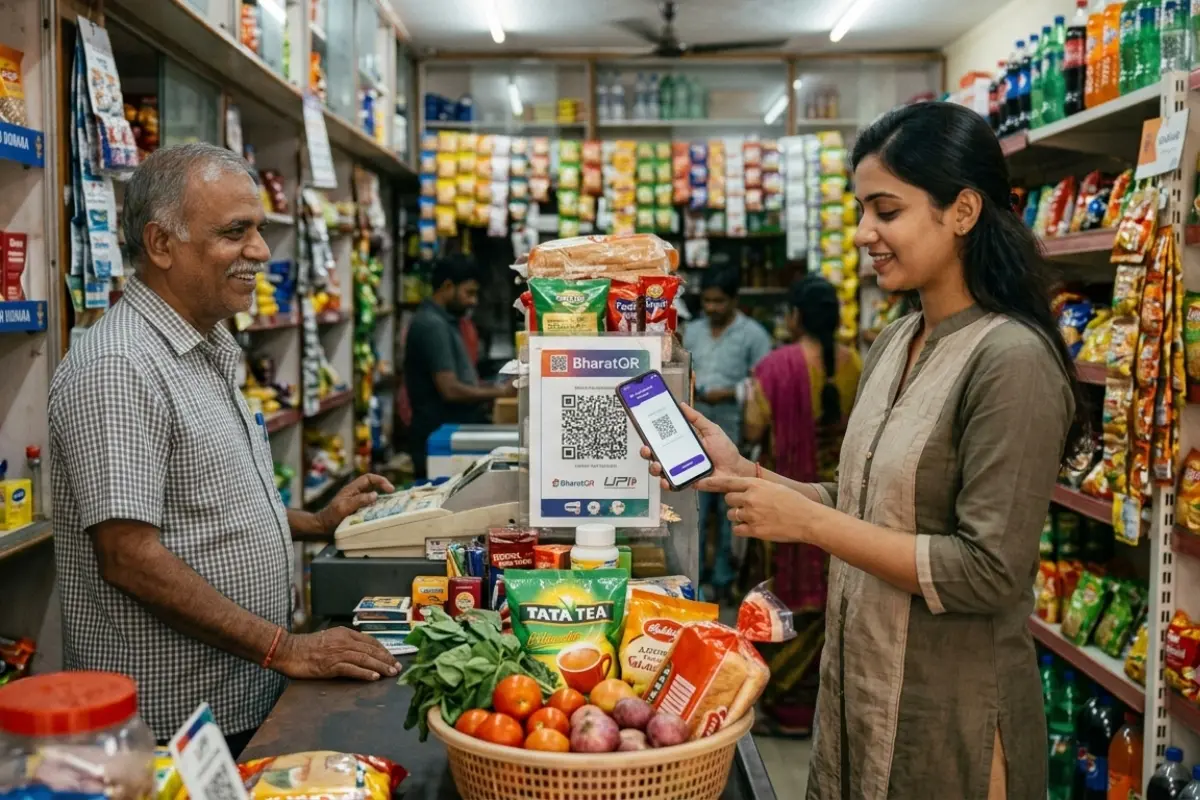
New Delhi: A decade after its launch, the Unified Payments Interface (UPI) has evolved from a new digital payment system into a routine part of everyday transactions in India, with the platform recording a record 2,366 crore transactions in July 2026.
As UPI completes 10 years of operations, the numbers point to a dramatic expansion in both usage and reach, raising a larger question: has India's decade-long digital payments experiment delivered the transformation it promised?
"Every scan tells a story. From students and small businesses to families and entrepreneurs, millions of Indians have embraced UPI as a part of daily life," the Finance Ministry said in a post on X.
From 1.78 crore transactions to over 24,000 crore
UPI began operations in 2016 and has since grown into a nationwide digital payments network used for everything from grocery purchases and payments to local vendors to splitting bills among friends and family.
Annual transaction volumes rose from just 1.78 crore in FY2016-17 to more than 24,162 crore in FY2025-26 — an almost 13,000-fold increase.
Transaction value has similarly surged from Rs 7,000 crore in FY2016-17 to around Rs 314 lakh crore in FY2025-26, representing a more than 4,000-fold increase.
Monthly UPI transactions crossed 2,300 crore for the first time in May 2026, when the platform recorded 2,320 crore transactions. The figure climbed further to a record 2,366 crore in July, with transaction value reaching Rs 29.88 lakh crore.
Has UPI become India's digital payment success story?
The banking ecosystem supporting UPI has expanded alongside its transaction volumes. The number of banks live on the platform increased from 44 in FY2016-17 to 703 in FY2025-26 and stood at 741 as of July 2026.
Merchant payments account for 63 per cent of UPI transaction volume. In FY2026, 86 per cent of person-to-merchant transactions were below Rs 500, indicating that a significant share of UPI's activity is linked to small-value, everyday purchases.
The platform has also expanded beyond India's borders and is now available in 11 countries. According to the Finance Ministry, UPI accounted for nearly 49 per cent of global real-time payment transaction volume in 2025.
"Innovation is when technology becomes invisible in everyday life. A QR code. A phone. A few taps. Payment done," the ministry said, describing the evolution of UPI over the past decade.
The government's assessment is that UPI has become a key pillar of India's Digital Public Infrastructure (DPI), offering an interoperable, real-time platform for peer-to-peer and peer-to-merchant payments.
A decade on, what comes next?
The scale of UPI's growth suggests that the platform has fundamentally changed how Indians make payments. What started with 1.78 crore annual transactions has grown into a system processing thousands of crores of transactions every month.
The next challenge, however, is to sustain that momentum while bringing more users and merchants into the digital payments ecosystem.
The government has said the next phase of UPI's expansion will focus on wider adoption, greater merchant participation, technological advancement and financial inclusion.
A decade after its launch, UPI's transformation from a relatively new payment infrastructure into an everyday financial tool offers one of the clearest examples of India's digital public infrastructure scaling to a population-sized platform.