Worrying trend: Waterborne diseases on the rise in Kerala since 2021
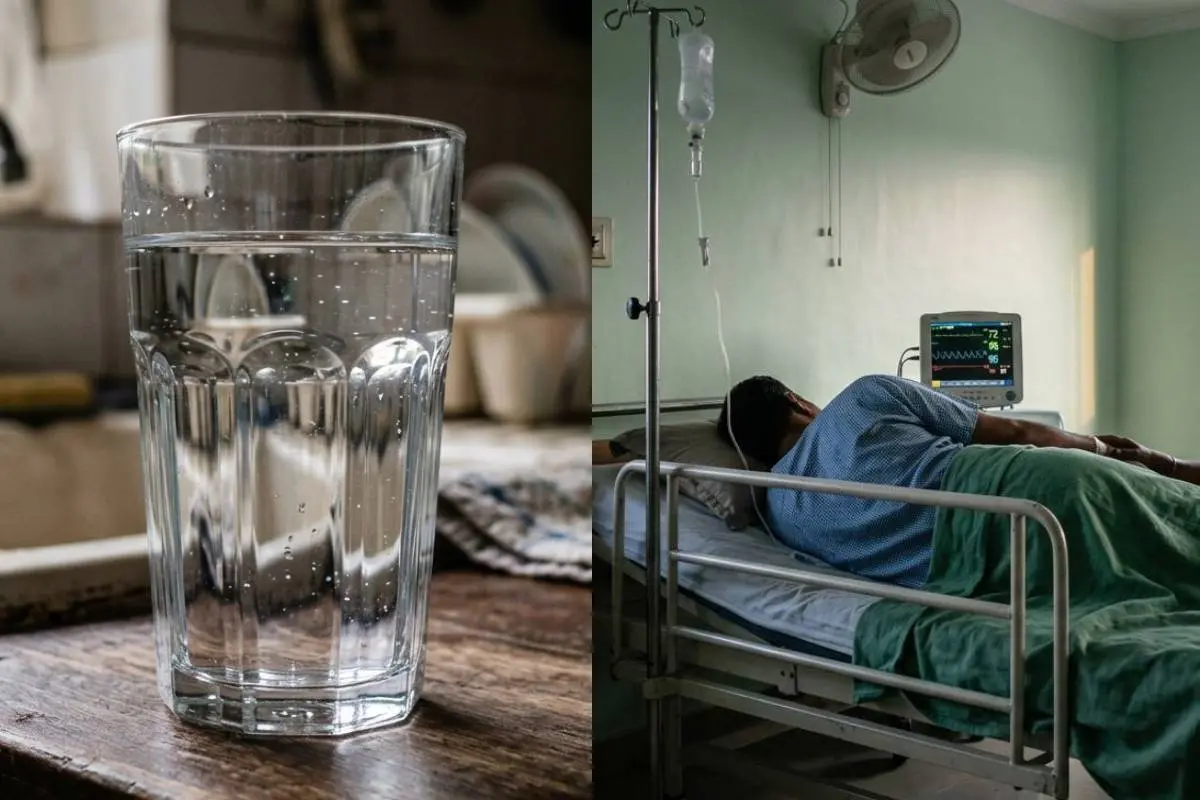
Kottayam: Despite making strides in health indices, Kerala remains wounded by waterborne diseases. An increase in the rate of waterborne diseases has been observed since 2021. Economic Review records point out that contaminated drinking water has led to a considerable rise in diseases such as typhoid, hepatitis A, cholera, and diarrhoea.
A study conducted by the Central Pollution Control Board reveals that 351 sites across 21 rivers in the state are facing severe pollution. The wells for all major drinking water projects are located in these rivers. Due to the antiquity of the pipelines, pollutants are leaking into the supply.
Malaria also turns dangerous; 387 cases so far this year
Malaria, which was previously under control, is spreading rapidly again in the state. By the middle of this year, nearly double the number of cases reported 5 years ago have already been detected. Out of the 387 malaria patients reported this year, all except three are migrant labourers or Malayalis who have returned from other states.
Lapses in monitoring those arriving from other states are assessed to be the reason for the rapid spread of the disease. Malaria was already highly prevalent in states like Odisha, Jharkhand, and Bihar. In 2010, Kerala recorded close to 2,000 cases. Later, through precise control measures, this was brought down to 268 cases within 10 years.
Although most people currently contract the disease from migrant labourers, adequate inspections are not being carried out at their places of residence. There are also shortcomings in the pre-monsoon cleaning drives.