Wild jumbo menace: Kerala saw over 1,240 residential area intrusions since current govt took office
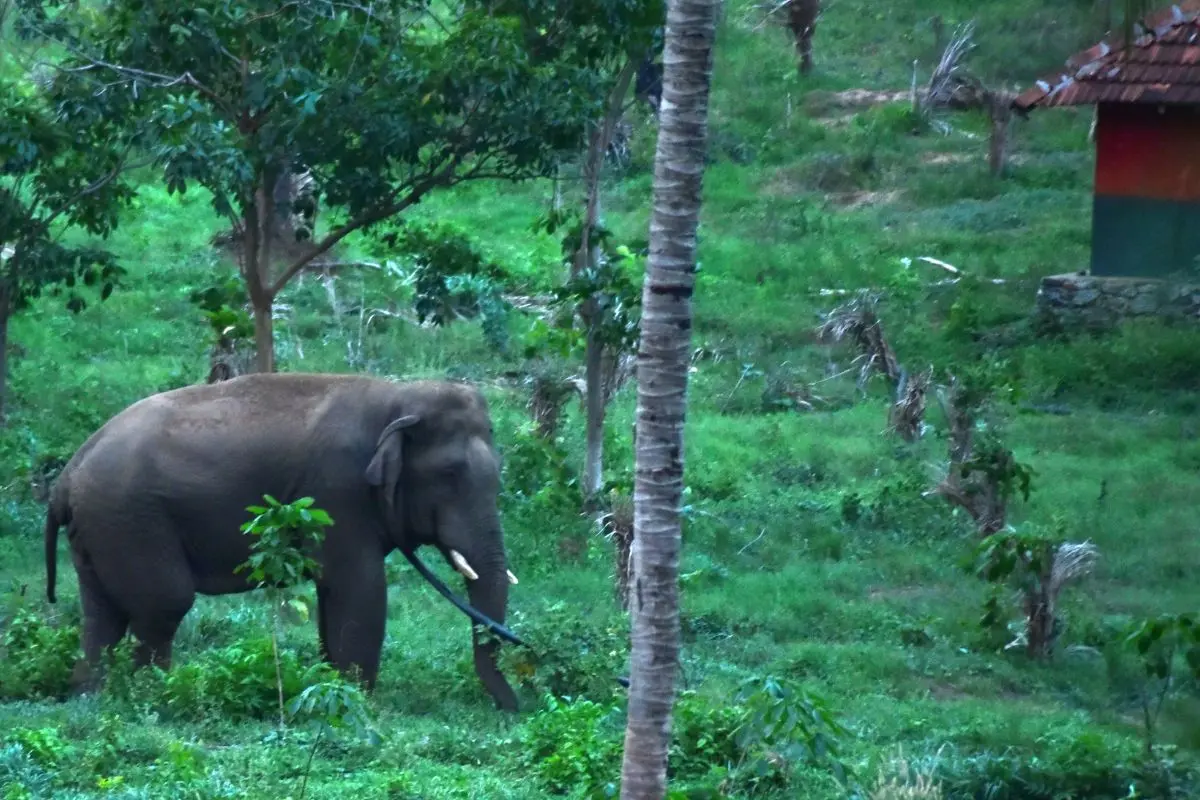
Kerala has recorded 1,244 instances of wild elephants entering residential areas since the current government assumed office, highlighting the scale of the human-wildlife conflict affecting several parts of the state.
The figures were provided by Forest Minister Shibu Baby John in the State Assembly on Wednesday, June 24, in response to questions raised by MLAs U.R. Pradeep and M. Vijin.
According to the data, six people have died and 18 others have been injured in incidents involving wild elephants during the period.
For residents living near forest fringes, elephant incursions remain a recurring concern, affecting both safety and livelihoods.
Deaths, injuries and compensation
The minister said compensation has been provided to families affected by the fatalities.
The first instalment of ₹5 lakh has been disbursed to the families of five of the six victims. Compensation in the remaining case is pending as legal heirs have not yet been identified.
The Assembly was also informed that 18 people sustained injuries in encounters involving wild elephants. The government has provided ₹1,14,280 as financial assistance towards medical treatment for those injured.
Crop losses affect hundreds of farmers
Farmers have borne a significant share of the impact from elephant raids.
According to the minister, 310 farmers reported crop losses caused by wild elephants. The state has so far paid ₹8,83,659 in compensation for the damage.
The compensation was awarded in accordance with guidelines introduced in May 2025.
Government plans technology-based monitoring
The Forest Department is planning to expand the use of technology to tackle the problem of elephants entering human settlements.
The government intends to deploy artificial intelligence (AI) systems and drones to monitor elephant movement and strengthen existing mitigation measures. Rapid Response Teams (RRTs) are also being prepared for round-the-clock operations in areas considered vulnerable to wildlife incursions.
Vision 2031 strategy
The state's long-term approach is outlined in a policy titled Vision 2031 – People First, Science Based, Human-Wildlife Co-existence Model.
The policy proposes scientific management measures aimed at ensuring adequate availability of food and water for elephants within forest areas. Officials believe this could help reduce the movement of elephants into agricultural land and residential settlements.
The strategy also emphasises community participation alongside scientific interventions as part of efforts to manage human-wildlife conflict in Kerala.