WATCH | Why are seeds raining over Kerala forests — can it curb wildlife conflict and boost afforestation?
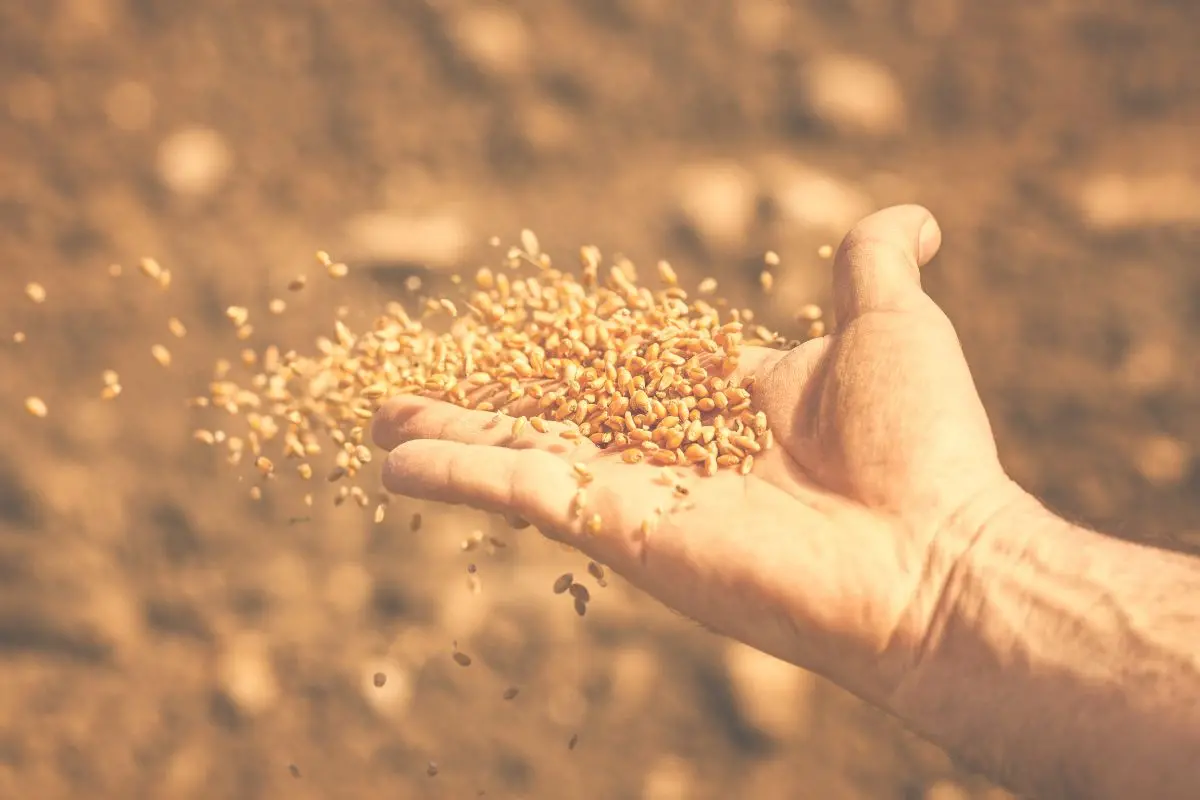
A recent video shared by the Kerala Forest Department on its official social media handle shows officers throwing small round objects into the lush greenery. The post caption referred to it as a “Vitthoot” activity, leaving many viewers curious. What are these objects, and why are they being thrown?
The answer lies in an ambitious ecological mission launched by the department: seed ball dispersal, or Vitthoot, meaning “seed shower.” The initiative uses eco-friendly seed balls to restore forest areas and reduce human-wildlife conflict.
What is the Vitthoot initiative?
Vitthoot is Kerala’s large-scale afforestation effort aimed at improving wildlife habitats by increasing the availability of food and water within forests. The seed balls—made of native seeds, compost, soil, cow dung, and natural fungicides—are designed to germinate where they land, allowing plants to grow without the need for planting saplings.
Running from June 15 to August 15, this project is part of the broader Mission Food, Fodder and Water, aimed at keeping wildlife within forest boundaries. It targets animals like elephants, wild boars, monkeys and deer that often stray into human settlements due to lack of resources in the wild.
Where and how is it being done?
By the first week of July, over 1.33 lakh seed balls had been distributed, with another 4.12 lakh ready. Each forest division identified fire-affected or degraded zones for dispersal. Key districts include Palakkad (21,543 balls), Malappuram (25,805), and Wayanad (22,165). Around 2,000 seed balls are dropped per acre in areas ranging from 10 cents to 3 hectares.
The effort is highly collaborative, involving forest staff, school and college students, NCC and SPC cadets, Kudumbashree members, Haritha Karma Sena, and local clubs, all under the guidance of the Kerala Forest Research Institute.
Is it scientifically effective?
Experts have mixed views. Seed balls are a low-cost, nature-friendly method widely used in dry or damaged landscapes. However, scientists warn that not all seeds may germinate, and if non-native or poorly chosen species are used, it could damage the ecosystem. They also point out that Kerala’s forests often regenerate naturally without human intervention.
The forest department has assured that seeds are carefully selected for each location and that all sites will be monitored for growth.