Union government’s report shows over 46% women overweight in Kerala; underweight men at 15.5%
The latest National Family Health Survey-6 (NFHS-6) has provided an extensive look at life in Kerala for the 2023-24 period. The report, compiled by the International Institute for Population Sciences, shows a state that leads the nation in many areas of development but faces growing challenges from “lifestyle” diseases such as high blood pressure.
This study acts as a vital health check for the state. It measures everything from the amount of schooling children receive to the percentage of adults who have ever used the internet.
Leading the way in digital access
One of the most striking findings is the level of digital penetration across the state. Kerala has achieved some of the highest internet usage rates in India.
The data shows that 87.3% of women and 94.9% of men in Kerala have used the internet.
To put this in perspective, these figures are significantly higher than the national totals of 64.3% for women and 80.5% for men.
Education levels remain equally high, with 86.6% of women having completed at least 10 years of schooling.
High blood pressure and sugar concerns
While the state is a leader in technology, the report highlights a more worrying trend regarding physical health. Hypertension, or high blood pressure, has become a significant issue among adults.
Approximately 31.9% of women and 36.6% of men in the state are either taking medicine to control their blood pressure or have been recorded with high levels.
These figures sit well above the national averages of roughly 19% for women and 22% for men.
Similarly, blood sugar levels remain a concern. Nearly 29% of women and 32% of men have high or very high blood sugar, or are taking medication to manage it.
The ageing state
Kerala’s population structure is also changing faster than many other parts of the country. The state has a noticeably older population.
The survey reveals that 20.7% of the population is now aged 60 years and above.
This is a rise from the 18.6% recorded in the previous survey (NFHS-5) and is much higher than the national average of 12.9%.
This demographic shift suggests that the state will likely need to focus more on geriatric care and long-term health support for the elderly in the coming years.
A weighty health challenge
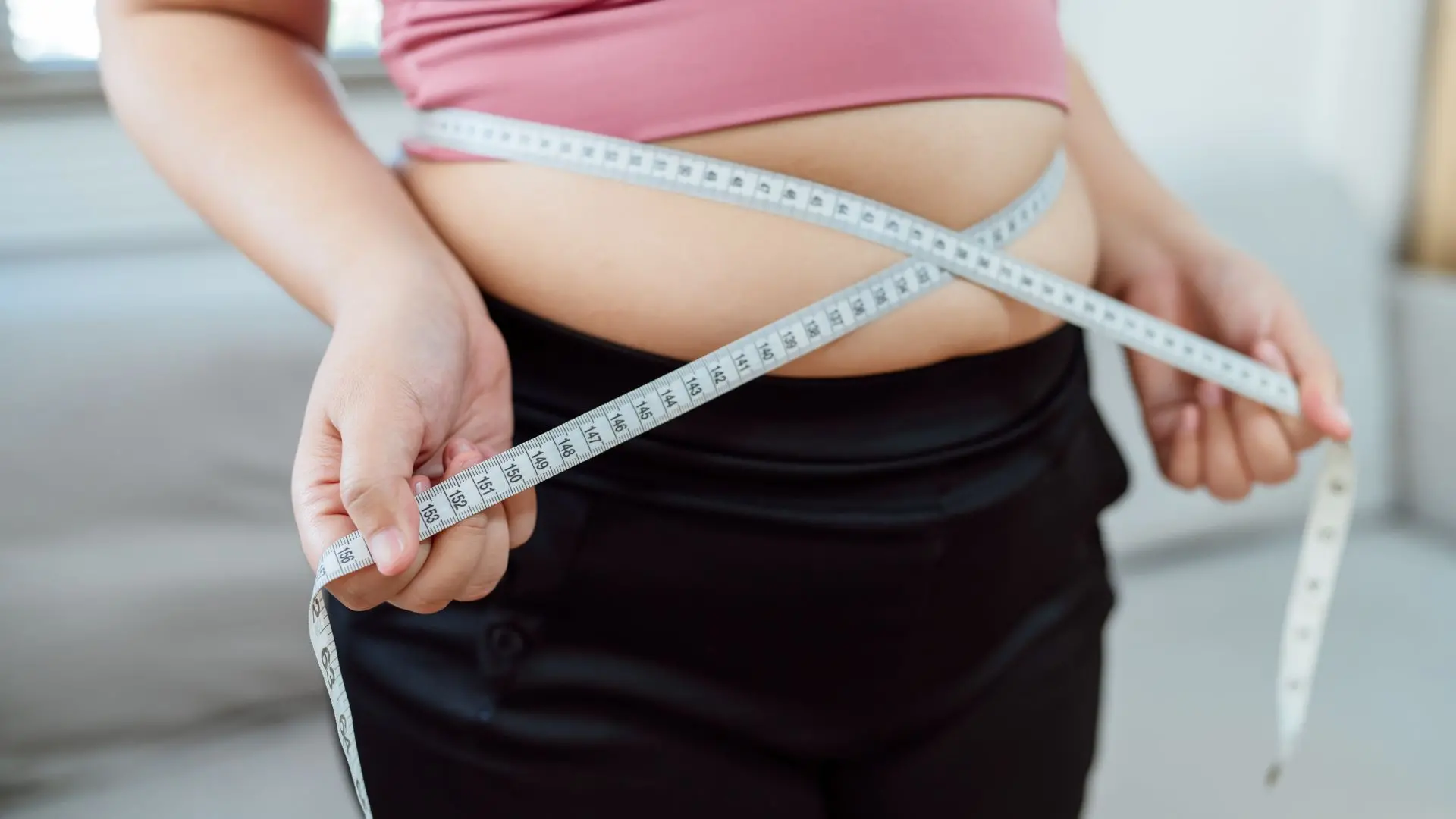
The report sheds light on a “double burden” of nutrition. While more adults are becoming overweight, some groups are actually becoming underweight.
Obesity and overweight categories have seen a sharp increase. 46.7% of women in Kerala are now considered overweight or obese, up from 38.2% just a few years ago.
For men, the figure is 37.0%.
At the same time, the proportion of men who are underweight has risen significantly, from 10.0% to 15.5%.
This shows that while one section of the population is gaining weight, another is struggling to maintain a healthy minimum.
Success in child and maternal welfare
Despite adult health concerns, Kerala continues to show strong results in child health. Vaccination coverage remains robust.
About 84.9% of children aged 12–23 months have received all their basic vaccinations.
Furthermore, nearly every birth in the state (99.1%) now takes place in a hospital or health facility.
When it comes to communicable diseases in children, the prevalence of diarrhoea was recorded at 5.6% in the two weeks before the survey, while symptoms of acute respiratory infections (ARI) were seen in 2.8% of children.
Empowerment and life at home
Women’s empowerment is another area where Kerala continues to show progress, though some domestic issues remain.
The vast majority of married women (96.5%) participate in major household decisions, such as those regarding their own healthcare or large purchases.
Additionally, 89.1% of women now have a mobile phone that they use themselves.
However, the report also shows that 17.7% of women aged 18–49 have experienced violence from a spouse, an increase from 9.8% recorded in the last survey.
Lifestyle choices and habits
The report examined habits among adults in the state.
Tobacco use is relatively low compared to other states, with only 2.2% of women and 15.9% of men using it.
However, alcohol consumption among men is notable, with 22.7% reported to consume alcohol. For women, this figure is very low at just 0.3%.