Understanding 'Qisas': The Islamic law complicating Nimisha Priya's case in Yemen
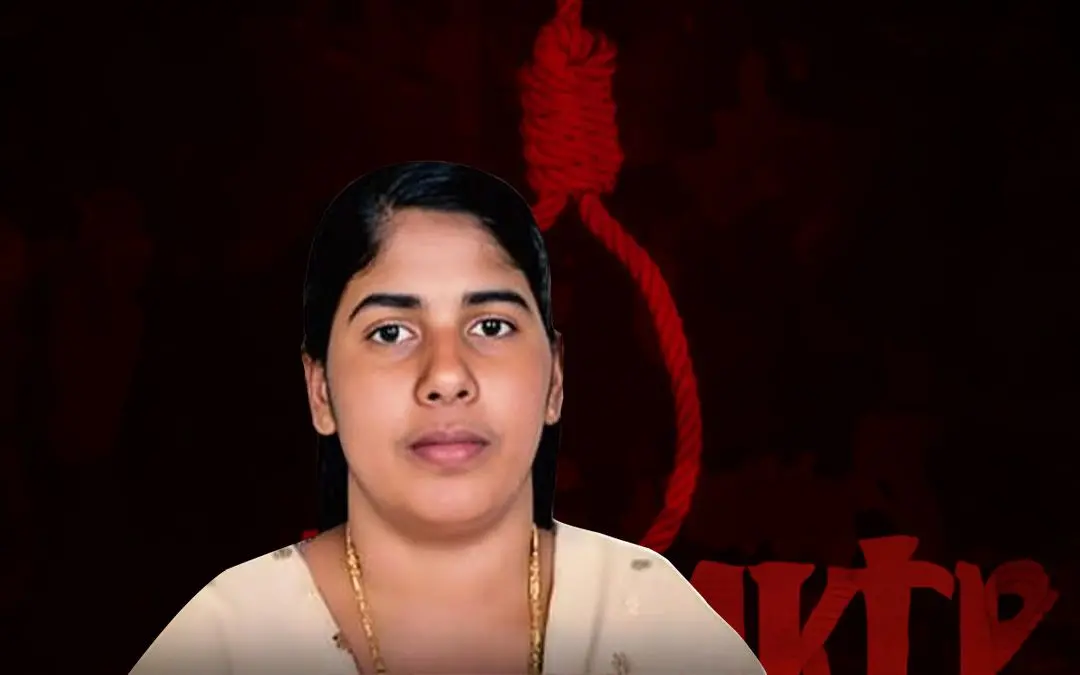
Kochi: Kerala nurse Nimisha Priya, sentenced to death in Yemen for the 2017 murder of Yemeni national Talal Abdo Mehdi, has received a temporary reprieve from execution. However, her future remains uncertain, with the victim’s family firmly rejecting any possibility of a pardon and demanding 'Qisas' — retribution under Islamic law.
Priya, 38, was scheduled to be executed on Wednesday, but diplomatic pressure led to a stay. A new date has not been announced, leaving her on death row as Indian authorities and civil society groups scramble to secure a pardon or sentence commutation.
The biggest obstacle remains the firm stance of Mehdi’s family. Speaking to the BBC, the victim’s brother, Abdelfattah Mehdi, ruled out any reconciliation or financial settlement. “Our demand is clear: Qisas and nothing else, no matter what,” he wrote in a Facebook post, slamming Indian media reports that alleged the family was more interested in receiving ‘blood money’ — or diyah — than justice.
What is Qisas?
‘Qisas’ is a principle in Islamic jurisprudence that allows for proportional retaliation, often summarized as “an eye for an eye.” It is grounded in Chapter 2, Verse 178 of the Quran and entitles victims’ families to either demand retribution or offer clemency in exchange for compensation. In this case, the Mehdi family insists Priya must face death as retribution for what they allege was an intentional murder.
Qisas is not uniformly applied in Islamic countries, and courts can exercise discretion. However, Yemen has one of the world’s highest per capita execution rates, compounded by the influence of the Houthi rebels who dominate parts of the country.
The Case So Far
Nimisha Priya moved to Yemen in 2011 seeking better job prospects. After working in a hospital, she opened a medical clinic, partnering with Talal Mehdi — a local man she allegedly later married. Their relationship reportedly soured after Priya accused him of abuse and withholding her passport.
In 2017, she attempted to sedate Mehdi to recover her documents. He died during the attempt, and she was caught trying to dispose of the body, which had been dismembered and placed in a water tank. Yemeni authorities arrested her as she prepared to flee. She was convicted in 2018 and sentenced to death in 2020.
Diplomatic Efforts and Challenges
India’s embassy in Riyadh, in coordination with a local Indian activist, Samuel Jerome, is leading ongoing negotiations. Jerome said that recent media speculation over a $1 million blood money offer had upset the Mehdi family, complicating talks. Still, he hopes to rebuild trust and resume discussions.
The Indian government remains involved but has acknowledged limits. Attorney General R Venkataramani told the Supreme Court this week that diplomatic options are nearly exhausted. “There is a point till which we can go... we have reached it,” he said.