Six months of UDF rule in Kerala: A historic 102-seat victory now faces internal rifts and governance challenges
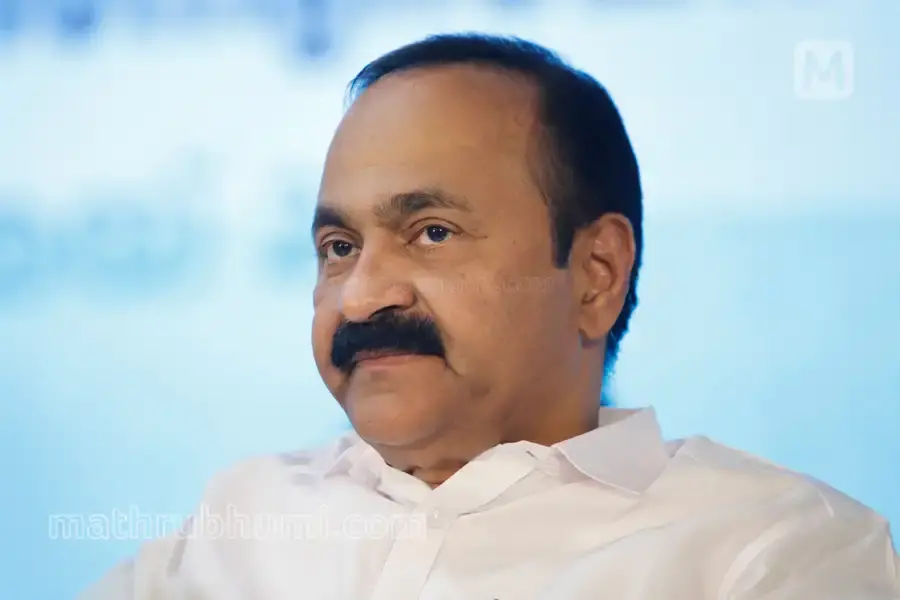
Thiruvananthapuram: The United Democratic Front (UDF) government in Kerala completes six months in office on Wednesday, having come to power with 102 seats and ending ten years of Left Democratic Front (LDF) rule.
The government's initial momentum was built around Chief Minister V.D. Satheesan's vision of a 'New Age Kerala', with promises of development, welfare expansion and investor-friendly reforms. However, the early months have also exposed internal disagreements, political controversies and differences within the ruling alliance.
The dispute over the chief ministerial position following the election victory initially affected the government's political momentum. Although Satheesan subsequently began his tenure with an ambitious development agenda, several controversies have since complicated the administration's first six months.
Welfare promises and development initiatives mark first six months
The government has highlighted several welfare measures as evidence of its efforts to fulfil election promises.
The Priyadarshini scheme was introduced to provide free travel for women. The government also increased the wages of ASHA and Anganwadi workers following assurances made during the ASHA workers' protest.
Welfare pensions continued to be distributed, with the government also indicating its willingness to increase the amounts. Pending arrears were cleared as part of its welfare commitments.
On the development front, the government announced Mission Samudram, an initiative intended to integrate maritime, land and aviation infrastructure into Kerala's broader development plans.
It also introduced the Saral Act and Maritime Board Act as part of efforts to improve the state's investment environment. A draft proposal was prepared to reform the Land Reforms Act.
The government further launched Operation Toofan against the illegal chemical drug trade, with enforcement action targeting those involved in narcotics distribution.
These initiatives have formed a significant part of the administration's early policy agenda.
Internal disputes and controversies challenge the government
Despite its welfare and development announcements, the government has faced criticism over political coordination and administrative decisions.
A sponsored flight journey undertaken shortly before Satheesan assumed office attracted criticism. The appointment of relatives to the personal staff of Minister Sunny Joseph also became a contentious issue.
The government's decision to move away from its earlier position on PM-SHRI, a central government school education initiative, triggered political disagreements.
Another controversy emerged over proposals to permit lower-strength alcoholic beverages. The issue reportedly created differences within the Congress and the wider UDF alliance.
The government's promise of uninterrupted electricity supply also came under scrutiny after concerns about power shortages emerged.
Satheesan reportedly described the claims of a power crisis as unfounded, while the Power Minister acknowledged the situation differently. The contrasting statements highlighted a lack of coordination within the administration.
Congress coordination remains a concern
Differences between the government and the Congress organisation have emerged as another challenge.
The Kerala Pradesh Congress Committee (KPCC) had initially called for closer coordination between the party and the government, including the formation of a committee to ensure cooperation.
However, the first six months have reportedly seen limited progress on that front.
The dispute over the distribution of positions in boards and corporations also exposed disagreements within the ruling alliance.
UDF convener Adoor Prakash was among the first alliance leaders to publicly raise concerns about the government's functioning. Disagreements over appointments and political coordination have added to the pressure on the alliance.
The government's critics have also questioned the concentration of decision-making around the Chief Minister, arguing that ministers and other party leaders have not been adequately involved.
Weak opposition gives UDF political breathing space
The article also points to the difficulties facing the LDF as a factor that has reduced political pressure on the ruling government.
After losing power, the Left has faced challenges in reorganising its alliance and coordinating its opposition activities.
The LDF has also been dealing with investigations into alleged irregularities during its previous tenure.
Issues involving the Kerala Infrastructure Investment Fund Board (KIIFB) and alleged irregularities in Public Service Commission (PSC) appointments have become politically sensitive.
Meanwhile, investigations involving former Chief Minister Pinarayi Vijayan and his family have added to the political challenges facing the opposition, although allegations and investigations must be distinguished from established wrongdoing.
The UDF government has frequently referred to the previous administration's shortcomings while responding to criticism of its own decisions.
As it completes six months, the administration faces the challenge of converting its electoral mandate and initial announcements into sustained governance while managing disagreements within its own alliance.