TVM’s popular Rs 10 City Circular e-bus service scrapped; Minister–Mayor lock horns
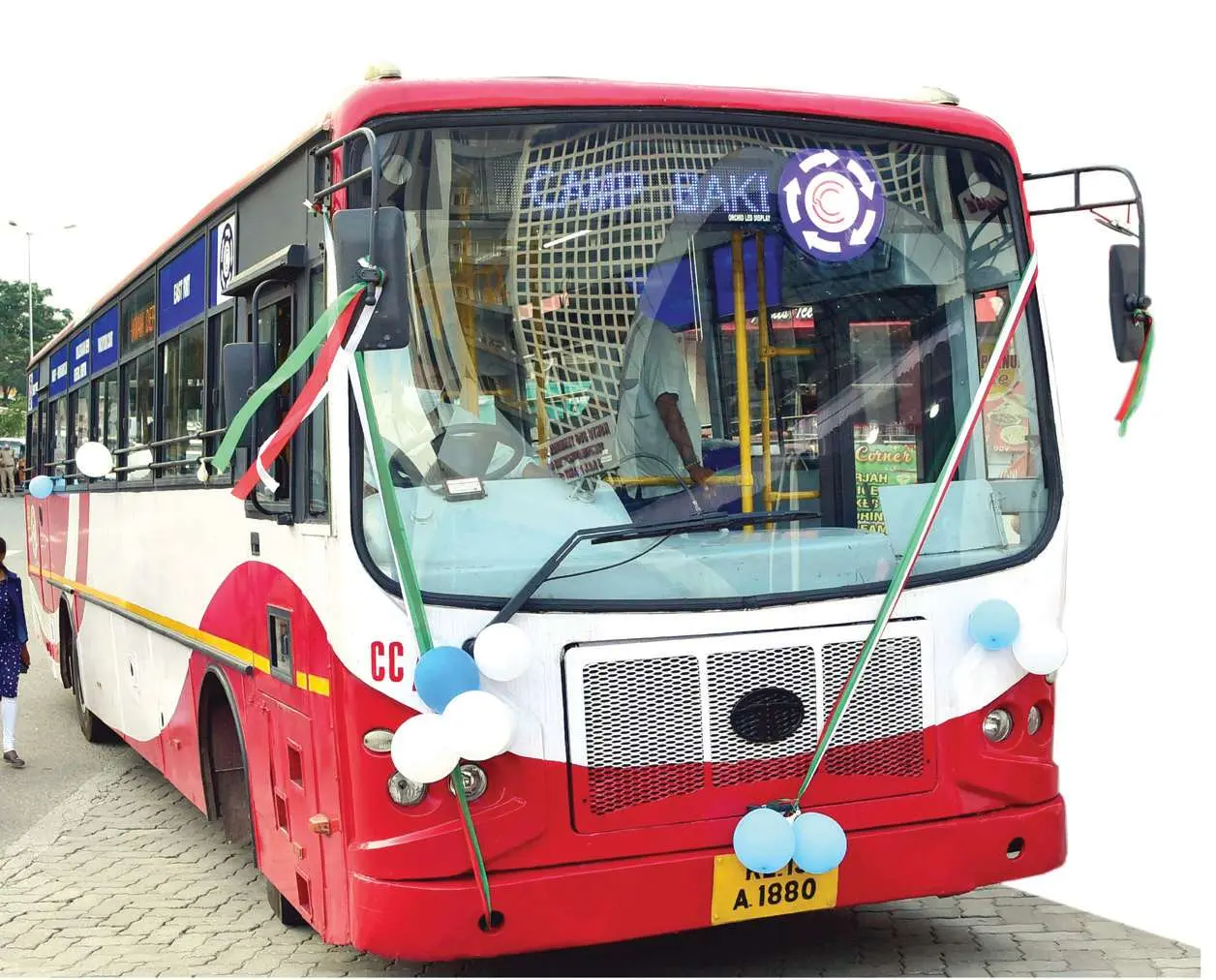
Thiruvananthapuram: City residents have been left without one of Thiruvananthapuram’s most popular public transport options following a public dispute between the Mayor and the Transport Minister over the KSRTC City Circular e-bus service.
The City Circular service, introduced to connect neighbourhoods with limited or no regular bus connectivity, quickly gained traction due to its low fare and wide coverage. Passengers could travel distances of 15 to 20 km for just Rs 10, making it one of the most affordable urban transport options in the capital.
The e-buses served several areas previously underserved by public transport, including PTP Nagar, Valiyavila, Vanchiyoor, Mudavanmughal, Maruthamkuzhi– Kochar Road, Vayalikkada–Kuravankonam Road and Nanthancode–Kuravankonam Road. The service also offered real-time bus tracking, improving commuter convenience.
Routes and schedules were finalised following a scientific study, benefiting low-income residents, particularly women engaged in domestic work and daily wage labourers. The service, introduced under former Transport Minister Antony Raju in coordination with KSRTC, was projected as both commuter-friendly and financially viable.
However, the City Circular service was discontinued following a change in the transport portfolio. Allegations later surfaced that pressure from private bus operators contributed to the withdrawal. During Arya Rajendran’s tenure as Mayor, a formal complaint was filed against the removal of these buses from the district. Although 113 buses were later returned, the circular service itself was not restored.
The current Transport Minister has defended the decision, citing financial losses from the Rs 10 fare structure. According to official figures, the City Circular carried around 76,000 passengers daily. The service was gradually dismantled by renaming it as ‘Fast’, repeatedly increasing fares and cutting routes, leading to its eventual closure.
The minister has claimed that revenues have since increased after ticket prices were raised nearly threefold.
Questions have also been raised over the implementation of the original agreement related to the procurement of 115 e-buses. It is alleged that KSRTC failed to adhere to clauses requiring consultation with the corporation before finalising routes or revising fares, with decisions taken unilaterally.
The e-buses were procured at a cost of around Rs 115 crore under the Smart City mission to reduce air pollution and promote green mobility in Thiruvananthapuram. Designed for operation on narrow urban roads, the City Circular e-buses were aligned with the state’s green transport policy. In addition, KSRTC operates around 50 more e-buses purchased using KIIFB funds.
The issue
The introduction of electric buses under the KSRTC during the second Pinarayi Vijayan government marked a major shift in the city’s public transport, aimed at replacing ageing vehicles and boosting commuter access. The initiative, implemented when Antony Raju served as Transport Minister, included a low Rs 10 fare to attract passengers who had moved away from public transport during the Covid-19 pandemic. The strategy proved effective, with buses reaching inner city areas and narrow alleys, carrying an average of 600 passengers daily.
Despite high ridership, revenue remained limited at around Rs 6,000 per day for a bus costing nearly Rs 1 crore. When K B Ganesh Kumar assumed the Transport Ministry, he moved to increase revenue, discontinuing the Rs 10 fare and aligning ticket prices with standard KSRTC rates. While passenger numbers on electric buses declined, revenue per bus increased, highlighting the operational profitability of the service.
According to KSRTC data, the operational cost per kilometre for electric buses, including electricity and staff salaries, is Rs 23, while average revenue per kilometre stands at Rs 35. In contrast, diesel buses incur a cost of Rs 74 per kilometre. Use of Swift employees for electric bus operations saves approximately Rs 12 lakh per month in salaries, with additional savings on maintenance since electric buses do not require diesel or regular oil changes.
However, Ganesh Kumar has publicly questioned the long-term value of electric buses. He has argued that the high upfront cost of Rs 1 crore per electric bus and the expense of battery replacement (Rs 25–28 lakh in the fifth year) make diesel mini buses a more economical alternative. Critics say the minister’s stance reflects a preference for short-term cost savings over sustainable transport solutions.
The issue has escalated into a public clash between Minister K B Ganesh Kumar and Thiruvananthapuram Mayor V V Rajesh, who support the Smart City electric bus initiative. Ganesh Kumar has stated he is willing to return 113 e-buses provided to KSRTC by the corporation if requested, signalling his disapproval of the current electric bus programme.