Kite flying and bird strikes endanger aircraft safety at Thiruvananthapuram airport
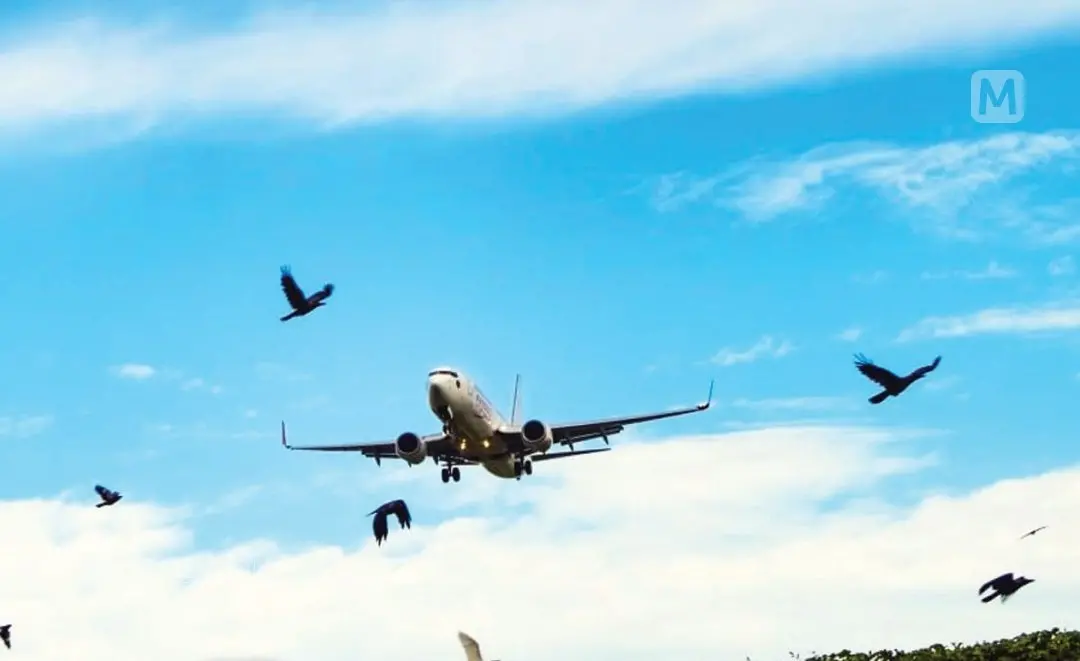
Thiruvananthapuram: The recurring incidents of birds being spotted along aircraft flight paths and kites being flown by locals have become persistent problems at Thiruvananthapuram Airport. Despite a ban imposed by the district administration, kite flying continues unabated near the airport, posing serious safety risks.
On Saturday evening, four aircrafts were unable to land and had to be diverted due to a kite flying approximately 200 feet above the runway. Additionally, two planes scheduled for departure were held back in the parking area.
In response to the hazardous situation, the Air Traffic Control (ATC) reported the incident to the Directorate General of Civil Aviation (DGCA). However, attempts by the police to identify the individual flying the kite near Valiyathura proved unsuccessful, leading to no case being registered.
Four years ago, an incident happened when a thread from a kite got entangled in the left engine of a flight arriving from the Maldives to Thiruvananthapuram. Despite extensive searches by airport authorities and the police, the culprits were never found. Regulations prohibit kite flying within a 10-kilometer radius of the airport.
The district administration had issued an order banning kite flying in the area, but the practice continues, blatantly ignoring the law. Officials warn that individuals caught violating the rules could face legal action under Section 11 of the Aircraft Act, 1934, which includes penalties of up to ₹10 lakh and two years of imprisonment.
Saturday's incident at the runway
Before the aircraft landing, ground security officers (apron staff) carried out their routine runway inspection. During this time, they noticed a kite flying about 200 feet above the runway near the Muttathara-Ponnara bridge area.
The apron staff immediately informed the Air Traffic Control tower, which declared the situation critical. Fire and security personnel at the airport attempted to bring down the kite, but their efforts were unsuccessful. The situation normalized only after the kite fell on its own at around 6:20 p.m., allowing flights to land and take off.
Airlines face losses in crores
A total of 51 bird-hit incidents involving passenger flights and military or private aircraft have been reported at Thiruvananthapuram Airport. These incidents often result in severe technical damages to aircraft, leading to substantial financial losses for airlines.
Birds like eagles, crows, and herons are attracted to food waste and poultry waste dumped along flight paths. Four months ago, an Air India flight experienced engine damage after a heron collided with it during landing. While the aircraft was eventually repaired and resumed operations, technical faults forced the plane to return to the airport.
In another instance, a large eagle collided with the nose gear of an Oman Airways flight, causing damage to the braking system. The plane remained grounded for two days, resulting in significant losses for the airline. In a separate case, an owl struck the engine blades of a departing flight, while a sparrow hit the nose radar system of another aircraft.
Such incidents compel airlines to spend heavily on replacement parts, hiring technical experts, and ferrying spare parts using empty flights. Additionally, passengers have to be often accommodated in hotels when flights are delayed due to bird-hit incidents, resulting in huge expenses for the flight company. Pilots have repeatedly raised concerns about the dangers posed by birds along flight paths.
Waste management plant at Muttathara
To address the issue of waste dumping near the airport, a processing plant is being set up in Muttathara to handle waste from slaughterhouses and other sources along the Muttathara-Valiyathura St Xavier’s Church road.
The plant, to be constructed on one acre of land at an estimated cost of ₹3.5 crore, aims to prevent the dumping of meat waste near flight paths. The tendering process for the project is expected to be completed next week.
The plant will be constructed at a cost of ₹3.5 crore, including ₹1 crore from the Adani Company's Corporate Environmental Responsibility Fund and the rest from the contractor's share.