Transgenders to contest elections from seats reserved for women — what happened in Kerala and why it can create ripples
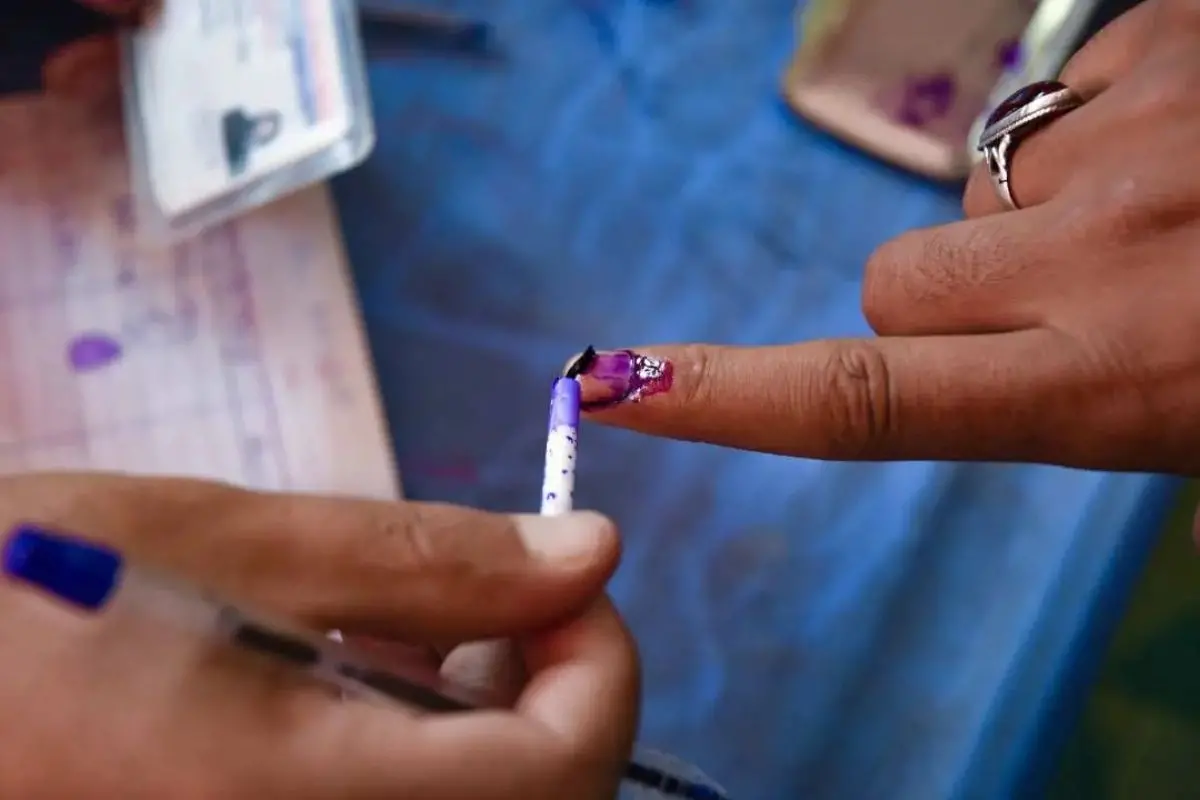
In a landmark moment for gender inclusivity, two transgender women have received official approval to contest in Kerala’s upcoming local body elections from women’s reserved seats. The move marks a progressive step in the state’s democratic landscape.
Eligibility questioned
In Thiruvananthapuram District Panchayat’s Pothencode Division, Ameya Prasad, a Congress-led UDF candidate, initially faced legal and procedural concerns. Her voter list mentioned “transgender,” raising doubts about whether she could contest in a women’s reserved seat.
The High Court ruled that the Returning Officer had the authority to decide eligibility. Following scrutiny of Ameya’s official documents, all of which recognise her as a woman, the nomination was confirmed valid. Ameya called the approval a victory for inclusivity and democratic rights.
Misinformation
In Alappuzha District Panchayat’s Vayalar Division, UDF candidate Arunima M. Kurup, a trans woman, faced allegations questioning her eligibility to contest from a women’s reserved seat.
Arunima’s Voter ID, Aadhaar, and election records clearly identify her as female. No objections were raised during scrutiny. She said:
"All my documents identify me as a woman. I underwent gender affirmation surgery at 19. There should be no legal difficulty. Those spreading misinformation lack awareness about gender and sexual minorities."
She added that her candidature strengthens UDF’s prospects in Vayalar and described attempts to undermine her as politically motivated.
Significance for Kerala politics
Both candidacies represent a major shift in Kerala’s local governance framework, acknowledging transgender individuals’ right to political representation. Their entry into the electoral arena is seen as both a personal triumph and broader social recognition for gender minorities in public life. Some suggest the move could influence legal and electoral reforms across India.