Tamil Nadu takes tough stand on Parambikulam-Aliyar deal; Kerala faces water shortage
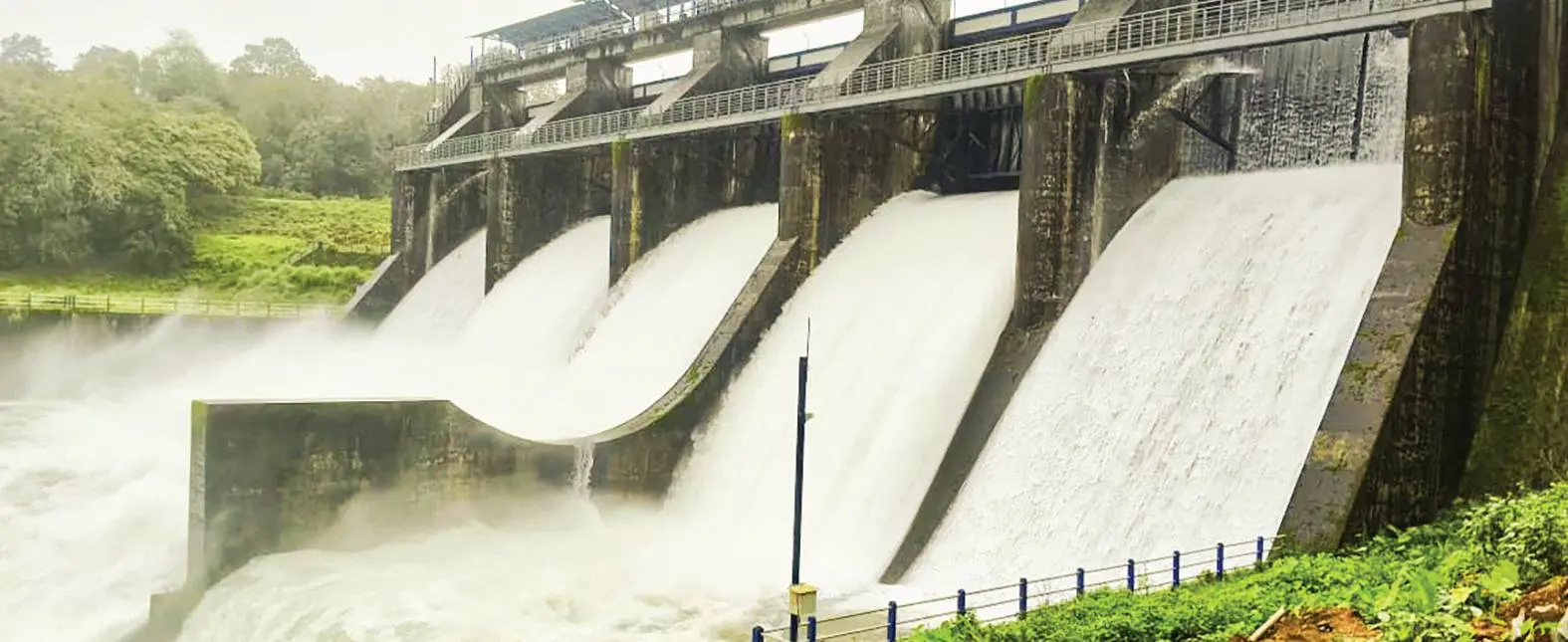
Kochi: Kerala stands to lose 8000 crore litres of water after Tamil Nadu decided not to release the agreed share under the Parambikulam-Aliyar water-sharing agreement. Besides affecting agriculture and drinking water projects in Chittur in Palakkad and the Chalakkudy region in Thrissur, the decision is also expected to hit power generation at Sholayar.
A meeting between officials from Kerala and Tamil Nadu held in Kothamangalam on Friday ended without a resolution. Further discussions at the secretarial or government level may now be necessary.
Under the agreement, Tamil Nadu has so far released only 65 per cent of Kerala's allocated water for the period from September 1 to February 1. The meeting was held to discuss the remaining allocation.
Kerala demanded 4.3 TMC (thousand million cubic feet) of water from early November to the end of March, as stipulated in the agreement. However, Tamil Nadu maintained that it could release only 1.5 TMC, the quantity required for drinking water needs.
Under the agreement, Tamil Nadu must release 12.3 TMC of water through the Sholayar Dam into the Chalakudy River and 7.25 TMC for the Chittur region of Palakkad. One TMC is equivalent to 2,831 crore litres of water.
Since last year, Tamil Nadu has reduced the quantity of water released to Kerala. The main reason is believed to be Kerala's decision to upgrade the Sholayar powerhouse and increase electricity generation. Earlier, Kerala generated 23.3 crore units of electricity using the water allocated under the agreement. Following the renovation of the powerhouse in 2020, generation increased to 26.3 crore units.
The Parambikulam-Aliyar agreement does not specify electricity generation as a measure for calculating the quantity of water supplied. However, since there was no mechanism to directly measure the 12.3 TMC of water, both states had agreed to estimate the quantity based on the water used for power generation.
Under this arrangement, generating 23.3 crore units of electricity was considered equivalent to Kerala receiving 12.3 TMC of water.
Tamil Nadu, however, has refused to accept that the upgraded powerhouse can generate more electricity using less water than before. It has maintained that a fresh study is required to determine the revised water-to-power generation ratio.