SC stays stringent restrictions on elephant parading, raps Kerala HC over impractical mandates
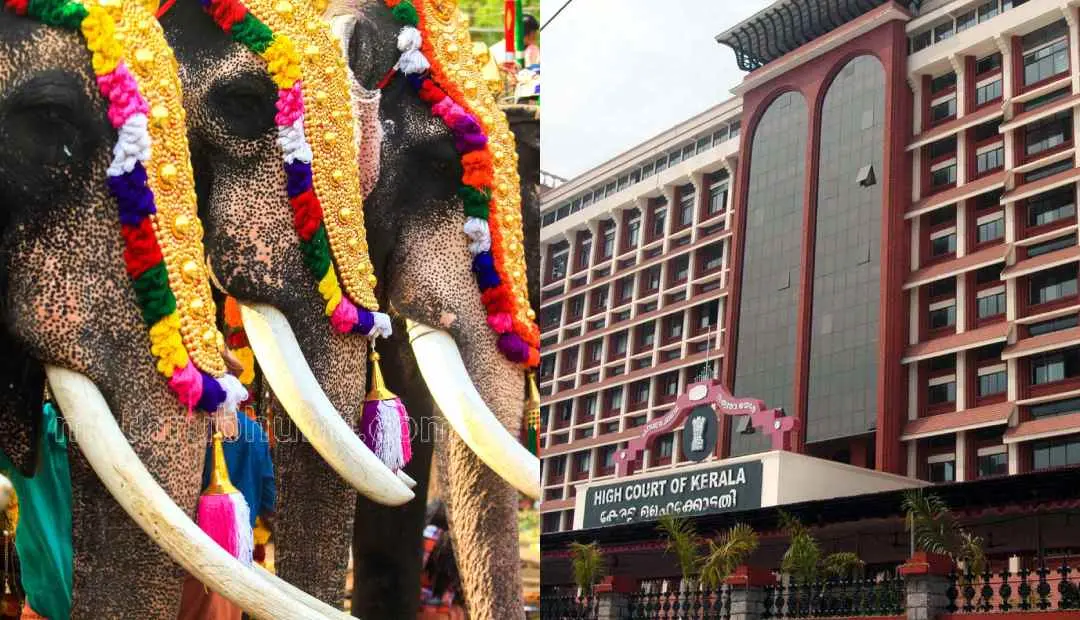
New Delhi: The Supreme Court on Thursday ruled that elephant parading in Kerala can proceed in accordance with the 2012 guidelines, staying the stringent restrictions previously imposed by the Kerala High Court. The Court emphasised that the High Court's order, which included impractical measures, was not in line with the established protocols.
The Supreme Court expressed concerns about the feasibility of several restrictions in the High Court's order. The directive to maintain a three-metre distance between elephants was questioned, with the Court pointing out the difficulty of enforcing this. Furthermore, the High Court's ban on processions between 9 AM and 5 PM was deemed unrealistic, as most celebrations occur after 5 PM, making the restriction unworkable.
The apex court noted that the High Court has no right to make laws, which should be the responsibility of the government. It also issued notices to the state-union governments and other respondents concerned to ascertain their stance on the matter.
Background
The High Court on November had issued strict guidelines, emphasising public safety and the need for elephants to maintain a three-metre distance. It also stated that such processions were not essential to temple rituals. Exceptions were to be made only for essential rituals, with the Court stressing the importance of adherence to the 2012 guidelines.
The High Court clarified that its directive was not intended to prohibit elephants but to ensure safety standards were met. It had previously called for a new regulation on elephant processions, but as no government intervention had occurred, the Court took it upon itself to enforce the guidelines. The High Court had also made it clear that, until new regulations were introduced, the existing guidelines should remain in force.
The High Court's guidelines sparked protests from various groups. When officials sought relaxations, the Court responded firmly, stating that this was not the era of monarchy. It reminded that practices justified by the colonial period were outdated and should not continue in a democratic society.
Following this only, the management committees of Thiruvambady and Paramekkavu Devaswoms, key participants in the Thrissur Pooram, challenged the High Court ruling. The Devaswoms argued that the guidelines would disrupt the two-century-old festival, particularly due to the spatial constraints imposed on the Vadakkumnathan Temple, a UNESCO heritage site. The petitioners, including eight other temples, requested the quashing of the orders and an interim stay on their implementation.