₹500 footwear to cost at least ₹550 in Kerala from November 1; manufacturers cite Middle East crisis
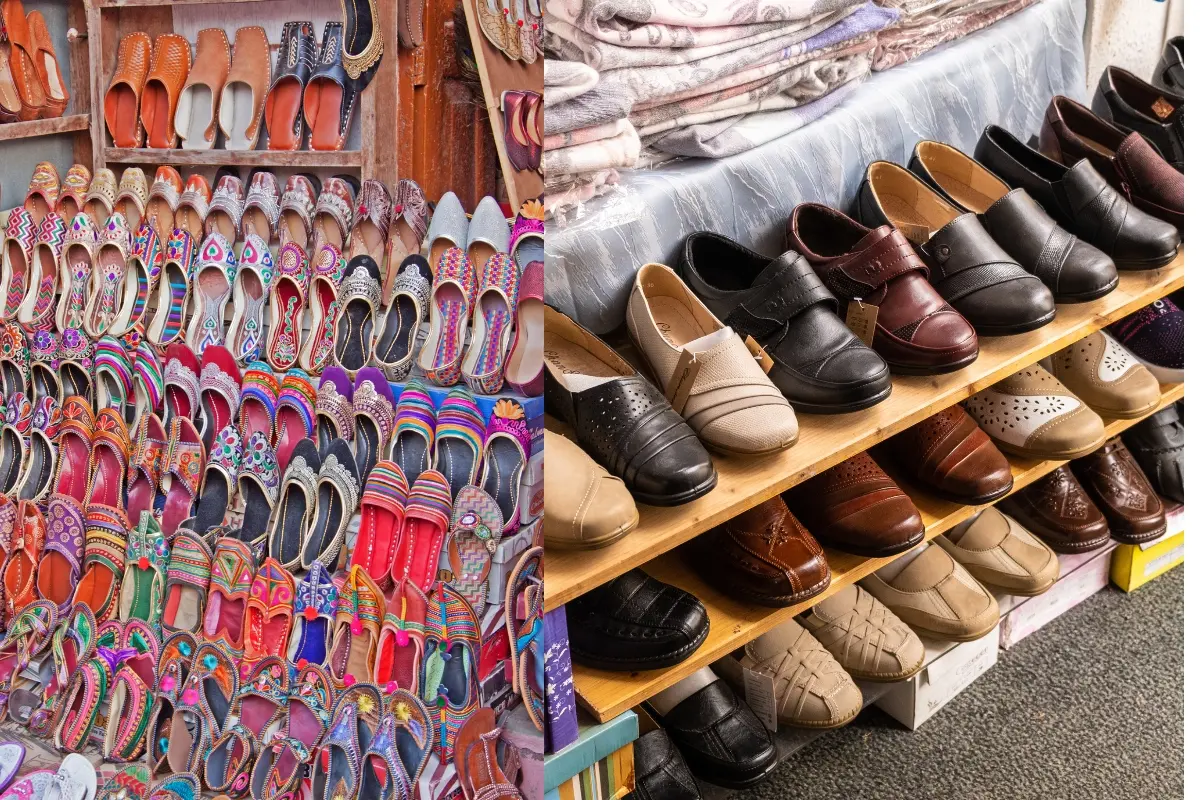
The Middle East crisis and disruptions to shipping through the Strait of Hormuz are set to make footwear more expensive in Kerala, with manufacturers announcing a minimum 10 per cent price hike from November 1. A pair of shoes or sandals currently priced at Rs 500 could cost at least ₹550 after the increase, if the hike is applied to its existing price.
The decision was announced at a joint press conference in Kozhikode by the Footwear Manufacturers Association of Kerala (FOOMA) and the Confederation of Indian Footwear Industry (CIFI).
Manufacturers said they had absorbed rising costs for months but could no longer continue doing so without passing part of the burden on to customers. The increase, they said, was necessary to protect small businesses and safeguard workers' jobs.
Middle East crisis pushes up raw material costs
Manufacturers attributed the proposed price hike primarily to a sharp rise in raw material costs, which they said had increased by 40 to 60 per cent.
Ongoing tensions in the Middle East and the closure of the Strait of Hormuz have disrupted shipping routes for petroleum-based supplies. This has affected the availability and cost of materials used in footwear production, including polyurethane, synthetic rexine, PVC, EVA, soles, adhesives and packaging materials.
Higher sea freight charges have added to the pressure. Manufacturers also cited the withdrawal of earlier tax concessions on basic raw materials as a factor increasing their production costs.
Manufacturers seek tax relief from Centre
Industry representatives have urged the Central Government to provide immediate policy support to prevent small footwear manufacturing units from shutting down.
Their demands include restoring tax exemptions on basic raw materials and providing import duty relief on essential manufacturing inputs, machinery and components until supply chains stabilise.
Manufacturers have also appealed to shopkeepers, retailers and customers to support the local industry as it grapples with rising costs.