Kerala issues health advisory for Sabarimala pilgrims amid brain fever concerns- here’s what to know
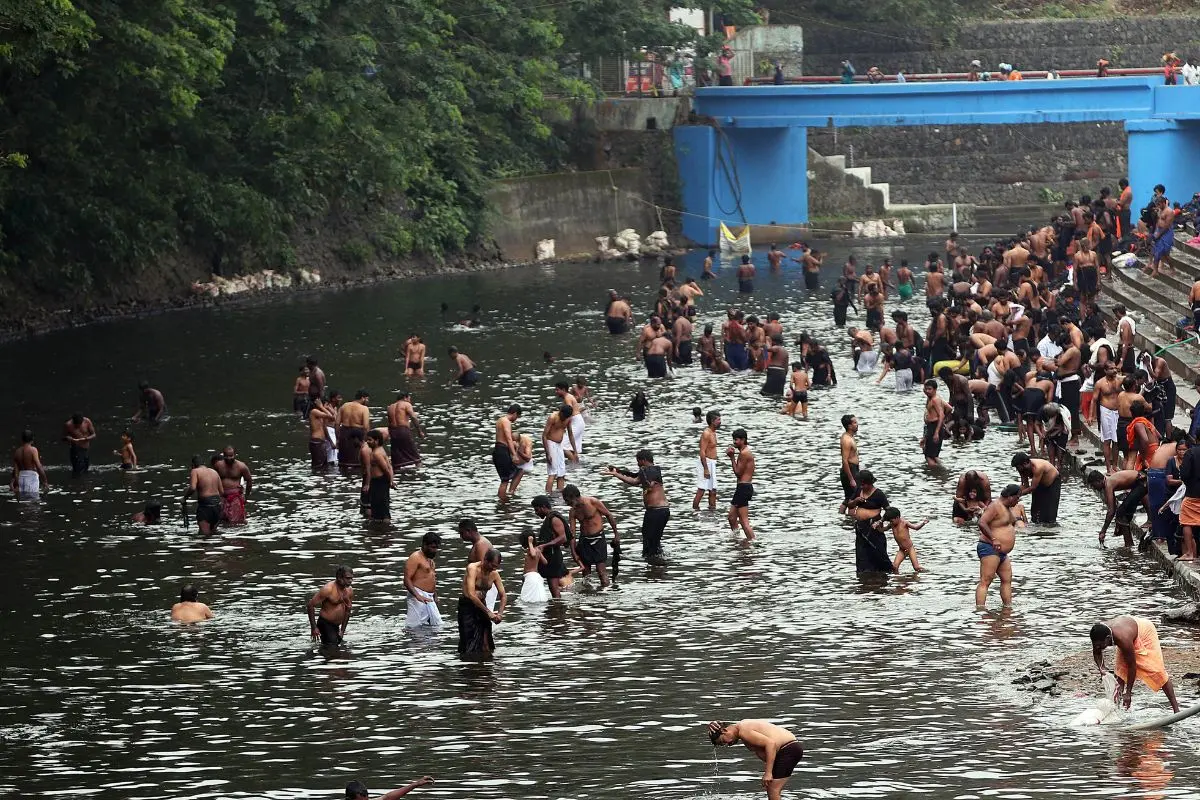
The Kerala Health Department on Saturday issued a detailed advisory for Sabarimala devotees as the annual pilgrimage season begins on 17 November, placing special emphasis on preventing river water from entering the nose in the wake of recent amoebic meningoencephalitis (brain fever) cases in the state.
Pilgrims undergoing medical treatment have been urged to carry their health records and medicines, with officials stressing that regular medication should not be discontinued during pilgrimage preparations.
“Devotees bathing in rivers should ensure that no water enters their noses,” the advisory stated. Although no specific reason was mentioned, similar instructions were issued earlier when Kerala reported frequent brain fever cases.
The department recommended light exercise, such as walking, in the days leading up to the pilgrimage to reduce exertion-related health risks. Pilgrims have been advised to climb slowly, take adequate rest, and seek medical assistance if they experience fatigue, chest pain, breathlessness, or weakness. For emergencies, devotees may contact 04735 203232.
The advisory further instructs pilgrims to drink only boiled water, wash hands before meals, consume washed fruits, and avoid stale or exposed food. Open defecation has been strictly prohibited, and devotees are required to use toilets and practise proper hand hygiene. Waste disposal has been restricted to designated bins.
In the event of snakebite, pilgrims have been asked to seek immediate medical attention, with anti-venom available in hospitals.
Health Minister Veena George said doctors from medical colleges and trained volunteer health workers have been deployed along pilgrimage routes, with a 24-hour control centre operating at Pampa. “Pilgrims experiencing any discomfort while climbing are advised to seek immediate treatment at the nearest health centre. Awareness materials have been prepared in Malayalam, English, Hindi, Tamil, Telugu, and Kannada,” she said.
According to the minister, extensive medical facilities have been arranged in coordination with the Travancore Devaswom Board. Emergency medical centres have been set up along the Pampa–Sannidhanam route, with Konni Medical College serving as the base hospital. Emergency cardiology services and a cath lab are now functional at Pathanamthitta General Hospital, supported by ambulances equipped for cardiac emergencies and a special ambulance service between Sannidhanam and Pampa.
All hospitals will be equipped with defibrillators, ventilators, and cardiac monitors. Fully equipped laboratories will operate at Nilakkal and Pampa, and operation theatres will function at both Pampa and Sannidhanam.
Health officials said a temporary dispensary has been established at Pandalam Valiya Koickal Temple, and at least one medical shop in Adoor, Vadasserikkara and Pathanamthitta will remain open round the clock. The Food Safety Department has also deployed special squads for inspections, with health cards made mandatory for staff at food establishments.