The myth of 'Rose of Jericho': How superstition is fueling unsafe home births in Kerala
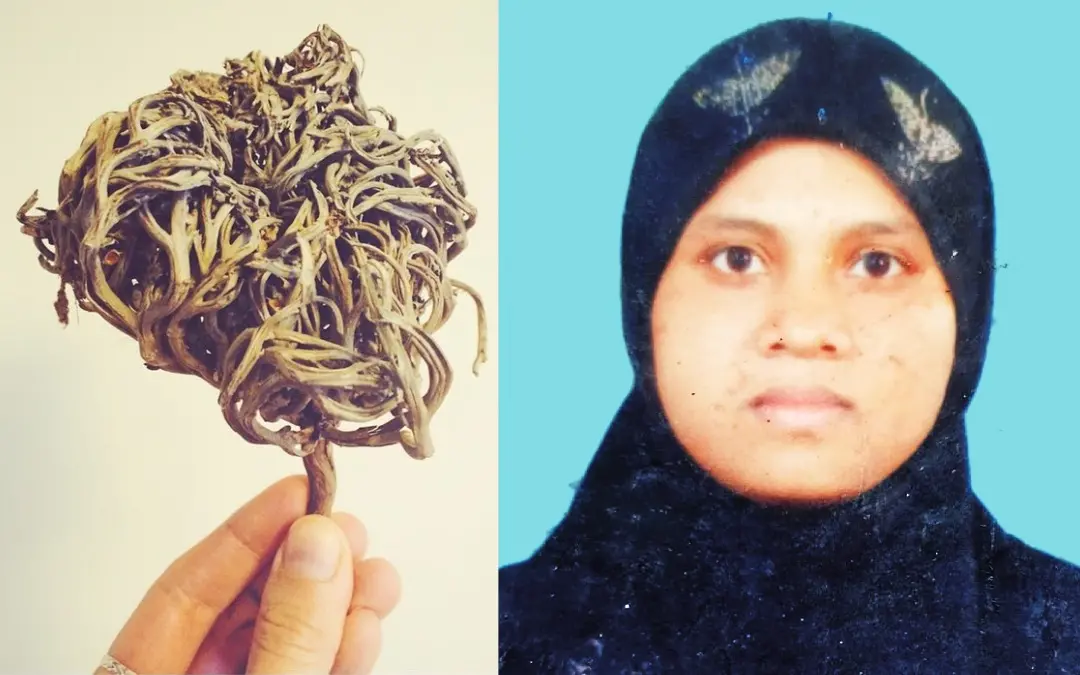
Malappuram, Kerala: The tragic death of a young woman in the district due to severe blood loss following a home birth has ignited widespread criticism across Kerala. The incident has brought attention to the increasing trend of home births and raised concerns about the dangers of delivering babies without professional medical supervision.
The woman, Asma, gave birth to her newborn around 6 PM on April 5, in Chattiparamba, but tragically passed away three hours later after enduring intense pain. The following day, the deceased woman and her newborn baby were brought to her family house in Perumbavoor at around 7 AM.
The newborn, covered in blood, was immediately rushed to the hospital's intensive care unit. The child, who had endured over 10 hours without any breastfeeding or proper care, was left in a dire condition after a long and exhausting journey.
Dr K.T. Rahmathunnisa, a senior gynaecologist at Aster MIMS, pointed out that the baby could have suffered from hypoglycemia, a condition where blood sugar levels drop dangerously low. This could result in serious complications such as seizures or even brain damage.
Rose of Jericho
The incident also highlights the dangerous beliefs surrounding the use of "Maryam Flower" (also known as Maryam Booti, Rose of Jericho, or Anastatica hierochuntica), a plant believed by some to help in smooth delivery, though there is no scientific evidence to support such claims.
In some parts of the world, particularly in North Africa and the Middle East, this plant, also known as the "Rose of Jericho" or "Safaad Mariyam," is used as a remedy for various ailments, and it is falsely believed to aid in painless deliveries.
However, there is no scientific foundation for any of these claims, and it has not been proven until now. Some people soak the petals in water and drink it, while others place them in a vessel under the bed where the pregnant woman is resting. The belief is that if the petals bloom, it signifies a smooth delivery, and it is naturally expected to bloom.
The belief that a smooth delivery can happen without going to the hospital and that delivering at home is sufficient turns dangerous when family members make such decisions based on this belief. Such incidents have previously occurred in the district. Many religious leaders have clarified that the stories surrounding these practices are rooted in superstition.
Dr Rahmathunnisa has strictly advised her patients against using it, as it contains some compound that contracts the uterus. She claimed that its use often leads to excessive contractions.