Rising coliform bacteria in water sources sparks concern amid amoebic meningitis cases; wells near septic pits could be breeding grounds
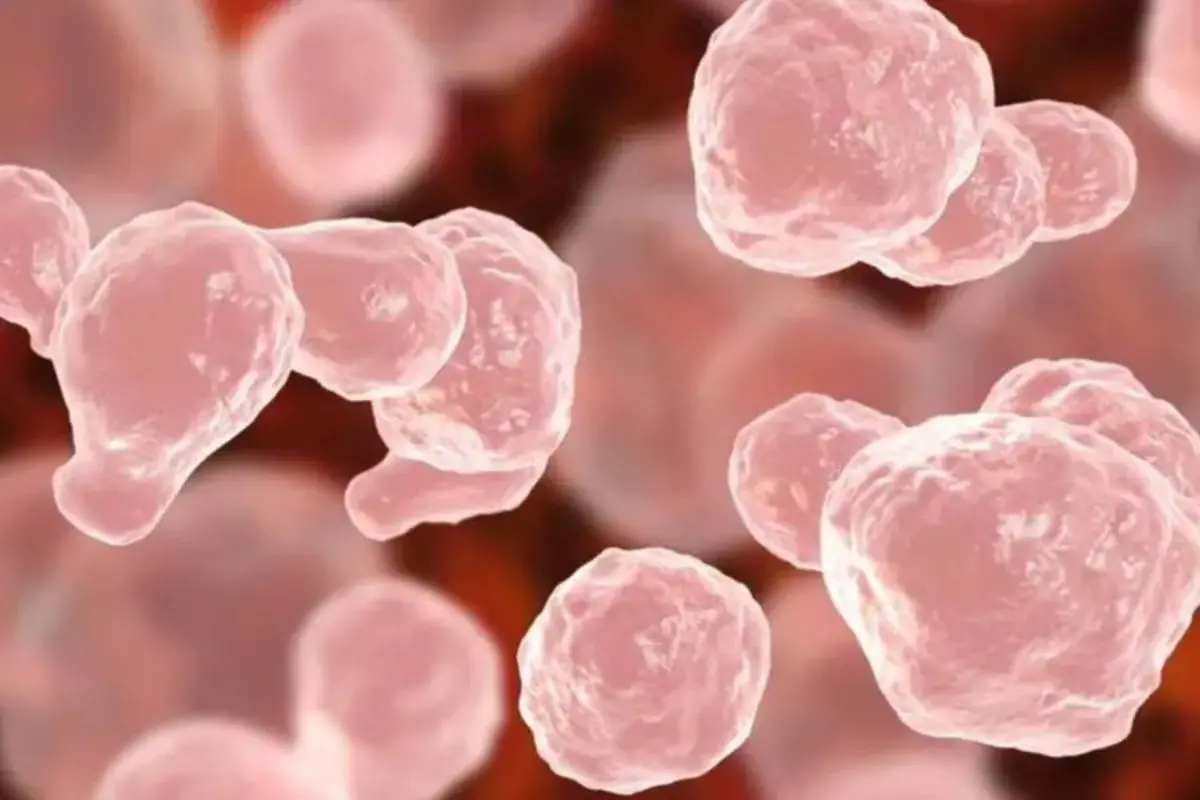
Thiruvananthapuram: Authorities in Kerala are raising alarm as the presence of coliform bacteria in water sources coincides with a surge in amoebic meningitis cases. Recent tests have detected coliform bacteria even in wells, according to the State Health and Local Self-Government Department.
Experts say coliform contamination could be a contributing factor in the spread of amoebic meningitis. In October alone, 54 people in the state were diagnosed with the condition, with eight fatalities reported. Three years ago, a survey revealed that over 70% of drinking water sources contained high levels of coliform bacteria, largely due to improper disposal of human waste. Current data suggest the problem persists.
Tests conducted in the Kazhakkoottam region revealed that water in several households was unsafe for consumption. Wells situated near septic pits are particularly vulnerable, as waste from toilets can leach into the groundwater. While plastic septic tanks reduce the risk, coliform levels remain high even in wells in apartment complexes. Some 200-foot-deep wells were found to contain significant coliform contamination.
Amoebas, which cause amoebic meningitis, feed on coliform bacteria. Therefore, elevated coliform levels increase the risk of infection. Contamination in public reservoirs and rivers from human waste further threatens public health, affecting both those using household wells and those bathing in communal water bodies.
Health officials recommend chlorination as a preventive measure. For standard chlorination, two and a half grams of bleaching powder should be mixed with 1,000 litres of water and allowed to act for 10 minutes before flushing the treated water into the well. For super chlorination, five grams of bleaching powder per 1,000 litres of water should be used, allowing an hour before using the well.
Authorities continue to urge vigilance in water safety and proper sanitation practices to prevent further cases of amoebic meningitis in the state.