Pleader appointment row: CPM alleges oath breach as Kerala CM dismisses KSU objections
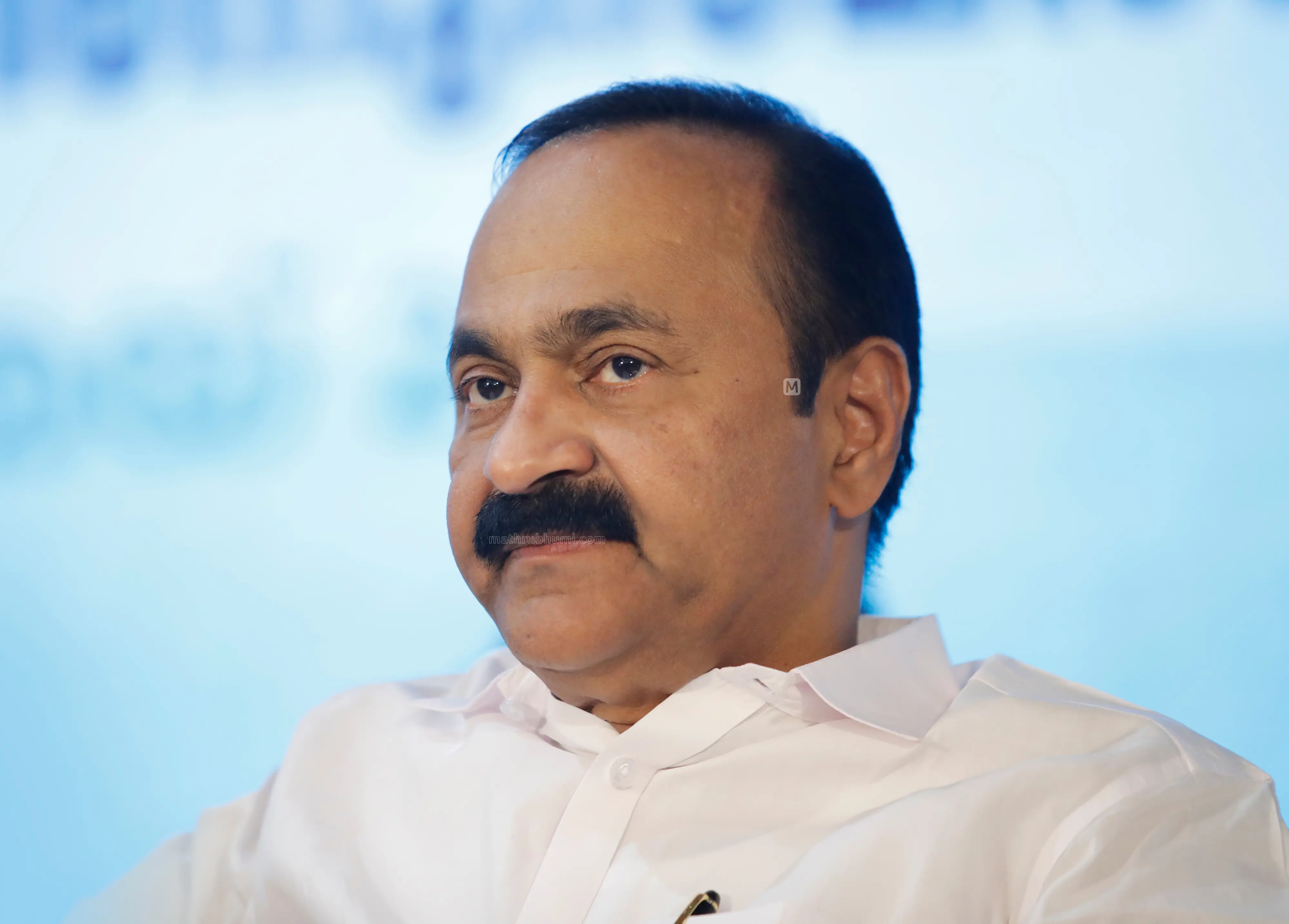
The Kerala government's appointment of government pleaders has triggered a political row, with the CPM-led Opposition and sections within the Congress questioning both the selection process and what they describe as increasing centralisation of power in the Chief Minister's Office (CMO). The controversy has widened after criticism emerged not only from CPM leaders P.A. Mohammed Riyas and P. Rajeeve but also from the Congress' student wing, the Kerala Students Union (KSU), over the appointments.
The latest attack came from CPM MLA P.A. Mohammed Riyas, who accused Chief Minister V.D. Satheesan of violating his oath of office in the appointment process. He questioned how individuals allegedly linked to the ABVP and BJP found a place on the government pleaders' list, claiming the Chief Minister had failed to justify the appointments even to the KSU.
Riyas also questioned the Chief Minister's defence that the appointments were made based on recommendations from the Indian Lawyers' Congress.
"Should government pleaders be appointed on the basis of an organisation's letterhead instead of the Advocate General handling the process?" he asked, alleging that the Chief Minister had violated his constitutional oath.
Opposition alleges rules were bypassed
The controversy had erupted earlier after CPM leader P. Rajeev alleged that the appointments violated the Kerala Government Legal Officers Rules, which require candidates to be selected from a panel prepared by the Advocate General.
According to Rajeev, no such panel was prepared. Instead, he alleged that the Chief Minister approved a list submitted directly by the Indian Lawyers' Congress. He also accused the government of creating 13 additional pleader posts to accommodate a pre-decided list rather than to meet actual judicial requirements.
Government defends appointments amid internal Congress dissent
Chief Minister Satheesan rejected the allegations, maintaining that the appointments were based on merit and finalised after consultations with the Advocate General.
He acknowledged that names had been suggested by the state committee of the Indian Lawyers' Congress and the High Court Unit Committee, but insisted the appointments followed due process. Responding to the LDF's criticism, Satheesan said the previous government had appointed 16 additional pleaders without following proper procedure, while his administration approved fewer posts than the 23 recommended by the Advocate General because of financial constraints.
The controversy has also exposed differences within the Congress. The KSU questioned the appointment of two lawyers over their alleged past links with the SFI and ABVP.
Satheesan dismissed the objections, saying student organisations do not decide government appointments and that the appointees were competent and had been properly vetted.
The state unit of the Indian Lawyers' Congress has also distanced itself from the appointments. It claimed the names were proposed by State Attorney Anoop Nair rather than the organisation and alleged that the Chief Minister refused to meet its representatives to discuss the issue.
The competing claims have further intensified allegations from the Opposition and within sections of the Congress that decision-making in the government is becoming increasingly centralised in the Chief Minister's Office.