Kerala CM Pinarayi terms Gadgil, Kasturirangan reports on Western Ghats 'not pragmatic'
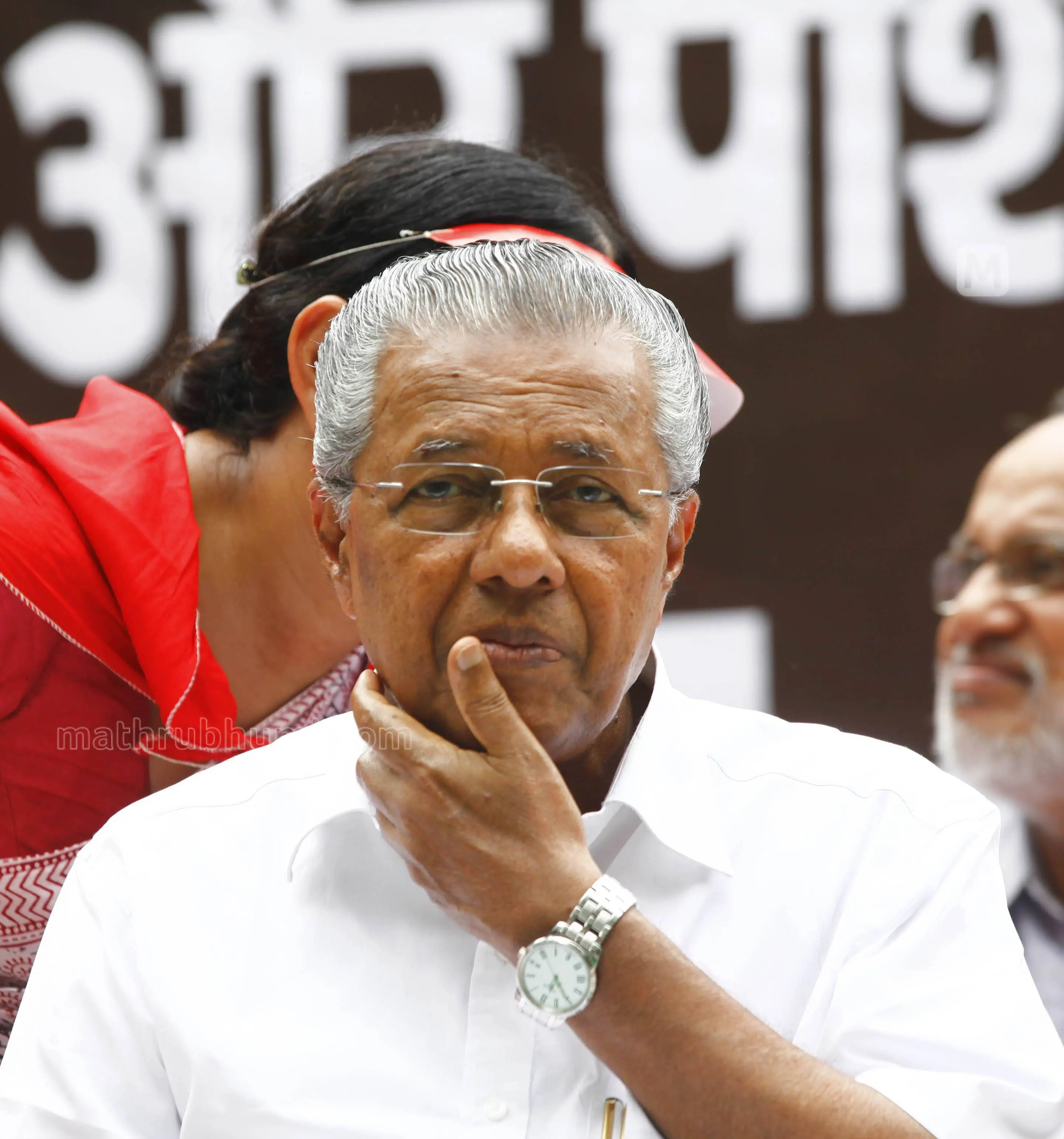
Thiruvananthapuram: Kerala Chief Minister Pinarayi Vijayan has dismissed the recommendations of the Madhav Gadgil and Kasturirangan committees on ecologically sensitive areas of the Western Ghats, calling them "not pragmatic". He argued that the reports did not consider societal aspirations and ground realities in Kerala.
Vijayan emphasised that "much of the recommendations in these reports were not pragmatic and did not consider societal aspirations and ground realities". He also highlighted that "at least some parts of the reports did not consider humans dwelling in ecologically fragile zones for centuries as part of the ecosystem". He noted that "small and marginal" farmers cannot be equated with wealthy realtors, planters, or miners occupying similar terrains. "There was no such differentiation in these reports, which is why many states were forced to completely disregard them," he said.
Vijayan added that it was "not desirable" for the Kerala government to take a position "in a hasty manner" without adequately studying the draft Ecologically Sensitive Area (ESA) notification issued by the Centre. The notification, issued on 31st July, seeks to declare over 56,800 square kilometres of the Western Ghats across six states, including 13 villages in Kerala's landslide-hit Wayanad, as an ESA. "We have to wait to hear from the local self-governments and eventually take an informed decision on it. This is going to affect the lives of millions," Vijayan said.
His comments came amidst ongoing efforts to secure relief and rehabilitation following recent landslides in Wayanad. The Chief Minister said the state government has sought a Rs 2,000 crore disaster relief package from the Centre after he met with Prime Minister Narendra Modi in Delhi. "The PM was 'very positive' on the issue, and the state was hopeful of getting 'good assistance' from the Union government," Vijayan added.
The Chief Minister described the 30th July disaster as one that "shaken the lives of our people, leaving those affected with unimaginable trauma and concerns about their future". He assured that "our government's primary objective is to provide a comprehensive rehabilitation package to the survivors", emphasising the state's commitment to the Kerala model of development with a people-centric approach. The government plans to construct new townships for the affected families "within a year", with climate-resilient and sustainable homes.
Addressing controversy over the Centre's claims that Kerala ignored disaster alerts, Vijayan said the warnings were generic and routine, lacking specifics about an event of such magnitude. He asserted that the calamity was triggered by extremely heavy and continuous rainfall over two days, and that early warning mechanisms had not anticipated it. "It is a fact on record that this was not foreseen by the early warning mechanisms of the government of India. Even a red alert was issued after the massive landslide," he said.
Vijayan further explained that the landslides impacted four settlements that had been inhabited for two centuries, but the landslide originated in a pristine forest with no human settlement near the point of origin. He stated that the proposed townships will "exemplify the best possible post-disaster rehabilitation plan in the country and these will be climate-resilient and sustainable".
The state has identified five parcels of land, each about 50 hectares, for the township projects, and the Chief Minister said they were investing "significantly" in this project, with support from businesses and philanthropic organisations. A post-disaster needs assessment is ongoing in Wayanad, which will provide further insights into any changes needed in the reconstruction plans, Vijayan added.
With PTI