Permission to cut sandalwood; legal backing for traditional bull races: What’s Kerala’s new plan?
Thiruvananthapuram: The Kerala Cabinet on Saturday approved the Kerala Forest Amendment Bill, 2025, aimed at amending the Kerala Forest Act, 1961. The bill permits sandalwood trees on private land to be cut and sold through the forest department, ensuring proceeds reach the farmer.
“The bill enables sandalwood cultivation to be promoted across the state by ensuring farmers receive the sale price of the trees,” Forest Minister AK Sasendran said. He added that current market rates for sandalwood range from Rs 4,000 to Rs 7,000 per kilogram, with higher-quality wood fetching even more.
“At present, if sandalwood is stolen from private land, the landowner faces a case. This discourages people from cultivating the trees,” he said. Under existing laws, only dried or dangerous sandalwood trees can be cut. The new bill grants permission for personal use, such as household construction.
The amendment does not allow the cutting of sandalwood trees reserved for government purposes on land allotted by the Revenue department. The land assignment rules will need to be amended to provide title deeds for such areas.
Currently, there is no provision for compounding forest offences that reach the court. The Bill, however, includes a provision to compound some such crimes with court permission.
Support for traditional agricultural competitions
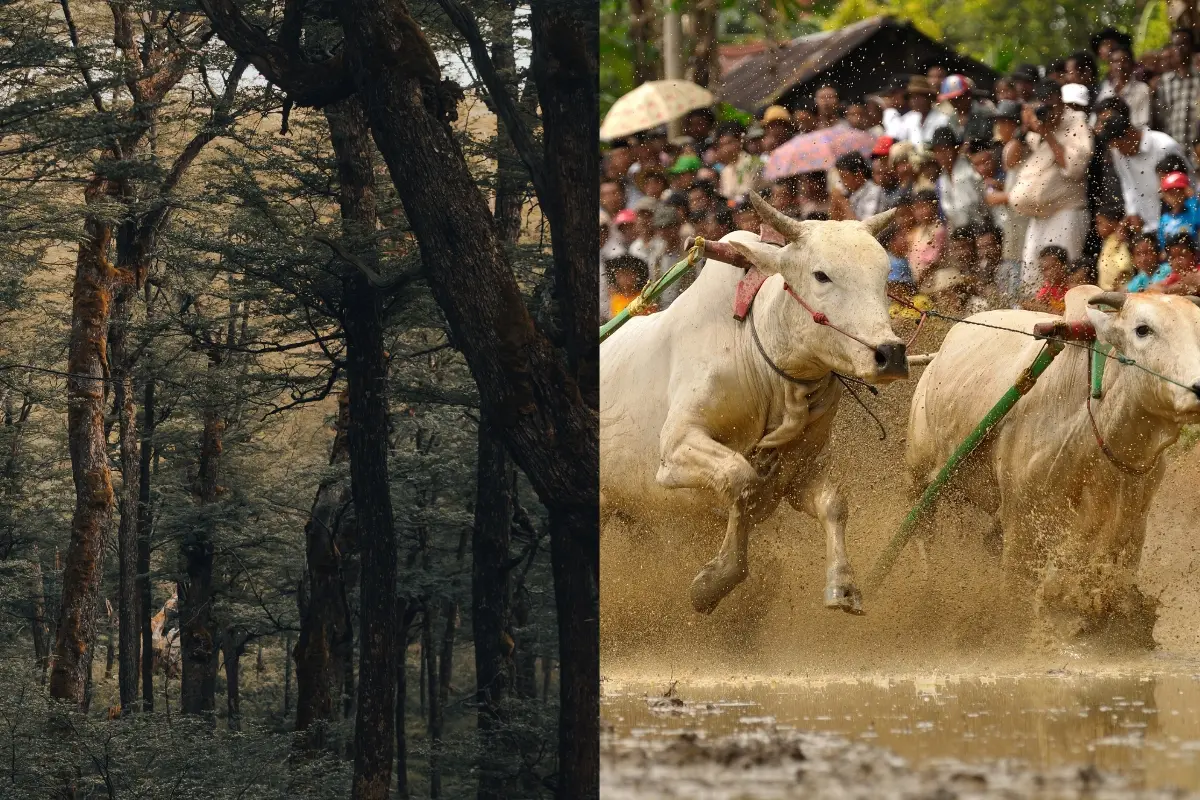
In another move, the Cabinet cleared a draft bill to legalise banned traditional agricultural competitions, including Kalappoottu, Kannuppoottu, Maramadi, and Uzhavu (bull and cattle races).
A special Cabinet meeting approved the draft bill to amend the Prevention of Cruelty to Animals Act, 1960, enabling the continuation of such events, which were once integral to the state’s agrarian culture, an official statement said.
“Such agricultural festivals had been banned under the Prevention of Cruelty to Animals Act, 1960,” State Animal Husbandry Minister J Chinchurani said.
“There have been demands from many quarters to enact legislation to legalise these sports,” she added.
The amendment will take effect once introduced and passed in the Legislative Assembly and subsequently receives the Presidential assent, the minister explained.
“The 'Jallikattu', another form of bull sport, was legalised in Tamil Nadu by amending the state law in the same manner,” she said.
“This is the beginning of a solution to the long-standing demand of farmers to lift the current ban on these agricultural festivals,” Chinchurani added.