No bride, no groom, just fun: Kerala hosts first fake wedding party—What is driving the trend?
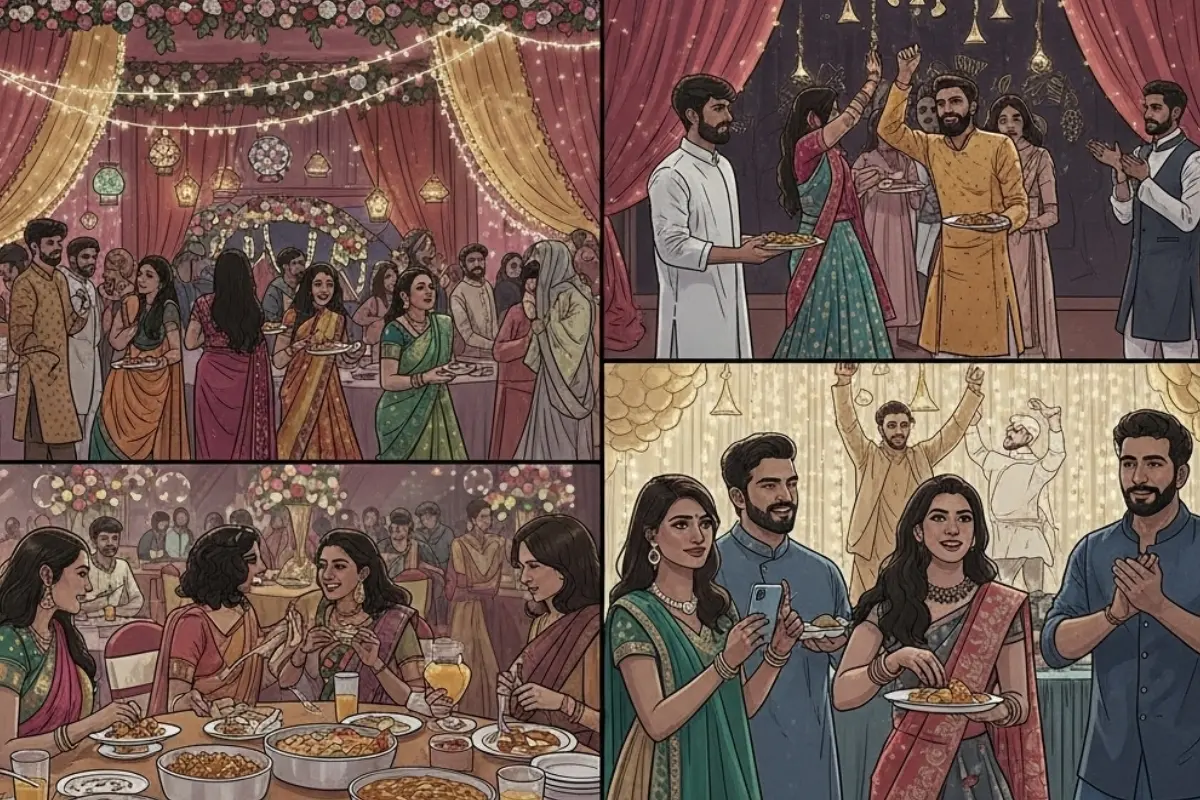
Kerala’s wedding scene is evolving. The once simple, traditional ceremonies have given way to multi-day extravaganzas, borrowing elaborate rituals such as Mehendi, Haldi and Sangeeth from North India. Amid this shift, a new trend has quietly arrived: the fake wedding party.
A fake wedding party is exactly what it sounds like: a ticketed event where attendees experience the glamour, music, food, and drama of a wedding, minus the bride, groom, rituals, and familial pressures. Guests dress up in traditional attire, dance to Bollywood hits, savour lavish meals, and pose for photo opportunities, all in a carefully curated, party-like environment.
The concept has gained traction in major cities such as Delhi, Mumbai, and Bengaluru, appealing especially to young people seeking fun without the stress of family expectations, nosy relatives, or the social obligations of real weddings. In Kerala, the novelty of a fully staged wedding celebration with none of the formalities has sparked interest, particularly among youth eager for a night out that combines cultural aesthetics with carefree enjoyment.
With hotels and clubs ready to host these events, the fake wedding promises a unique social experience: a taste of tradition, an air of celebration, and all the excitement of a big fat Indian wedding—without any of the pressure.
Kerala’s first-ever fake wedding party
Kerala witnessed its first-ever fake wedding party in July, organised by Silver Lining Party Entertainment Service at Crowne Plaza, offering guests a playful take on traditional wedding celebrations. The event attracted over 350 participants, including locals and visitors from other states. While most attendees were aged 25 to 30, several older guests also joined, reflecting widespread curiosity about the concept.
The party recreated the grandeur of a north Indian wedding with vibrant decor, live dhol performances, Bollywood music, a lively dance floor, and a dedicated photo booth. Professional photographers and videographers documented the event, providing guests with a polished and immersive experience. Participants came from varied backgrounds, including models, social media influencers, tech professionals, doctors, and businesspeople, adding to the dynamic and energetic atmosphere. It ran from 7 to 11 pm.
Organisers noted that the rising popularity of North Indian wedding customs in Kerala suggests strong potential for similar staged celebrations in the future. They noted that curiosity factor attracted many.
Sonu Sebastian, an EDM percussionist, who attended the event described it as “a mix of traditional wedding and Bollywood mashup songs.” The Baraat—the festive groom’s procession—was staged on a truck with a DJ on top. Sonu attended with three friends in ethnic wear. “50 per cent were Malayalis, 25 per cent North Indians, and 25 per cent foreigners. More than 60 per cent were girls,” he said. Comparing the Kerala event with Bengaluru’s fake weddings and traditional North Indian weddings, he noted, “The Kochi event focused more on music, had limited food like snacks, and felt indoor and a bit congested. In Bengaluru, fake weddings had more energy and food options, while real North Indian weddings include multiple programs beyond the Baraat.”
What is behind the new trend?
Kerala-based anthropologist and PhD researcher Gopika Gopakumar sees fake wedding parties as a form of role play and performance. “It is recreation to adults, not a cultural practice, though it carries a wedding tag,” she said. She traced the evolution of Kerala weddings, from her grandmother’s one-night celebration to her mother’s full-day event. Gopika highlighted cultural borrowing from North India, including Haldi, Mehendi, and save-the-date traditions. She sees limited chances for fake weddings to become a widespread trend in Kerala, but acknowledged that people are looking for diverse recreational experiences. “With IT companies in Kerala employing many North Indian professionals, these fake weddings might help them reconnect with familiar cultural experiences, even if staged. But it depends on music, food, and the overall experience, as well as financial background of migrant population here.”
Hyderabad-based ethnographic researcher Ram R Bhupathiraju links the trend to youth seeking pleasure and social recognition in a neoliberal world. “This fantasy is for the affluent and not something middle class aspires. It’s a way of flaunting social capital,” he said, noting that social media culture encourages self-promotion of experiences—even something like meditation. He added that the curiosity factor is key: Malayalis who have never attended a North Indian wedding are drawn to the experience. Interestingly, he said that Malayali attendees might not participate in a 'fake Kerala wedding party' in their own state, suggesting novelty is central. He also noted that organisers capitalise on this curiosity.
The bandwagon effect adds momentum. As fake wedding parties gain popularity in major cities, Kerala’s youth are now embracing the trend, eager to enjoy the spectacle, social energy, and the glamour of a wedding without pressure. The event combines curiosity, recreation, cultural exploration, and social display, signalling a fresh, playful dimension to Kerala’s evolving party scene.