Nimisha Priya's fate hits wall: Yemeni family firm on no forgiveness, ‘can never justify a murder’
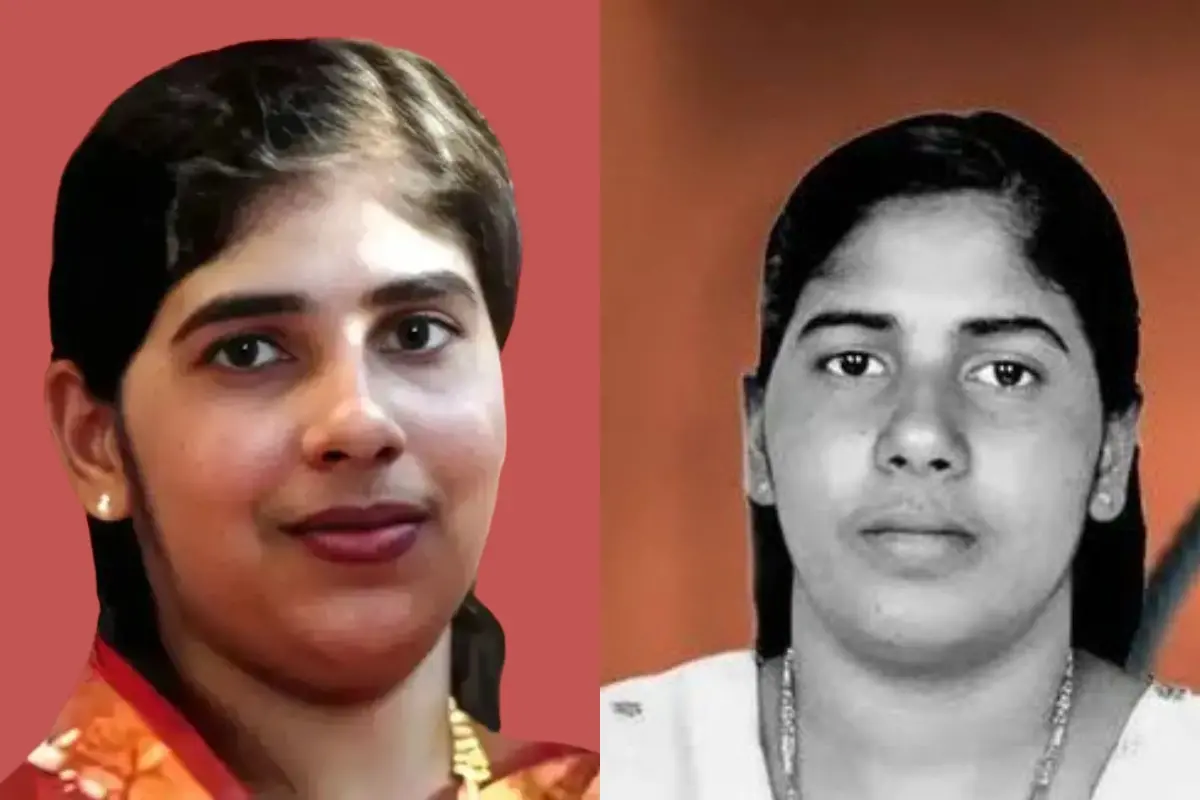
Sanaa, Yemen: Indian nurse Nimisha Priya's death sentence in Yemen has been postponed, offering a temporary reprieve, but the family of her former business partner, Talal Abdo Mahdi, remains unyielding in their demand for her execution.
The execution was initially set for June 16, 2025, with the deferral confirmed by Indian Foreign Ministry sources on Monday, July 14, 2025. Nimisha Priya is currently held in a Houthi-controlled prison in Sanaa.
Amid this temporary halt, Talal Abdo Mahdi's brother, Abdel Fateh Mahdi, has made the family's position unequivocally clear. In a previous interview with the BBC's Arabic service, he vehemently denied Nimisha Priya's claims of exploitation, physical torture, or passport confiscation. He asserted that Nimisha had never made such allegations in court, dismissing reports of her exploitation as "mere rumors."
"Our stance on the attempts at reconciliation is clear; we insist on implementing God's Law in Qisas [retaliation in kind], nothing else," Abdelfattah Mahdi told BBC Arabic. He expressed the family's suffering "not only from the brutal crime but also the long, exhausting litigation process in a horrible and heinous but obvious crime case." He further criticized efforts to "distort the truth," particularly from Indian media, which he believes portrays the convicted as a victim to justify the crime and influence public opinion. "Any dispute, whatever its reasons and however big, can never justify a murder - let alone dismembering, mutilating and hiding the body," he stated.
Abdel Fateh Mahdi described the relationship between Nimisha and Talal as normal, beginning as an acquaintance, developing into a business partnership for a medical clinic, and then a marriage that lasted three to four years. He firmly demanded the implementation of "God's law," indicating a strong rejection of any "blood money" (diya) settlement, which is a permissible compensation for a pardon under Islamic (Sharia) law. He insisted that "nothing less than this" would be accepted, even if it meant a delayed execution.
According to sources from India's Ministry of External Affairs, the death sentence's postponement is a direct result of ongoing communication between Indian officials and Yemeni authorities. This deferral provides a crucial window, though the threat of hanging still looms as it is not a pardon. Simultaneously, influential Muslim cleric from Kerala, Grand Mufti AP Abubakar Musliyar, has reportedly engaged his influence with Sheikhs in Yemen to mediate with the victim's family. A meeting involving influential figures, including some relatives of the deceased, is reportedly underway to discuss the matter further.