Punnapra-Vayalar: New directory confirms 400-500 killed in historic uprising in Kerala
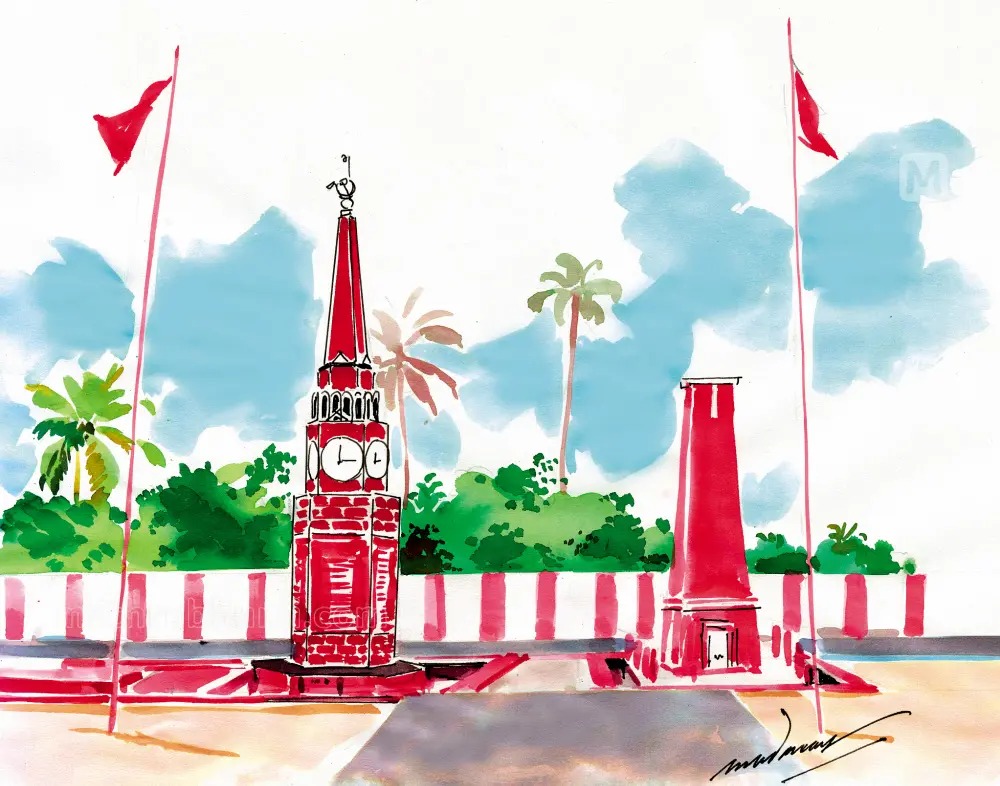
Cherthala, Alappuzha: A newly released directory containing authentic details of participants and martyrs of the historic Punnapra-Vayalar uprising has been hailed as an important historical record.
Until now, it was generally believed that hundreds were killed in the shootings that took place in Punnapra, Mararikulam, Olathala, Mannancherry, and Vayalar regions in Alappuzha district. However, the new directory confirms that the number of martyrs is between 400 and 500.
The compilation of historical data and publication of the Punnapra-Vayalar Samarasenanikal (Punnapra-Vayalar Freedom Fighters) directory was led by CPM Central Committee member TM Thomas Isaac.
According to the directory, 35 people were martyred in the firing at Punnapra on October 23, 1946, and 13 at Mararikulam on October 26. Fifteen people were killed at Olathala, 130–180 at Mannancherry, and 180–250 at Vayalar. The shootings at Olathala, Menassery, and Vayalar all took place on October 27.
Following the large number of deaths in the Punnapra and Mararikulam shootings, the protest committee had decided to disband the camps. However, by the time this message reached the Cherthala action committee in charge of the Vayalar, Menassery, and Olathala camps, the shootings had already taken place. The firing happened in the afternoon of October 27, while the order to disband the camps arrived only by that evening.
Women’s role in the Punnapra-Vayalar uprising
Meanwhile, the directory also highlights the significant contributions of women to the Punnapra-Vayalar struggle. It records the names of women martyrs such as Kunjipennu, Gauri, and Banu, and introduces seven others who played key roles in the uprising, along with 13 women who assisted them. Interestingly, none of the earlier historical accounts had provided such documentation of the pivotal role played by women in the movement.
Punnapra-Vayalar uprising
The Punnapra-Vayalar uprising, which took place in October 1946, was a communist-led protest in the princely state of Travancore, then under British India. The movement was directed against the autocratic rule of the Diwan (Prime Minister) Sir C. P. Ramaswami Iyer, who had proposed making Travancore an independent nation instead of joining the Indian Union. The uprising reflected the growing discontent among workers, peasants, and the poor, who were struggling under harsh economic conditions and repressive governance.