KSRTC free travel for women: Will Malabar miss out because there aren’t enough buses?
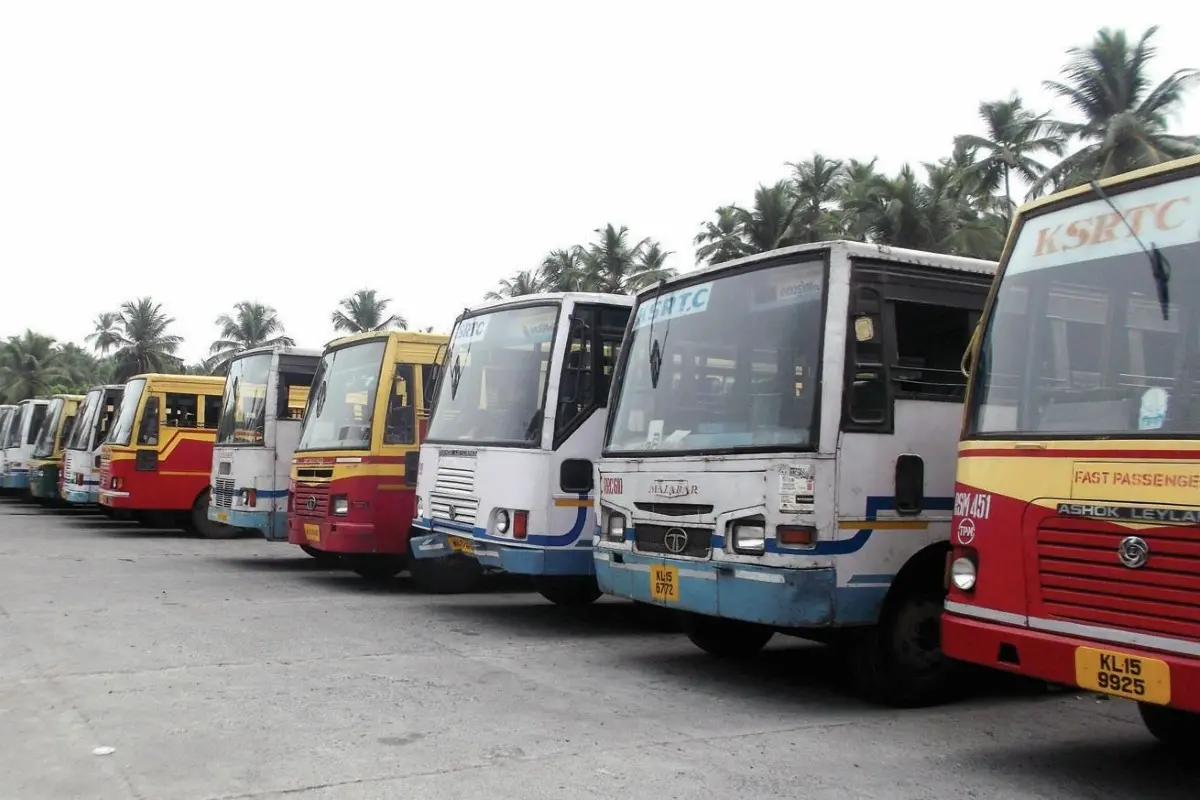
Kottayam: The promise of free travel for women in KSRTC buses is emerging as one of the biggest talking points in Kerala, but a major question is now being raised from the Malabar region, how will people benefit from free travel if there are not enough KSRTC buses on the roads?
The concern comes at a time when the proposed scheme is being widely discussed after the UDF promised free travel for women in KSRTC buses during the election campaign. While the move is expected to reduce travel expenses for lakhs of women, observers say the benefit may not reach Malabar districts equally because KSRTC’s presence in north Kerala remains far weaker than in the southern belt.
The numbers highlight the gap clearly. KSRTC currently has 5,799 buses in total across Kerala. Out of this, only 3,007 belong to the ordinary category, which is likely to be included in the free travel scheme. The rest include 2,076 long-distance buses and 685 Swift buses.
But the bigger issue is regional distribution.
In Malabar, several districts operate with comparatively fewer KSRTC buses despite having large populations and heavy daily passenger movement. Kasaragod has only 151 KSRTC buses. Malappuram, one of Kerala’s busiest districts in terms of passenger traffic, has just 154. Kozhikode has 230 buses, Kannur 233, Palakkad (206) and Wayanad 244.
The contrast becomes sharper in South Kerala. Thiruvananthapuram alone has 920 KSRTC buses, while Kollam has 556. Kottayam operates 381 buses, Pathanamthitta 239 and Alappuzha 351.
Central Kerala also has comparatively better coverage, with Ernakulam leading at 460 buses, followed by Thrissur (263) and Idukki (221).
This imbalance is now triggering concerns that women in Malabar may struggle to actually use the free travel scheme if buses remain overcrowded or unavailable during peak hours.
The issue becomes more significant because free travel schemes introduced in other states reportedly led to a sharp increase in passenger numbers soon after implementation. If Kerala witnesses a similar rush without increasing KSRTC services, the pressure is expected to fall heavily on districts where the corporation already operates a smaller fleet.
Many women are looking at the proposal as a major financial relief. Daily wage workers, domestic workers, students, senior citizens and women employed in the unorganised sector are expected to be among the biggest beneficiaries. The scheme could also allow more women to travel longer distances for work and education without worrying about daily transport expenses.
However, the lack of buses could turn into a major political and public issue if demand rises sharply after rollout.
Another key detail still unclear is eligibility. The government has not yet explained whether the benefit will apply to all women or whether conditions related to income, age, travel distance, Kerala residency or transgender status will be introduced.
Consumer rights activist Dijo Kappen’s Centre for Consumer Education has argued that the scheme should be limited to financially weaker sections instead of offering universal free travel for all women. They suggested that eligibility can be linked to income limits and government-issued identity cards.
The debate has also drawn attention to Kerala’s private bus network. The state has 11,936 private buses, with a major share concentrated in Malabar and Kochi regions. Major districts include Ernakulam (1,403), Thrissur (1,444), Palakkad (1,203), Malappuram (1,493), Kozhikode (1,414) and Kannur (1,210).
As discussions around the KSRTC free travel scheme continue, the focus is now on whether Kerala has enough KSRTC buses, especially in Malabar, to make the promise work on the ground.