KSRTC’s cut-price bottled water scheme dries up amid uncertainties and operational challenges
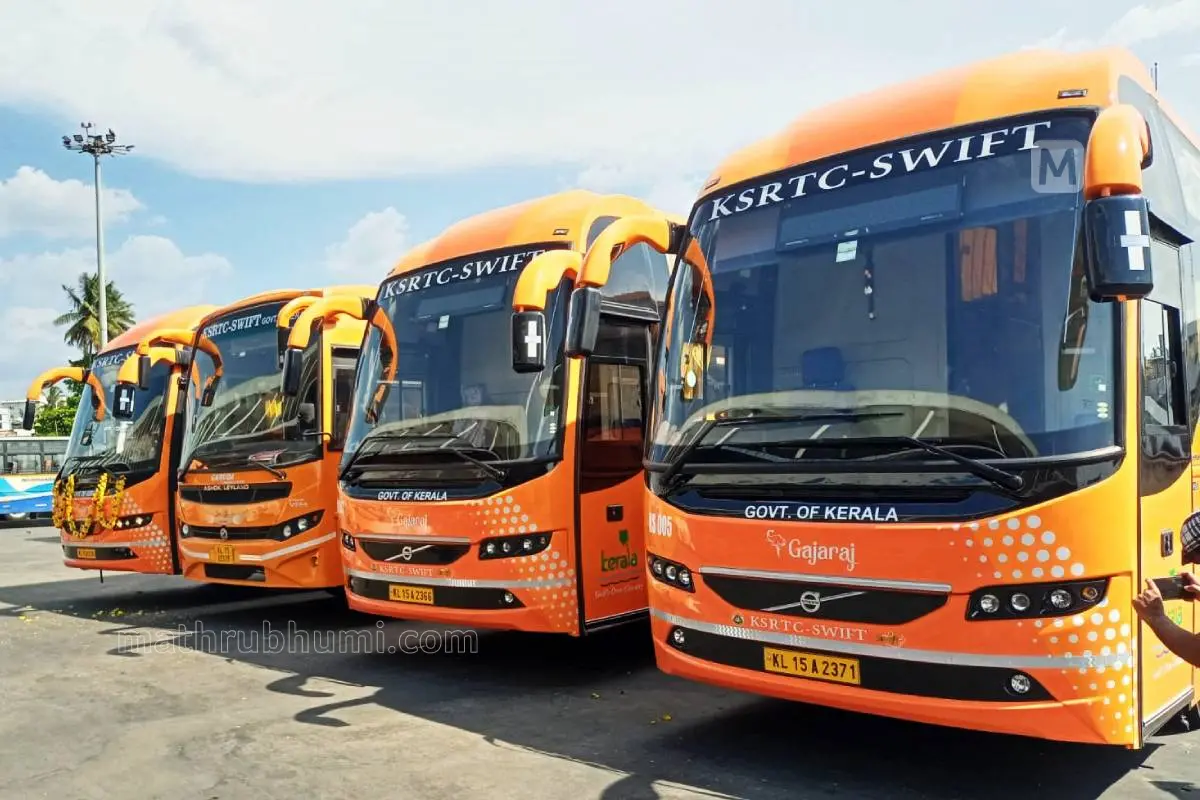
Thiruvananthapuram: A highly publicised initiative by the Kerala State Road Transport Corporation (KSRTC) to sell cheap drinking water aboard its buses has collapsed within days of launch, following a boycott by a section of the workforce.
The scheme was designed to offer commuters a one-litre bottle of mineral water for just ₹13—under the state-owned brand name ‘KL-15’—undercutting commercial rivals in the retail market. Sourced from 'Hilly Aqua', a state-run supplier under the Kerala Irrigation Infrastructure Development Corporation, the stock was meant to be distributed directly via conductors on board and through dedicated station kiosks.
However, passengers on long-distance routes enjoyed the service for only a matter of days before supply dried up entirely. Kiosks across major depots now stand empty and abandoned.
Also read: Wayanad private bus operators get relief as authorities move to review KSRTC service timings
Union opposition struck the project almost immediately. The Transport Democratic Federation (TDF) formally petitioned the Corporation’s Managing Director to review the scheme, arguing that the logistics placed an unfair burden on frontline staff. While the management introduced a commission structure—offering conductors ₹2 and drivers ₹1 per bottle sold—the financial incentive failed to appease workers.
Staff highlighted severe logistical flaws in the rollout. At several depots, including Pathanamthitta, inventory was stored as high as the third floor, forcing conductors to haul heavy crates down to the bays alongside their standard ticket machines and cash bags. Unions argued that the cumbersome process was actively causing delays to scheduled departures.
Furthermore, drivers and conductors voiced anxieties over onboard security, noting that buses lacked secure storage facilities. Under company policy, crew members were liable to pay for any stock stolen during peak commuter hours.
Though initially hailed as a vital public convenience during the peak of summer, the low-cost water scheme has been effectively grounded by operational chaos and industrial friction. KSRTC management is yet to comment on whether the project will be revived.