TOD billing: Is power three times costlier in the evening? KSEB clarifies on viral message
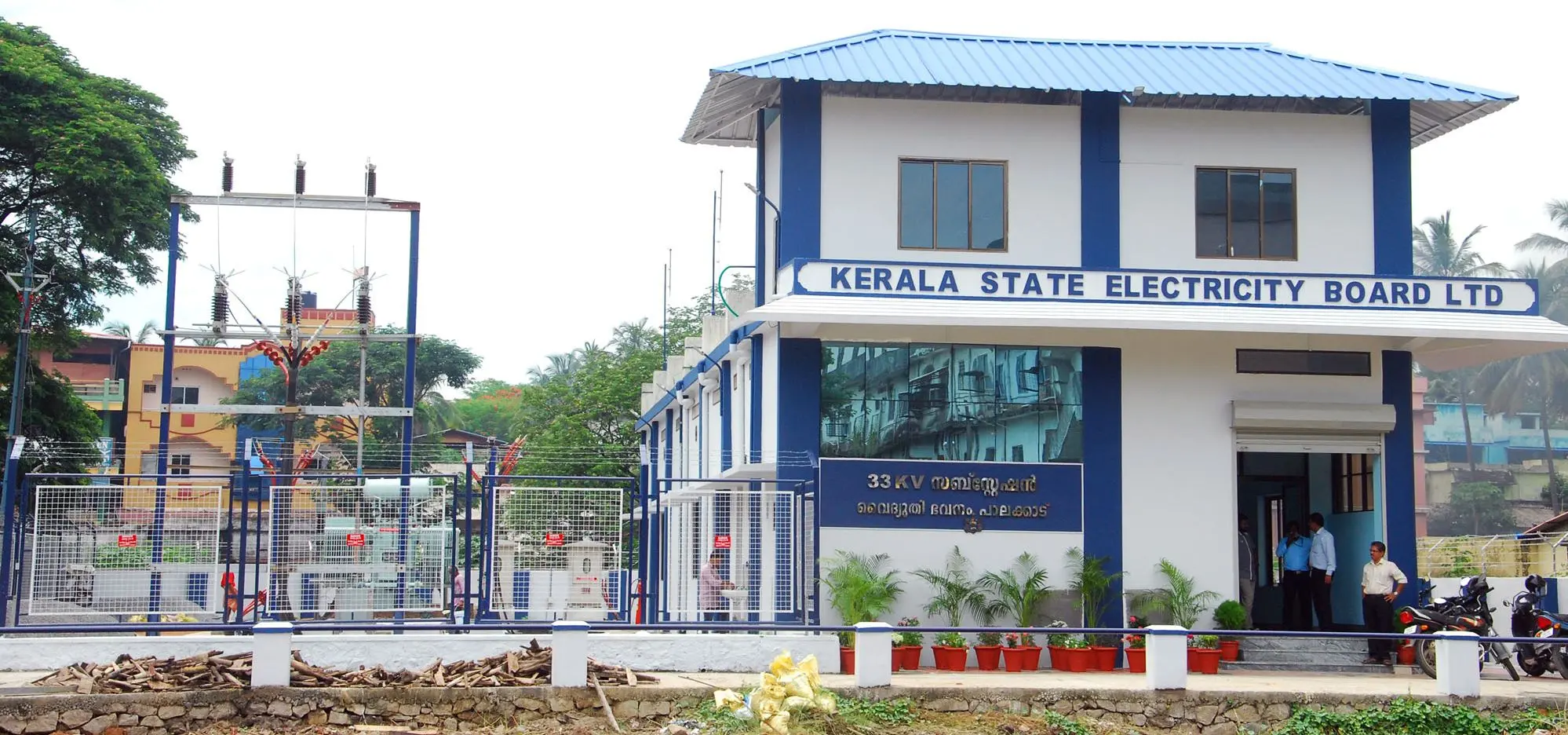
A widely circulated social media post in Kerala has caused concern among electricity consumers, claiming the Kerala State Electricity Board (KSEB) has introduced a ‘Time of Day’ (TOD) billing system that drastically changes power rates depending on the time of usage. The post alleges this is a new attempt by the government to “trouble people and loot money.”
What does the viral message claim?
According to the viral notice, KSEB has implemented TOD billing, under which:
- From 6 a.m. to 6 p.m., electricity rates are 25% lower.
- From 6 p.m. to 10 p.m., the rate increases threefold.
- From 10 p.m. to 6 a.m., normal rates apply.
The message warns that if consumers use electricity “without attention,” bills will rise significantly. It urges people to use high-consumption appliances such as motors, irons, washing machines, mixers, and grinders during daytime hours to save money.
KSEB clarifies: Not for all domestic users
In response, KSEB issued an official clarification calling the viral message “misleading.” The board confirmed that TOD billing is not applicable to all consumers, but only to:
- All High Tension (HT) and Extra High Tension (EHT) category users,
- Low Tension (LT) industrial consumers with a connected load of over 20 kilowatts, and
- Domestic consumers who use more than 250 units per month.
Actual TOD billing structure
For eligible high-usage domestic consumers, KSEB clarified the following time zones under the TOD billing structure:
- T1 (6 a.m. – 6 p.m.): 10% less than the standard tariff.
- T2 (6 p.m. – 10 p.m.): 25% higher than the standard tariff.
- T3 (10 p.m. – 6 a.m.): Billed at the regular tariff rate.
The board added that using high-consumption appliances during daytime hours could help households save up to 35% on their electricity bills.
Misinformation flagged
KSEB urged the public not to fall for “factually incorrect” social media posts and to verify information through official sources.