Patients no longer have to lie on floor at Kozhikode MCH; unused rooms being readied for patients
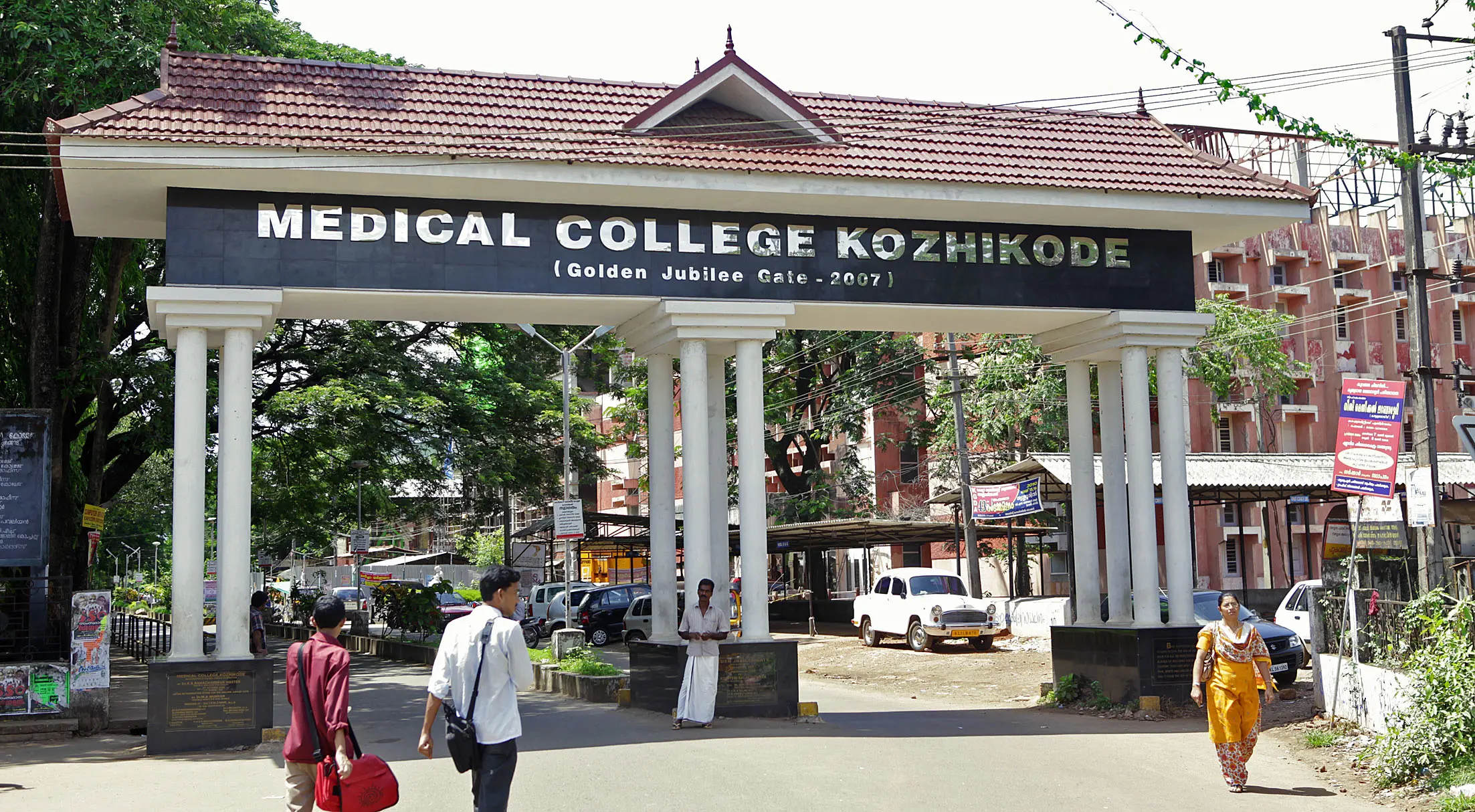
Kozhikode: Hospital management at Kozhikode Medical College Hospital has initiated steps to clear overcrowded corridors and house floor-bound patients in newly refurbished, disused blocks across the facility.
The decision follows growing concern over the influx of seasonal fever cases, which has forced the hospital’s General Medicine and Casualty departments to treat patients on mats along corridors and on transport trolleys. Under the new arrangement, overflow inpatients will be transferred to unused rooms, primarily within the former casualty unit and its upper floor.
Relocations to the old casualty section have already begun as an immediate measure. However, hospital officials noted that deploying the floor above—which could accommodate up to three additional wards—remains stalled pending urgent roof repairs to stop water leaks. With monsoon rains threatening to swell patient numbers further, patients and visitors have urged authorities to expedite maintenance work.
Currently, a standard General Medicine ward holds roughly 40 beds. Due to severe overcrowding, however, capacity regularly stretches to around 60 patients per ward, with extra cots and floor mats lining the corridors from Wards 3 to 8. The primary casualty department itself operates with an 80-bed capacity.
Also read: Maggot-infested tribal cancer patient's ordeal raises concerns over care in Kerala govt hospitals
While the expansion offers much-needed relief to patients, medical staff have voiced operational concerns. Generally, patients under a specific consultant were grouped in adjacent beds to streamline ward rounds. Dispersing patients across scattered rooms could present logistical hurdles for doctors and nursing staff providing routine care.
The initiative was formally resolved during a recent Hospital Development Committee (HDC) meeting. The action comes after instructions issued by Minister K. Muraleedharan to halt the practice of accommodating patients on floor mats failed to immediately resolve the spatial shortages at the region’s primary medical centre.