Kerala's elephant-driven festivals face scrutiny amid new recommendations
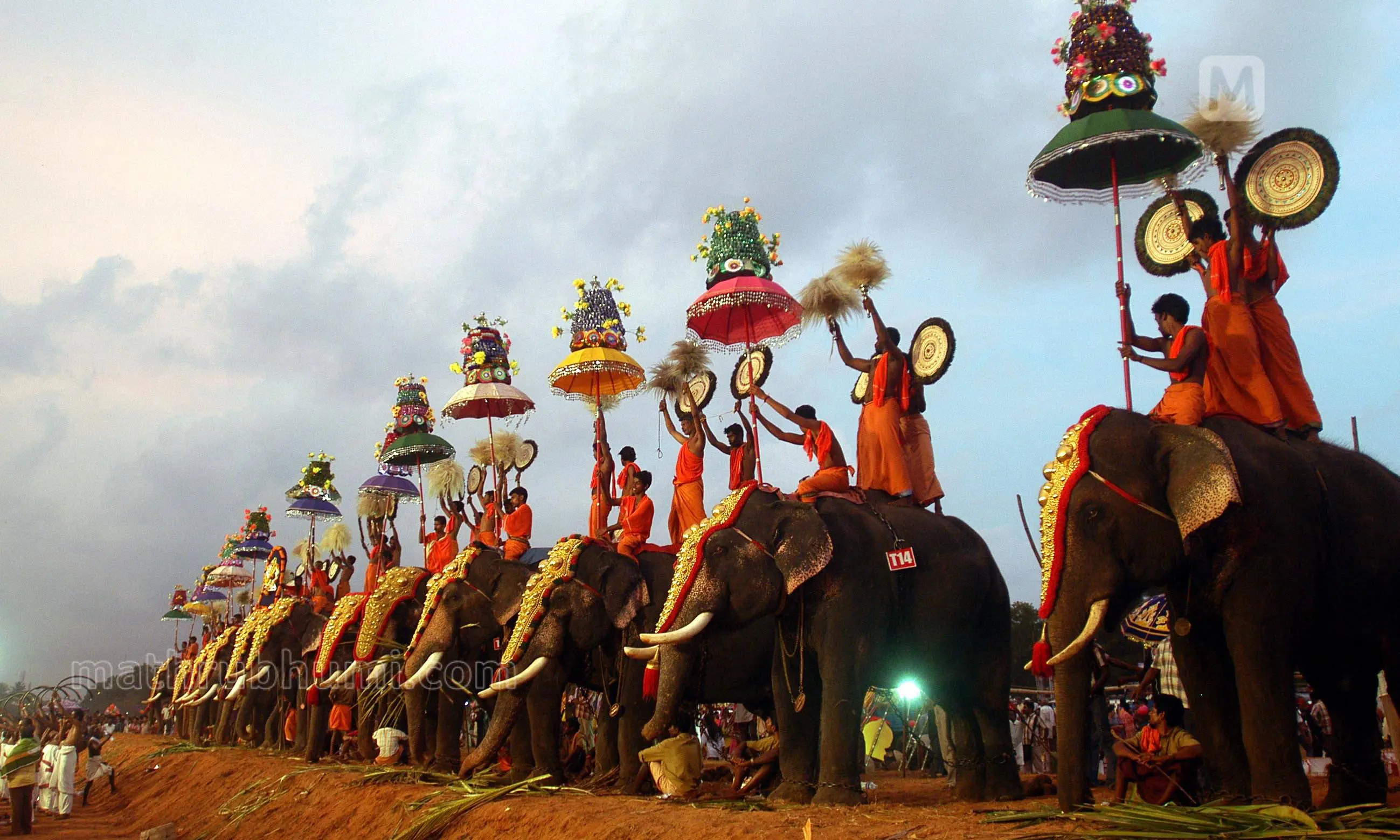
Kottayam: Kerala is home to an estimated 25,000 elephant-driven festivals (Ezhunnallippukal) in a year, with about 8,000 large-scale events requiring multiple elephants. The remaining 17,000 are smaller celebrations. Of the 390 domesticated elephants in the state, only a fraction are available for festivals during peak months. With concerns over the well-being of the elephants, a lively debate has emerged regarding how the state's recent ‘amicus curiae’ recommendations could impact these traditional celebrations.
Key insights
Festival Timing and Elephant Availability: Between November and May, over 25,000 elephant processions are held, spanning approximately 210 to 220 days. However, the state’s 390 elephants are not all available for duty. Only about 330 of them can be used for the processions, and many of them will be resting at certain times. For instance, on days with 120 processions, only two or three elephants may be available per event, causing logistical challenges. Large festivals like Thrissur Pooram require the use of multiple elephants at one time, further straining resources.
Health and Transport Concerns: Experts have advised against transporting elephants more than 100 kilometres per day by vehicle, as it could be harmful for their health. The legal barriers to transporting elephants from other states have further complicated matters, with no new elephants having entered Kerala since 2012.
Rest Periods for Elephants: For major events like Thrissur Pooram, elephants are given rest periods, and different elephants are used for different processions to prevent exhaustion. However, this is costly, and not all festivals can afford to implement such practices. Additionally, maintaining a 24-hour rest period between processions is often impractical.
Increased Costs and Elephant Care: The shortage of elephants has led to higher costs, with daily expenses for feeding and maintaining an elephant amounting to around Rs 10,000. Elephant owners are struggling to keep up with these costs. Rajesh Pallatt, Vice President of the Elephant Owners Federation of Kerala, highlighted that the cost of maintaining an elephant has increased, with some owners now paying up to lakhs for an elephant’s upkeep.
Economic Impact of Elephant Festivals: Vinod Kandemkavil, a festival critic, stated that for many people in Kerala, elephant-driven festivals represent their livelihood. These events generate considerable income for a wide range of people, including mahouts, trainers, and temple staff, and are vital for the state’s cultural economy.
Proposed Changes and Future Outlook: There are proposals to limit the use of elephants exclusively to festivals, with the potential requirement that the income from the festival season must cover the elephants' care throughout the rest of the year. However, this could place a heavy financial burden on smaller temples and organisations which rely on elephants for their festivals.
As the state grapples with these challenges, stakeholders are urging for a balanced approach that prioritises the health and welfare of the elephants while preserving Kerala's rich cultural heritage.