Kerala rules out power purchase deal with GNA, cites practical difficulties
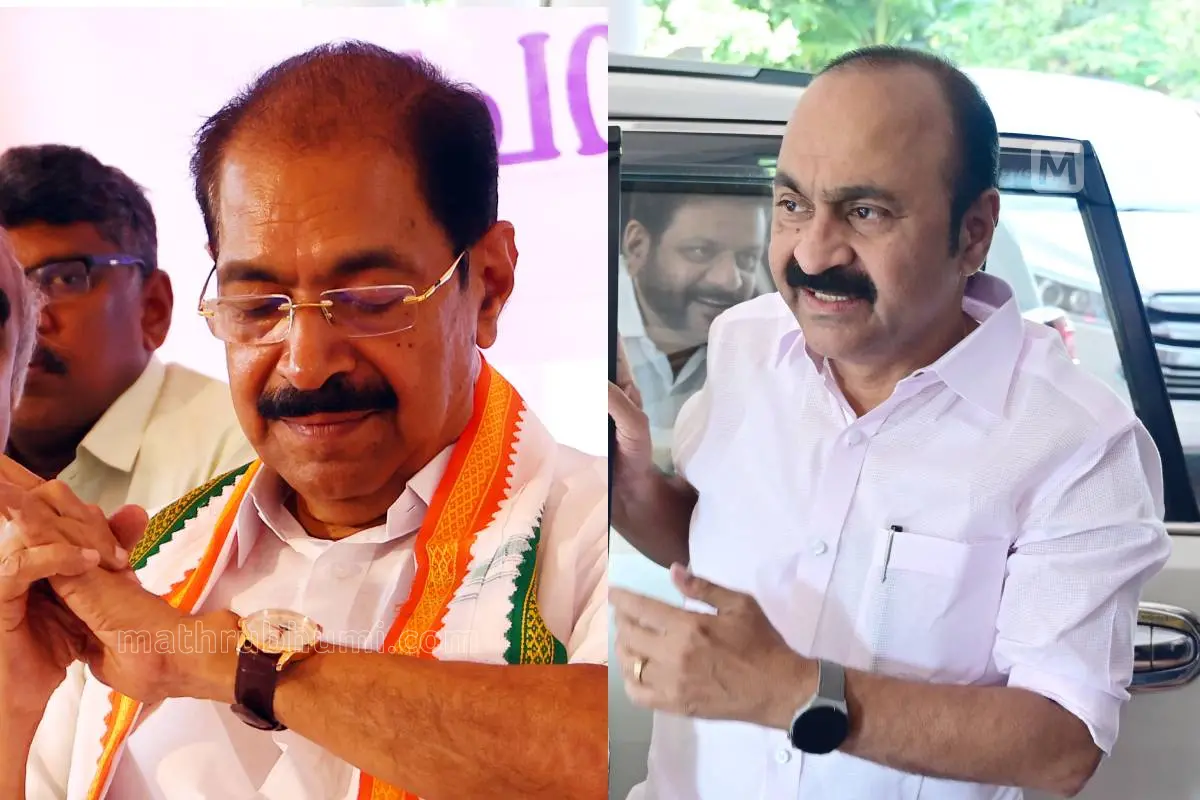
Thiruvananthapuram: Kerala Electricity Minister Sunny Joseph has said that a power purchase agreement with the private platform GNA is impractical and that the state will not enter into such a deal under the present circumstances.
The minister's statement contradicts the earlier position taken by the Chief Minister on the proposal. Although the rates offered by private agency GNA may appear attractive, the Kerala State Electricity Board (KSEB) and the minister have pointed out that the requirement to purchase electricity at the same rate during both daytime and night-time would create practical difficulties.
Sunny Joseph reiterated that the government considers electricity supplied by government agencies, such as from the state of Himachal Pradesh, more reliable than that offered by GNA. He said the decision to withdraw from the proposed agreement was based on the detailed information the KSEB had submitted to the Chief Minister.
Also read: KSEB says Kerala needs no extra power in November, December; govt reconsiders ₹8.90/unit GNA deal
The minister also rejected allegations that the KSEB had pressured him into signing the agreement by warning of a long-term threat of load-shedding. He maintained that the board had merely explained the state's actual power requirements and that this should not be construed as a pressure tactic.
Citing figures, the minister said electricity demand in Kerala was rising sharply every year. Demand has increased by 1,000 MW compared with the previous year and has more than doubled over the past decade.
However, power generation from the state's primary source, hydropower projects, has increased by only 150 MW over the same 10-year period. Since Kerala experiences its highest electricity demand mainly during night-time, the state needs more concrete plans to prevent power cuts in the coming years.
Although rooftop solar installations generate electricity during the day and feed the surplus into the grid, the unavailability of solar power at night remains a major challenge.
As a solution, the government is considering expanding battery storage projects to store solar energy generated during the day for use at night.
The minister also said ₹100 crore had been earmarked in the Budget for implementing decentralised projects with the participation of local self-government institutions and cooperative institutions. Discussions are under way on making bank loans and subsidies available for these initiatives.