Kerala ration subsidy to bank accounts: Trial rollout in 14 taluks starting March
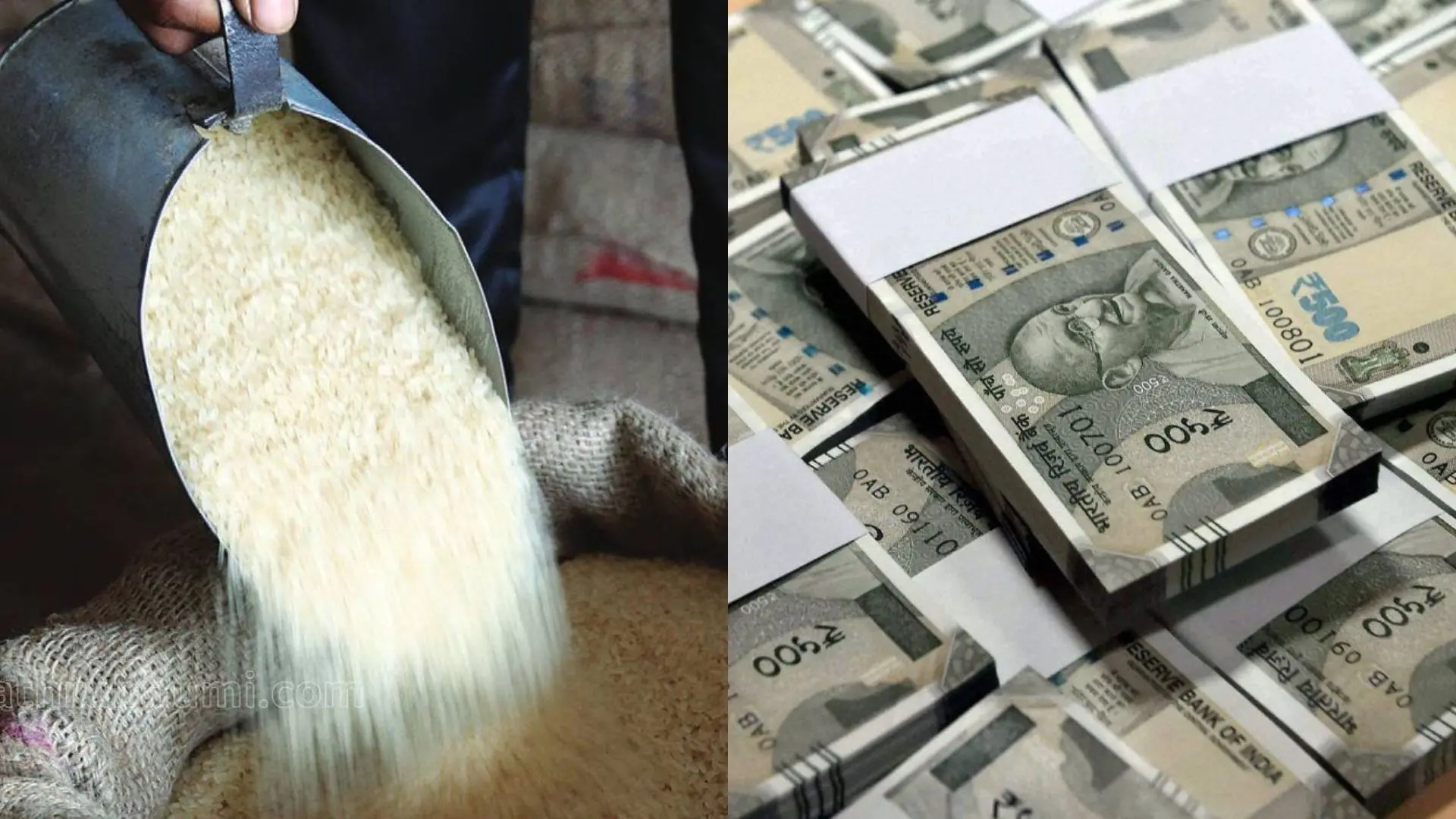
Palakkad: The state Public Distribution Department is set to introduce a new subsidy payment method by March, replacing food grains distribution with direct bank transfers (DBT) to beneficiaries. The initiative will be tested first in 14 taluks across the state.
The scheme will be rolled out on a trial basis in select taluks, including Mannarkkad, Nilambur, Kozhencherry, Chalakudy, Mananthavady, Kuttanad, Kothamangalam, Devikulam, Iritty, Manjeshwar, Pathanapuram, Kanjirappally, Thamarassery, and Nedumangad. Discussions regarding the new system have already been completed at the official level.
How new system works?
Under this system, beneficiaries will receive a fixed amount for ration items like rice directly into their bank accounts, instead of receiving food grains through the traditional public distribution system (PDS). The first phase will focus on backward class cardholders in the state.
Ration trader organisations have strongly opposed the scheme, arguing that it could negatively impact the ration system in the state. The new system is based on Central Public Distribution Guidelines, which have been implemented in several other states.
A proven model in other states
Similar DBT systems have already been adopted in states like Maharashtra, Assam, Haryana, Jharkhand, and Andhra Pradesh, as well as union territories such as Pondicherry, Dadra and Nagar Haveli, and Chandigarh. In Puducherry, for example, beneficiaries initially received Rs 22 per kilogram of rice and Rs 16 per kilogram of wheat. The DBT system has also been implemented successfully in the cooking gas distribution sector.
The government estimates that it costs Rs 99.70 to deliver just one kilogram of rice to beneficiaries under the current public distribution system.