Kerala to end KSEB monopoly? Govt to open power transmission sector to private players
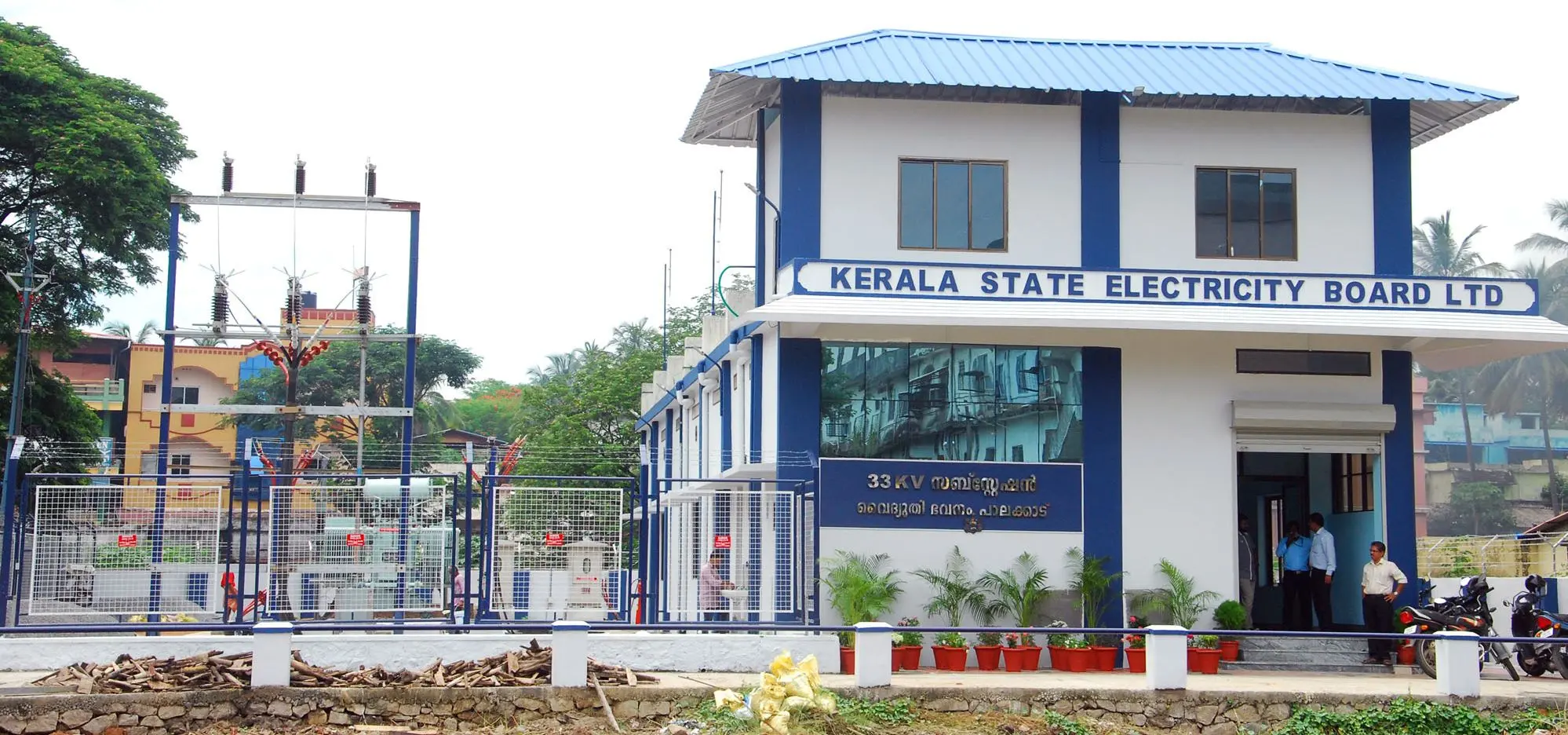
Kochi: In a landmark shift to the state’s power sector, the Kerala government is set to hand over the development of new electricity transmission networks to private players this New Year. The Rural Electrification Corporation (REC), a central public sector undertaking, is expected to invite tenders for these projects shortly.
This policy change follows a directive from the Central Government, which makes private sector participation a condition for increasing the state’s borrowing limit. The decision has been formalised despite huge opposition from various quarters, including several left-leaning organisations.
Ending the KSEB Monopoly
The move marks the end of the Kerala State Electricity Board’s (KSEB) long-standing monopoly over the state’s transmission infrastructure. Under the new framework, all future large-scale transmission networks and substations will be developed through this private-partnership model.
With Kerala's electricity demand rising by 10% annually, the Centre has mandated that projects exceeding Rs 250 crore must be implemented via Tariff-Based Competitive Bidding (TBCB).
The TBCB Model Explained
Under the TBCB system, private companies will compete to provide the lowest quote for the cost per unit of electricity transmitted through their newly established lines. Key features of the contract include:
Self-Funding: Private firms must secure their own project financing and acquire the necessary land.
35-Year Lease: Successful bidders will be granted operational rights for 35 years.
Transfer of Assets: Following the expiry of the contract, the entire network must be handed back to the state government.
Fiscal Incentives and Regulatory Approval
The state government accepted these terms primarily to unlock an additional 0.5% increase in its borrowing limit. A core condition of this fiscal relaxation is that at least 50% of all new transmission construction must be conducted through the TBCB method. The State Electricity Regulatory Commission has already issued the necessary orders to facilitate this transition.
Initial Projects
In the first phase of implementation, the following high-capacity projects will be tendered:
The 30km 220/110 KV line connecting Aluva, Edayar, and North Paravoor.
The 220 KV Gas Insulated Substation at Iringalakkuda.
The 40km 220/110 KV line between Iringalakkuda and Kunnamkulam.